
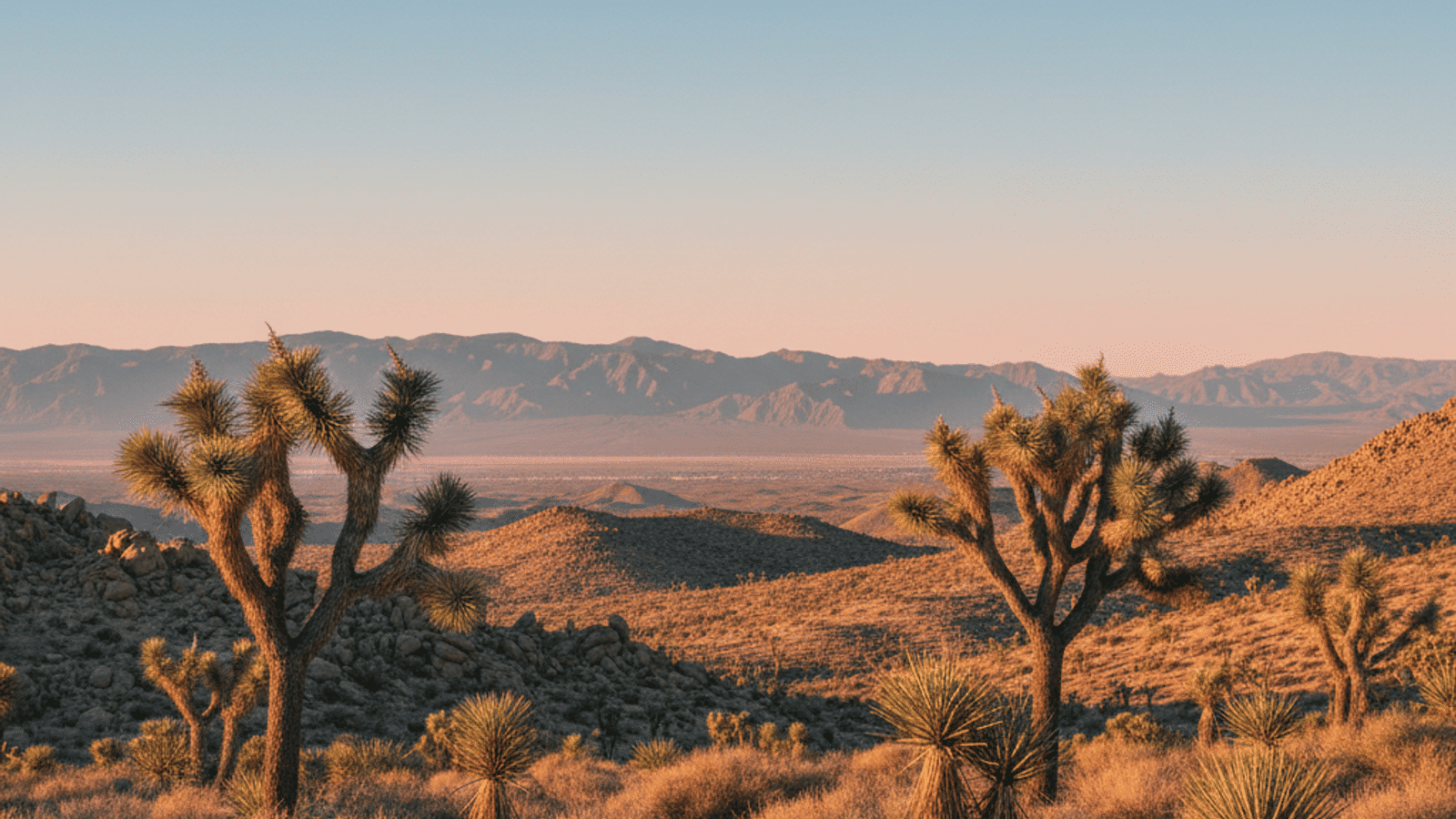
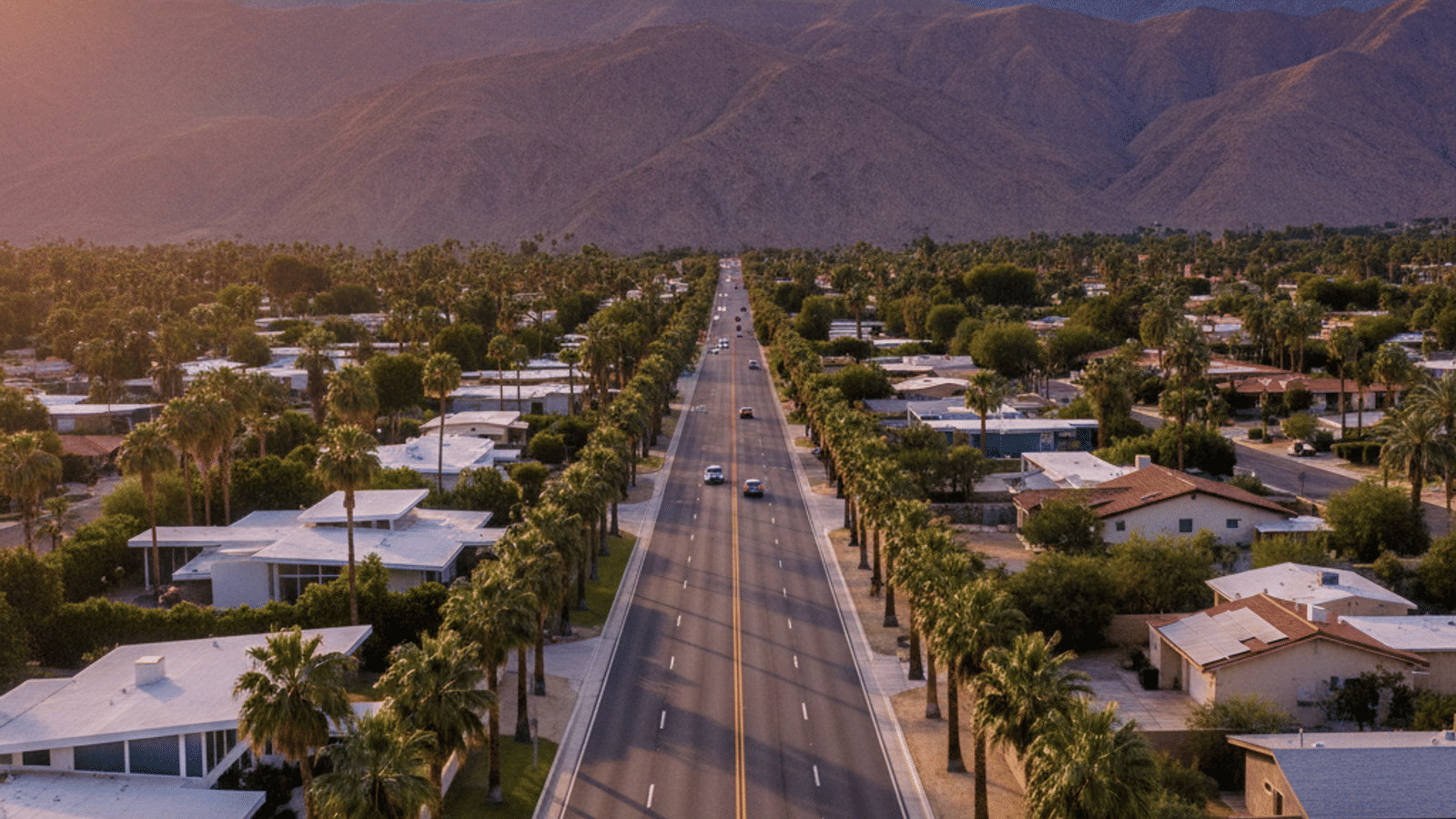
If you are driving east along Highway 111, you might miss the exact moment you cross the border from Palm Springs into Cathedral City. The palm trees are still swaying, and the mountains still loom large to the west. But for anyone looking to buy a home, invest, or sign a lease, crossing that city line changes everything from the price tag to the lifestyle.
Palm Springs and Cathedral City — or "Cat City" as locals fondly call it — are neighbors with distinct personalities. Palm Springs is the world-famous brand. It is the retro-chic resort destination where Hollywood history meets mid-century modern obsession. Cathedral City, on the other hand, is the approachable, community-focused hub that keeps the valley running.
Choosing between living in Palm Springs or Cathedral City usually comes down to three things: your budget, the vibe you want when you wake up in the morning, and — if you are an investor — the very different rules on short-term rentals. Let’s break down the real numbers and local nuances so you can decide which patch of desert is right for you.
Lifestyle & Atmosphere: Resort Glamour vs. Local Community
The biggest difference between these two cities isn’t just the price of a home; it is who your neighbors are and what the energy feels like on a Tuesday night.
Palm Springs feels like a perpetual vacation. The energy here is driven by tourism, architecture enthusiasts, and a vibrant social- and Palm Springs school scene. Downtown is walkable and packed with people every weekend. It is an LGBTQ+ hub with a calendar full of film festivals, modernism weeks, and pool parties. The median age here hovers around 54, reflecting a population of retirees,
second-home owners, and established professionals who prioritize leisure. If you want to walk to a high-end brunch or browse vintage boutiques on your morning stroll, this is the spot.
Cathedral City offers a shift in gears. It feels more "lived in" and grounded. With a median age closer to 37, the demographic skews younger and includes more full-time working residents than its western neighbor. It isn't just a bedroom community, though. Cat City has developed its own cultural identity, particularly with the emerging Perez Art District, which hosts art walks and festivals that feel authentic and gritty in a good way.
When the sun goes down, the split becomes even clearer. Palm Springs wins for clubs, cabaret, and bustling bars. Cathedral City offers quieter evenings, mostly centered around local dining spots, the casino, or movie theaters. It is less about being seen and more about hanging out.
Cost of Living & Housing Market Comparison
For many buyers, the conversation starts and ends with the price per square foot. There is a "brand tax" associated with the Palm Springs zip code, and understanding that premium is key to your search.
- Housing Prices: Palm Springs commands a premium that is often 25% to 30% higher than Cathedral City. You are paying for the international recognition, the historic architectural stock, and the proximity to the downtown strip. The median home price in Palm Springs generally ranges between $630,000 and $690,000. In this bracket, you are often looking at smaller condos or older homes that might need updates. Cathedral City is the value leader in the west valley. The median home price sits between $460,000 and $475,000. For buyers priced out of Palm Springs neighborhoods, Cat City is often the answer. You can usually get a newer home with more square footage, a bigger lot, and a two-car garage for significantly less than a fixer-upper in Palm Springs.
- Taxes and Monthly Costs: It isn't just the mortgage that differs. Sales tax is slightly higher in Palm Springs (9.25%) compared to Cathedral City (8.75%). When looking at property taxes, the base rate is roughly 1.25% in both areas, but you need to watch out for Mello-Roos. These are special tax assessments used to fund infrastructure in newer developments. You will find these more often in the newer subdivisions of Cathedral City than in the established neighborhoods of Palm Springs.
- Utilities: Both cities face the reality of desert summers. Cooling a home in July and August is expensive regardless of your zip code. Most of both cities are served by Southern California Edison (SCE), so rates are comparable. However, because Cathedral City homes are often newer, they may have better insulation and modern HVAC systems compared to a 1950s uninsulated mid-century home in Palm Springs, which can impact your monthly housing expenses.
Investment Insight: Short-Term Rental Regulations
If you are planning to buy a property to list on Airbnb or VRBO, pay close attention. This is the single sharpest divide between the two cities.
Cathedral City has taken a hard stance. As of 2023, short-term rentals (STRs) have been effectively phased out in traditional residential neighborhoods. You generally cannot buy a single-family home in a standard neighborhood here and rent it out for less than 30 days. STRs are primarily restricted to "Resort Residential" zones or specific HOAs that explicitly permit them. If your investment model relies on weekend vacation income, most of Cathedral City is a no-go zone.
Palm Springs allows short-term rentals, but it is heavily regulated. You need a permit, and there is a distinction between "Junior" permits and "Estate" permits. The city enforces strict noise, parking, and safety rules, and there is a cap on the number of rental contracts a property can have per year. Some neighborhoods also have a density cap because of the vibrant job market in Palm Springs (a maximum percentage of homes that can be rentals), so you must verify the specific status of any home before making an offer.
The takeaway is straightforward: Investors looking for traditional vacation rentals usually stick to Palm Springs despite the higher entry price and saturation. Cathedral City works better for long-term buy-and-hold rentals or seasonal leases (30+ days), which are not subject to the STR ban.
Home Styles & Neighborhoods
Architecture in the desert is more than just aesthetics; it is a lifestyle statement.
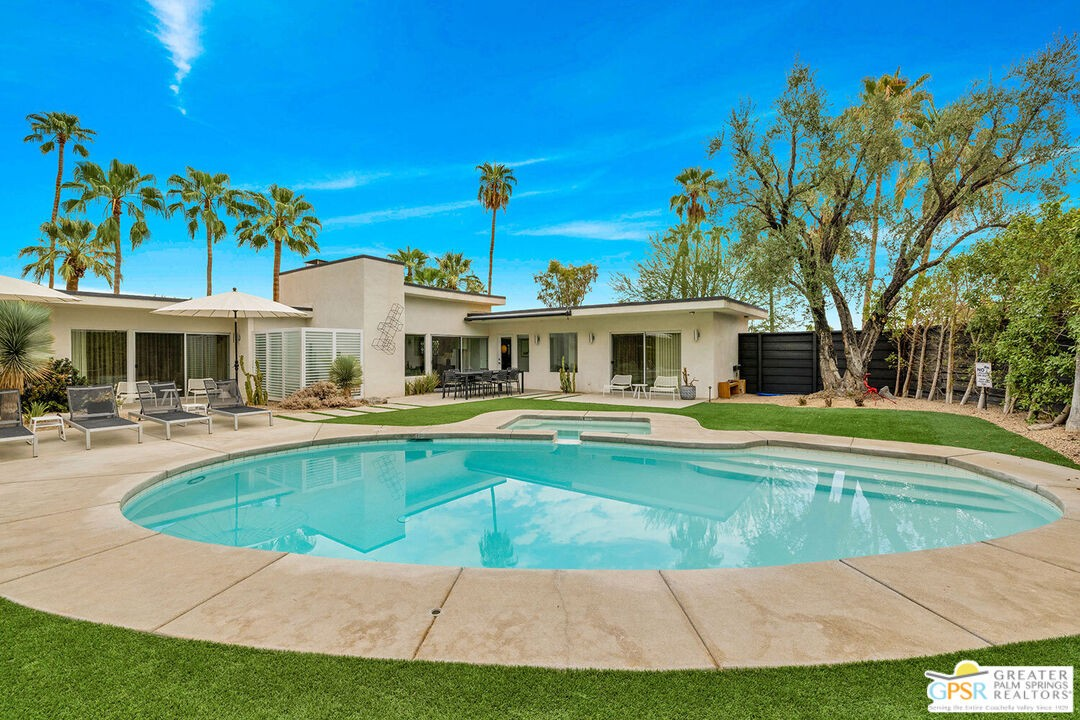
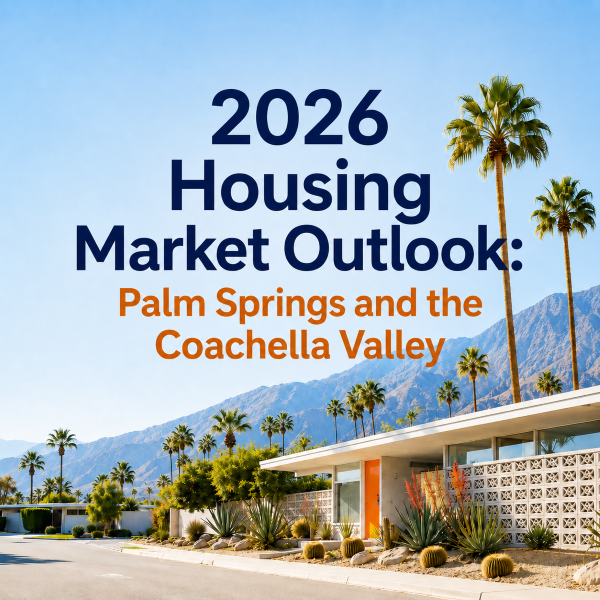
Palm Springs is the undisputed capital of Mid-Century Modern design. If you dream of an Alexander or Wexler home with a butterfly roof and walls of glass, this is where you look. You will also find plenty of Spanish Colonial Revival estates in the "Movie Colony" areas and an abundance of luxury condos. The housing stock here has character, history, and often, historic preservation restrictions.
Cathedral City is much more diverse architecturally. While it doesn't have the same density of famous architecture, it does have pockets of mid-century charm, particularly in the Cathedral City Cove. However, the bulk of the housing inventory consists of 1980s to 2000s ranch-style homes and stucco suburban tracts. These homes are practical, offering open floor plans and tile roofs that hold up well in the sun.
The "Cove" Factor Both cities share a unique geographical feature: a "Cove."
- The Palm Springs Mesa/Cove: Tucked against the mountains in the south, offering wind protection and eclectic homes.
- The Cathedral City Cove: Located just down the road, this area sits high up into the hills. It is an artistic, non-gated eclectic neighborhood that offers some of the best views in the valley for a fraction of the price of similar terrain in Palm Springs.
Climate & The "Wind Tunnel" Factor
Outsiders often assume the weather is the same across the entire Coachella Valley. If you move to Palm Springs, you’ll know better. The wind is a major factor in real estate decisions here.
The San Gorgonio Pass acts as a funnel, blasting cool coastal air into the hot desert valley. This creates a natural "wind tunnel" that hits specific areas harder than others.
- High Wind Areas: North Palm Springs (generally north of Vista Chino) and the northern parts of Cathedral City (near the I-10 freeway) experience the strongest gusts. In the spring, wind speeds can be high enough to toss patio furniture into the pool and sandblast your car.
- Protected Areas: South Palm Springs and the Cathedral City Cove are tucked into the base of the San Jacinto Mountains. These mountains act as a massive windbreak. You can be enjoying a calm, candlelit dinner outside in the Cove while it is blowing 40 mph just three miles north.
If you are sensitive to wind or want to use your pool every afternoon in April and May, location within the city matters just as much as which city you choose.
Shopping, Dining & Convenience
Daily life is about logistics, and is influenced by the cost of living in Palm Springs or Cathedral City. Where do you get groceries, and where do you go for a special dinner?
- Palm Springs excels at boutique experiences. Palm Canyon Drive is lined with high-end restaurants, art galleries, and souvenir shops. It is fantastic for leisure but can be lacking in "big box" convenience. Residents often find themselves driving east to run errands.
- Cathedral City is the practical engine of the area. It is home to the row of car dealerships on Highway 111, major home improvement stores, and everyday shopping staples like Target and Trader Joe's (located on the border). It also hosts the Agua Caliente Casino Cathedral City, which anchors a growing entertainment district.
For commuters, Cathedral City is often more convenient. Its central location means you are roughly equidistant from the fun of Palm Springs and the upscale shopping of Palm Desert. If you work in Rancho Mirage or further east, living in Cat City shaves valuable time off your daily drive compared to living in North Palm Springs.
Verdict: Which City Suits You?
Deciding between these two comes down to matching the city to your lifestyle goals.
Choose Palm Springs if:
- You want a walkable lifestyle and easy access to nightlife and restaurants.
- You are an architectural purist who loves the Mid-Century aesthetic.
- Nightlife and a vibrant social scene are high priorities
- You plan to offset your mortgage with short-term vacation rental income and are willing to navigate the permit process.
Choose Cathedral City if:
- You want to maximize your purchasing power and get more square footage for your money.
- You prefer a quieter, residential atmosphere with a "local" community feel.
- You are looking for a long-term rental investment or a seasonal home without the tourist traffic.
- You want a central location that makes commuting to the rest of the valley easier.
Frequently Asked Questions
Is Cathedral City cheaper than Palm Springs?
Yes, typically. Cathedral City is often considered the value option in the west valley. You can expect median home prices to be roughly $150,000 to $200,000 less than comparable properties in Palm Springs, offering more square footage for your dollar.
Does Cathedral City have a downtown?
Cathedral City has a civic center area featuring the fountain of life, the Mary Pickford Theatre, and the casino, but it does not have a traditional walkable "Main Street" strip like Palm Canyon Drive in Palm Springs. It is designed more around plaza-style commercial centers and the new Arts District.
Can you do Airbnb in Cathedral City?
Generally, no. Cathedral City has banned short-term rentals (less than 30 days) in most residential zones to preserve neighborhood character. STRs are mostly limited to specific "Resort Residential" zones or HOAs that are exempt, making it much more restrictive than Palm Springs.
Is it windy in Cathedral City?
Yes, parts of the city are very windy. The northern section near Interstate 10 sits directly in the wind tunnel and experiences strong gusts, especially in spring. However, the "Cove" area in the south is protected by the mountains and stays significantly calmer.