

The Rise of Modernism Week in Palm Springs
How a “niche” obsession became the desert's biggest season—and how real estate, steel houses, and open house flyers helped light the fuse
If you’ve been in Palm Springs long enough, you start to recognize a familiar pattern: Big cultural moments here rarely arrive fully formed. They begin quietly, almost shyly, with a handful of people who care deeply about something most others overlook. This is precisely how the modernism movement in Palm Springs developed, leading to the establishment of Modernism Week. I was fortunate to be here as it unfolded. What started as a niche fascination with “those old houses” slowly became a defining part of the city’s identity, reshaping how we see our neighborhoods, our architecture, and even ourselves. This piece is both a personal reflection and a Lost Palm Springs story—my perspective on how modernism in Palm Springs grew from an underappreciated curiosity into a global obsession, and what we may have lost, gained, and learned along the way. Today, Modernism Week is a sprawling eleven-day celebration, a major cultural highlight of the Palm Springs calendar. However, it didn't start off like this.
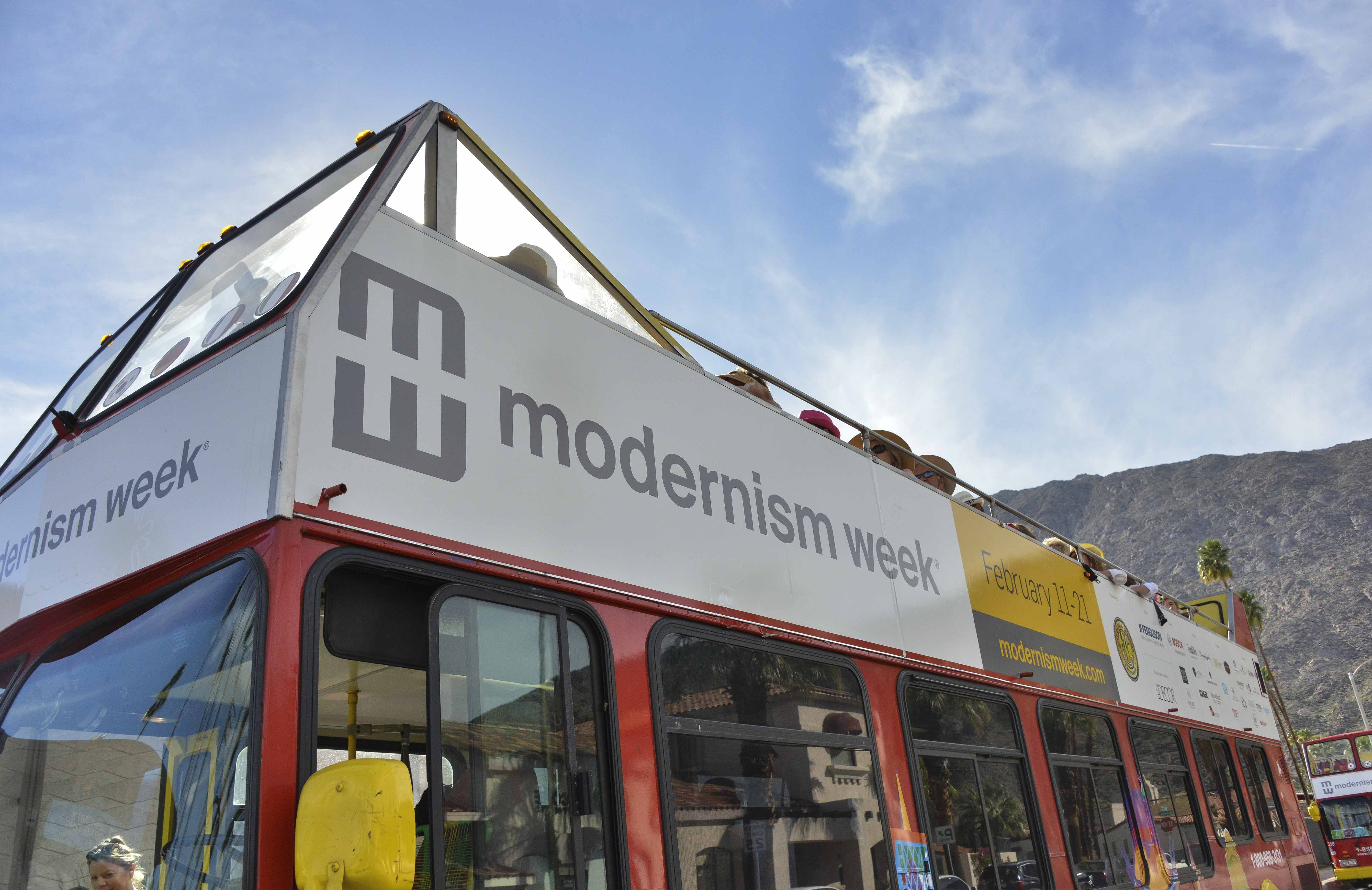
It began, as so many Palm Springs tales do, with a whisper. A small group of passionate enthusiasts, a convention center brimming with stunning midcentury design, and a dawning awareness: the structures that had sprung up in the 1950s and '60s weren't just relics; they were significant. I consider myself quite lucky. I got to see that change unfold, right from the start, and perhaps had a bit of a hand in it. Flash forward, the city and the world have embraced Palm Springs architecture and the importance of preserving its history.
The Pause That Preserved Palm Springs
After Palm Springs’ golden era as Hollywood’s playground in the 1930s and ’40s—and a burst of postwar growth—the city hit a long lull. By the 1980s, residents and businesses had moved on, storefronts sat empty, and downtown leaned more toward souvenir shops than significance. Ironically, the slowdown turned into a blessing, as the lack of new development prevented the demolition of many midcentury homes. By the late 1990s, national publications like The New Yorker and Vanity Fair were taking notice, spotlighting preservation efforts and iconic works such as the Kaufmann Desert House, and celebrating architects including Richard Neutra, John Lautner, Albert Frey, Hugh Kaptur, William Krisel, Donald Wexler, and E. Stewart Williams.
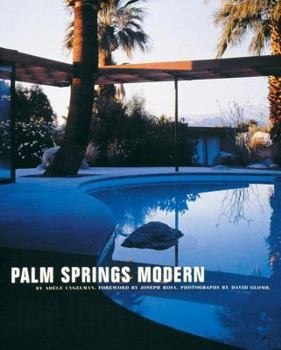
Additionally, Palm Springs Modern: Houses in the California Desert—the seminal book that helped put Palm Springs’ midcentury architecture on the map—was authored by Adele Cygelman and published by Rizzoli International Publications in 1999.Palm Springs Modern was one of the first comprehensive books dedicated to the city’s modern architectural heritage, also showcasing iconic homes by architects like Richard Neutra, Albert Frey, John Lautner, and others, accompanied by rich photography and contextual storytelling.
The book arrived at a pivotal moment—as Palm Springs was emerging from a period of stagnation and its midcentury homes were still largely underappreciated. Its publication helped spark wider interest in Desert Modernism, giving both enthusiasts and newcomers a beautifully illustrated roadmap to the architectural treasures scattered throughout the city.
Palm Springs Weekend: The Architecture and Design of a Midcentury Oasis (2001), written by Alan Hess and Andrew Danish, additionally played a pivotal role in the renaissance of Palm Springs modernism by legitimizing it for a broader audience at exactly the right moment.
Arriving as the city was emerging from years of underappreciation, the book reframed Palm Springs not as a quirky resort town with stylish houses, but as a cohesive, internationally significant modernist landscape. Hess’s clear, authoritative analysis placed local architects and neighborhoods within the larger modern movement, while Danish’s photography showed the architecture as lived-in, sunlit, and distinctly of the desert—modernism with place and purpose.
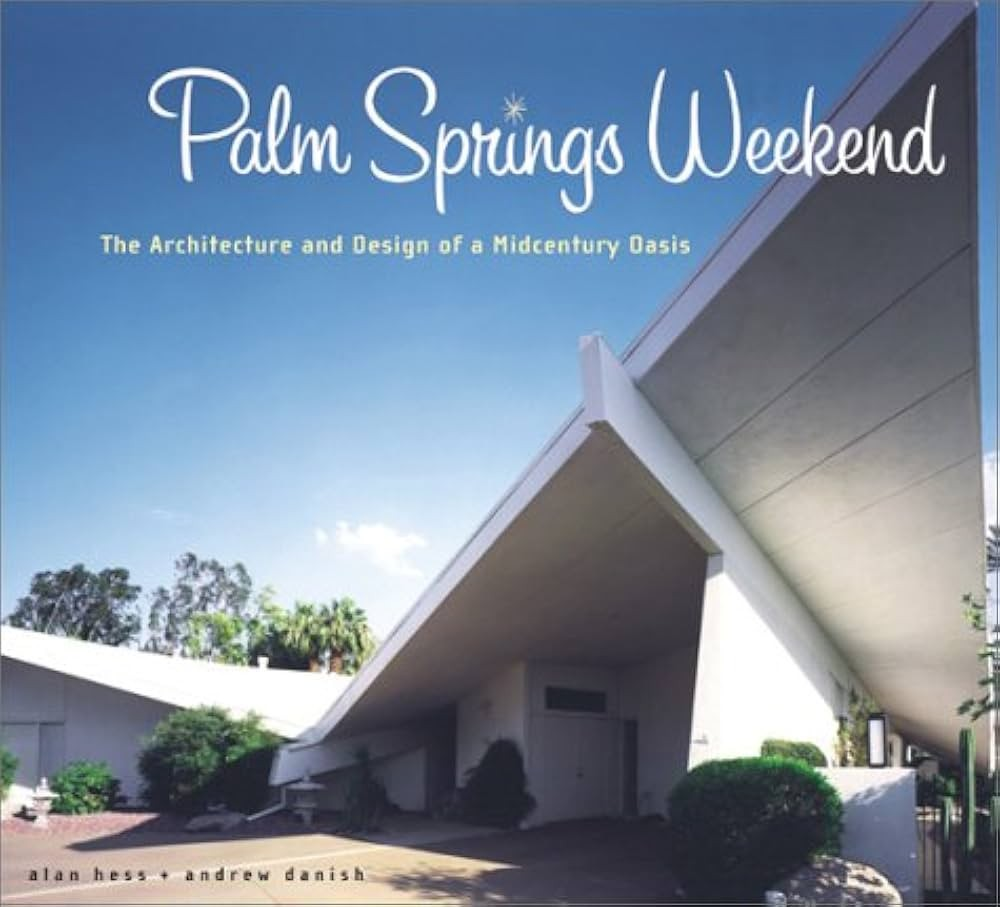
Crucially, the book spoke to both insiders and newcomers. For locals, it validated what many had begun to suspect: that the architecture surrounding them was culturally important and worth preserving. For outsiders—design lovers, collectors, and potential homeowners—it served as an accessible gateway, encouraging architectural tourism and deepening interest in owning and restoring midcentury homes.
By making Palm Springs modernism understandable, aspirational, and publishably “serious,” Palm Springs Weekend helped shift perception from novelty to heritage. Alongside other early books, tours, and grassroots advocacy, it contributed to the momentum that fueled preservation efforts, real estate interest, and ultimately the rise of Modernism Week—cementing Palm Springs’ identity as a modernist capital rather than a forgotten footnote.
Among those paying attention was Jacques Caussin, a French-born dealer and producer of the Miami Modernism Show. By the end of the ’90s, ready for a change and drawn by Palm Springs’ underappreciated modernist legacy, Caussin partnered with Robert Smith and Rosemary Krieger of Dolphin Promotions and launched the Palm Springs Modernism Show and Sale—an early precursor that helped set the stage for what would eventually become Modernism Week. (Palm Springs Life)
The GQ Steel House moment: Jim Moore and the fashion-world spotlight
Here’s where the story gets very Palm Springs: a style figure falls in love with a modernist house, and suddenly a whole new audience pays attention.
Jim Moore, longtime creative director at GQ, bought one of Donald Wexler’s iconic 1962 steel houses (part of the U.S. Steel “House of Tomorrow” experiment) back in 1993—and people noticed. Architectural Digest later profiled Moore’s steel house and his long relationship with it, cementing it as both design icon and cultural magnet. (Architectural Digest) His steel house helped flip the switch.
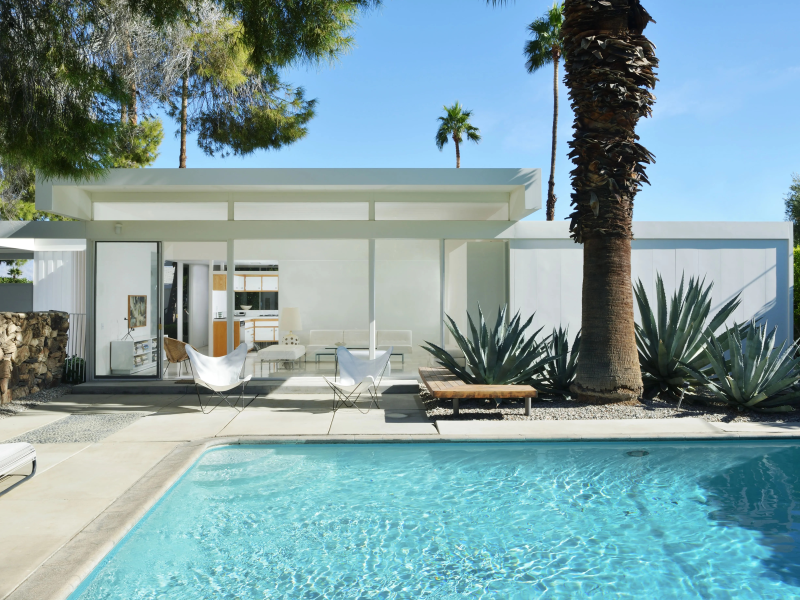
Palm Springs Life has also pointed to Moore’s purchase as a real inflection point—his involvement helped put Wexler’s steel houses (and Palm Springs modernism more broadly) on the radar of the fashion/design world. (Palm Springs Life)
These homes—designed as part of a U.S. Steel “House of Tomorrow” program—were radical, industrial, and deeply misunderstood for decades. Moore didn’t just buy one; he lived in it, loved it, and later saw it featured in national design publications, including Architectural Digest.
Palm Springs Life has since pointed to Moore’s purchase as a real inflection point. When a tastemaker shaping the visual language of men’s fashion embraced a steel house in the desert, Palm Springs modernism quietly shifted from local curiosity to global taste.
In other words, Palm Springs modernism stopped being just “local history” and started becoming “global taste.”Photography by Daniel Chavkin , featured in Architectural Digest
Before Modernism Week even existed, there was the Modernism Show, and the excitement was already building.The Palm Springs Modernism Show & Sale , debuting on President’s Day weekend in 2001, ignited a significant interest. The desert community's instant and robust appetite for 20th-century design surprised the event's organizers. (Palm Springs Life). That same year, Robert Imber started his Palm Springs Modern Tours, introducing people the the riches of Palm Springs midcentury architecture (See sidebar below)The Modernism Show and Sale drew in dealers, collectors, and design aficionados alike, all converging to browse furniture, lighting, art, and assorted artifacts. The show proved very popular and attracted huge crowds.When people showed up, however, for many it was an introduction to Palm Springs. And their intentions went beyond mere shopping. They surveyed Palm Springs, and the issue that naturally arose was:Hold on. How did this place even get here? And what's the secret to getting beyond those doors of the midcentury architecture we see all over town?”Where others faltered, personally, I saw the true desire of those who came to see us, and I embraced it.
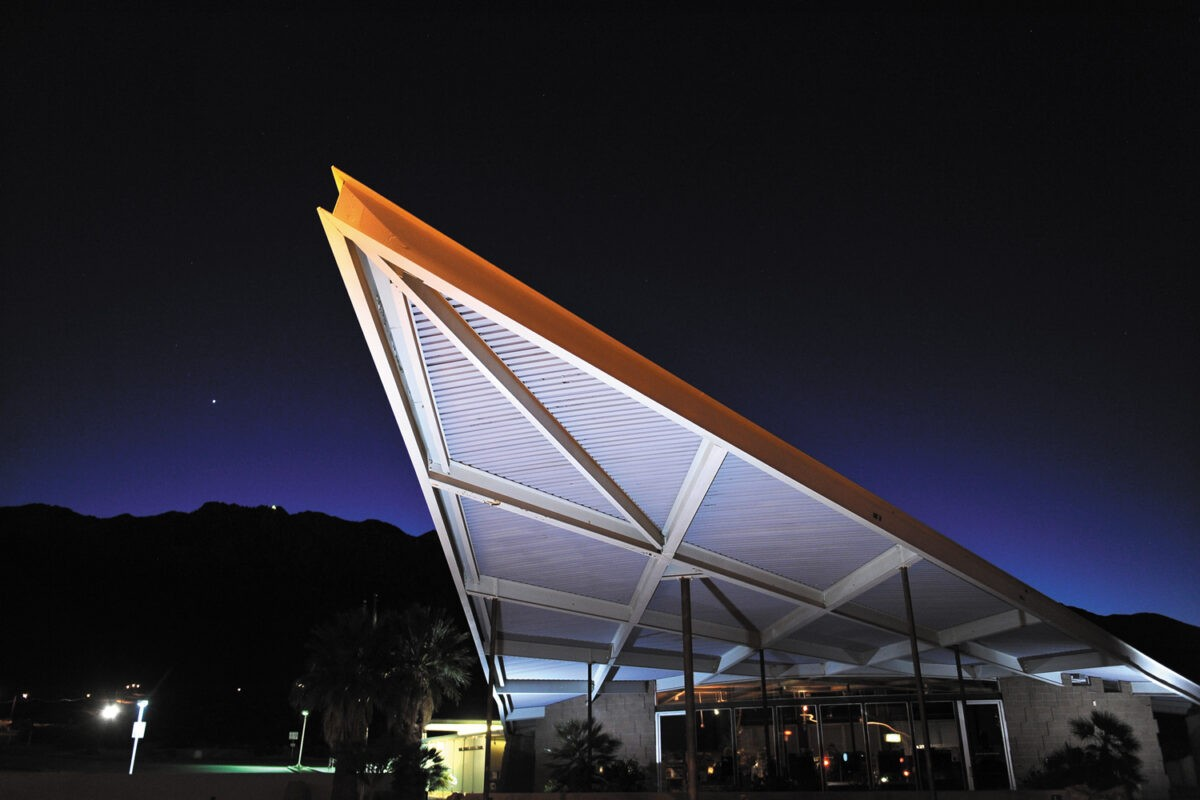
Palm Springs Visitors Center, built in 1965Credit: (Photo by Wally Skalij/Los Angeles Times via Getty Images)
Often Forgotten: When Palm Springs Didn’t Yet Love Midcentury Architecture
In the early 2000s, appreciating midcentury modern architecture in Palm Springs was far from mainstream—especially in real estate. Flat roofs were seen as unattractive, breeze blocks as dated, and sloped ceilings as impractical. Many agents steered buyers toward Spanish-style homes and away from anything that looked too “modern.”
From my own experience, when I first decided to relocate to Palm Springs and go into the real estate biz , I fell hard for places like The Desert Holly , a modest midcentury condo complex on Tahquitz Canyon Road. It had everything critics warned against—and everything I loved. A two-bedroom unit was listed for $92,000, but after being told repeatedly that “no one likes those houses,” I passed. (I still regret that decision to this day!)
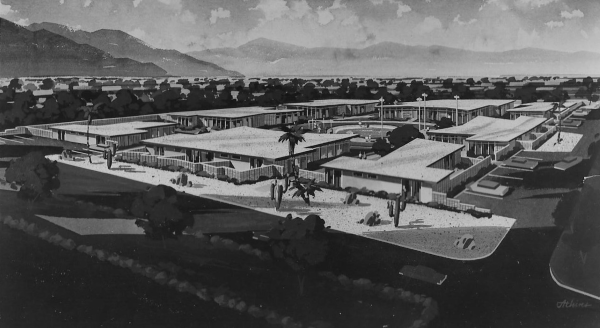
The Desert Holly, Palm Springs
As I explored further, I found neighborhoods like Racquet Club Estates and El Rancho Vista Estates —then neglected and dismissed, with some homes selling for less than $100,000—just as captivating. Other real estate agents warned me to stay away, and I even heard comments suggesting midcentury homes were worth more as tear-downs than as architecture. Over the years, with the decline in interest in mid-century architecture, many owners tried to disguise their modern homes with arches and tile roofs—what I jokingly called “Taco Bell Midcentury.”
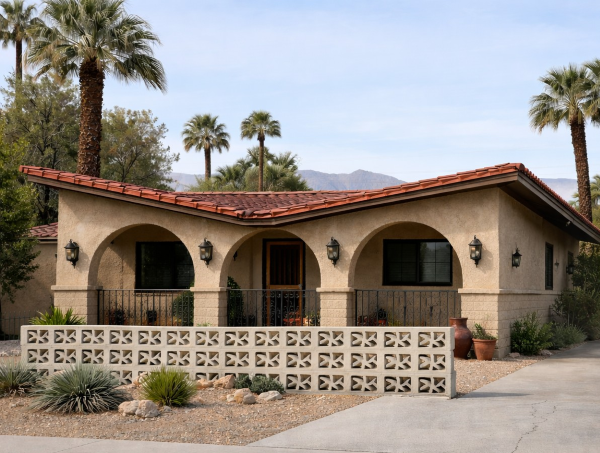
An example of Taco Bell Midcentury renovations
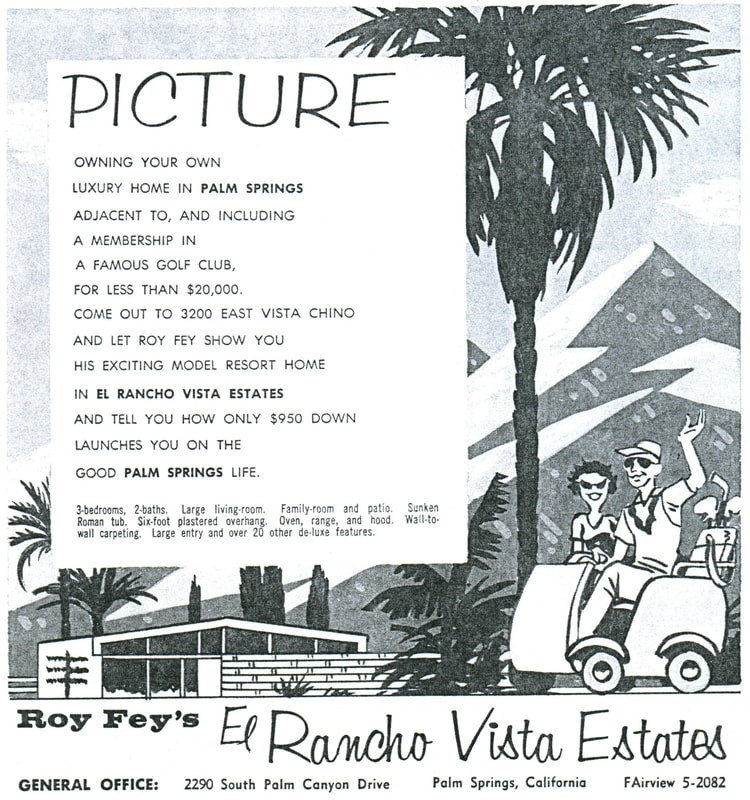
El Rancho Vista Estates- Original Brochure
Still, I trusted my instincts. I believed this architecture wasn’t a problem—it was an overlooked asset. As interest grew, I built The Paul Kaplan Group around that belief, training agents who shared an appreciation for design, history, and architecture. Long before midcentury modern became Palm Springs’ calling card, I was already committed to it—not as a trend, but as a specialty worth betting on.
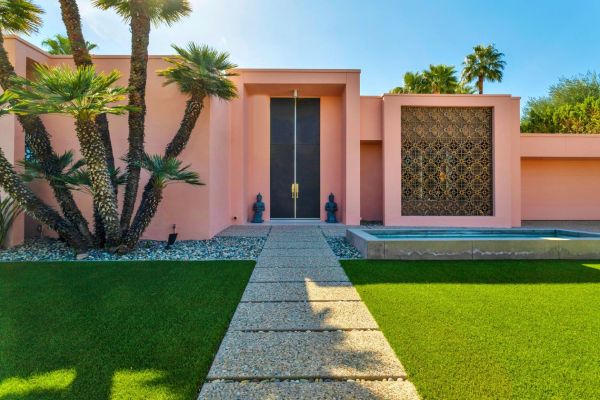
Midcentury Homes designed by Albert Frey and Robson Chambers, 1964, renovated by Bill Stewart (Sold by the Paul Kaplan Group)
Realtor Open Houses started to introduce mid-century architecture to the fans
As an early aficionado of midcentury design, it quickly became clear to me that having a booth showcasing local real estate at the Modernism Show & Sale was essential—something I did from the very beginning. I remember those early shows vividly and the conversations I kept having with midcentury fans. They were all asking some version of the same question: How do I make this place my own? How do I become part of the retro lifestyle? They loved the furniture and objects on display, but what they also dreamed of was owning a vintage midcentury home of their own to put it all in.
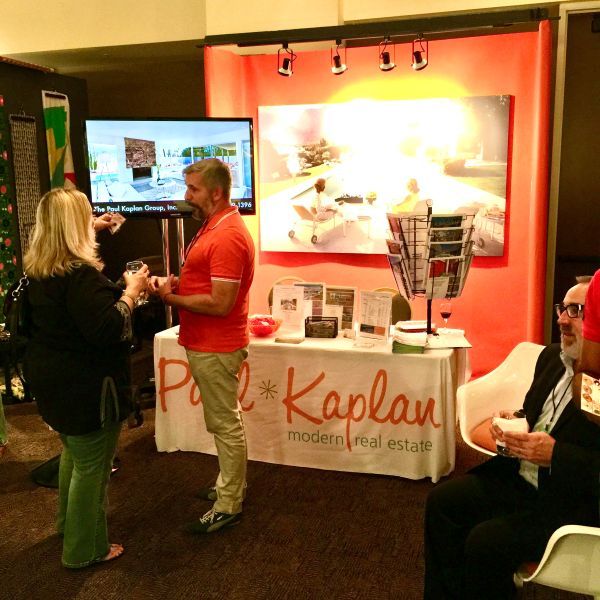
The Paul Kaplan Booth at the Modernism Show and Sale - 2015
Working with other local agents, I helped organize informal midcentury open house tours across Palm Springs. I collected schedules, printed simple lists, and handed them out at the Modernism Show and Sale. People would seek my booth asking, “Do you have the open house list?”
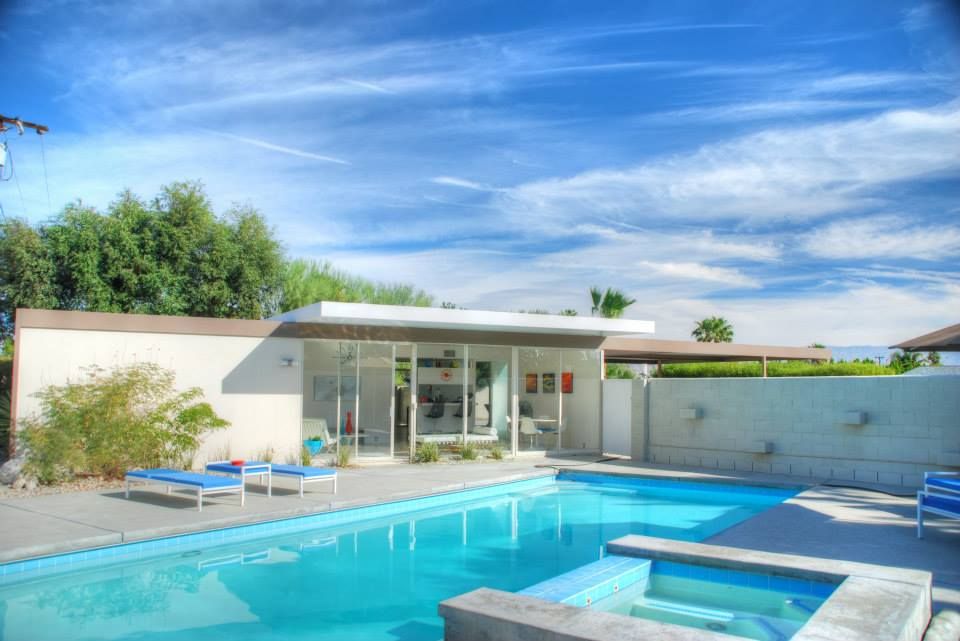
Steel Home designed by Donald Wexler, Sold by the Paul Kaplan Group
This period was before ticketed tours, wristbands, tightly packed schedules, and sold-out events. Before Modernism Week became what it is today, open houses were the only way to experience the residential architecture firsthand.
During those early Modernism Show weekends, hundreds of visitors spilled into real Palm Springs neighborhoods with their open house schedules in hand. Cars lined the streets as people wandered through post-and-beam living rooms, beneath floating rooflines, drifting from kitchens to patios and pools. It felt like a spontaneous revival of the original midcentury home tours—happening organically, decades after Palm Springs’ first modern boom.
Those early open houses weren’t really about selling homes. They revealed something much larger: people wanted more than vintage furniture and beautiful objects—they wanted to experience midcentury architecture as it was meant to be lived in. That marked the pivotal moment. The Modernism Show & Sale didn’t just create a marketplace for design; it sparked architectural tourism and launched a real estate boom in Palm Springs. Visitors came for the objects but stayed for the houses, the neighborhoods, and the Palm Springs lifestyle that wrapped it all together.
Modernism Weekend: a "small but mighty" debut.
By 2006, it was obvious the demand had outgrown a single weekend. That year, a compact three-day event known as Modernism Weekend emerged. It was intentionally small and tightly focused—guided tours, a handful of lectures, and a few gatherings for people who genuinely cared about midcentury design. As Phoenix Home & Garden later described it, this was Modernism as a scene: intimate, informed, and a little secret—like stumbling into a club where everyone shared a deep affection for carports.
At the same time, a structural shift was happening. The Palm Springs Modernism Show & Sale anchored President’s Day weekend, while the Palm Springs Art Museum—through its Architecture & Design Council—scheduled a symposium the following weekend. The same design-savvy audience showed up for both. The solution was obvious: give people a reason to stay. According to Palm Springs Life, programming was added in 2006 to bridge the gap between those weekends. William Kopelk, the chairman of the board for Modernism Week, stated: "We knew people were coming to town for the two weekends. As it got more popular, we realized there was an audience that was staying the whole week. Stewart Weiner, former vice president, Palm Springs Preservation Foundation (1998–2006) , who was vice president of the Palm Springs Preservation Foundation , and I got together and said, “Why don’t we create something to keep all these like-minded people in town for the five days between the two events?”" A volunteer steering committee formed in 2005, and the inaugural event—about six tours and talks with roughly 300 attendees—was modest, grassroots, and volunteer-powered. And once it worked, it grew—quickly. And just like that, Modernism Week was born. (Palm Springs Life).
PS ModCom—The Committee That Helped Save Modern Palm Springs
The Palm Springs Modernism Committee, commonly known as PS ModCom, was formed in 1999 at a critical moment when Palm Springs’ midcentury architecture faced growing threats from demolition, neglect, and insensitive remodeling. The immediate catalyst was the proposed demolition of Fire Station No. 1, a modernist civic landmark whose potential loss galvanized a small but passionate group of preservation advocates into action. Their successful effort to save and designate the building helped ignite a broader conversation about the value of modern architecture in Palm Springs.
Early leadership included Peter Moruzzi, who served as PS ModCom’s first president, along with a fluid group of founding members drawn from the city’s design, preservation, retail, and creative communities. Among those involved in PS ModCom’s formative years were JR Roberts, Trina Turk, and Jacques Caussin, whose work and advocacy helped bridge historic preservation with contemporary design, fashion, and lifestyle culture. Early meetings were informal—often held in shops, studios, homes, and notably at ModernWay , Courtney Newman’s furnishings store—yet the mission was clear and focused: educate the public, advocate for preservation, and reframe midcentury modern architecture as a cultural asset rather than an expendable relic.
When Modernism Week began to take shape in 2005–2006, PS ModCom did not act alone. The initial steering committee was a coalition of local organizations, including representatives from the Palm Springs Modernism Show & Sale, the Palm Springs Preservation Foundation, PS ModCom, the Palm Springs Historical Society, and the Palm Springs Art Museum’s Architecture & Design Council. Together, these groups laid the groundwork for the first Modernism Week held in February 2006.
In short, PS ModCom didn’t single-handedly create Modernism Week—but its early leadership, advocacy, and grassroots efforts were instrumental in bringing midcentury modern preservation into the public consciousness. That work helped spark the broader modernism renaissance in Palm Springs and set the stage for one of the city’s most influential cultural movements.
Founding & Early Years (1999)
- Origin: PS ModCom began with a meeting at ModernWay, focused on stopping the demolition of Albert Frey's 1955 Fire Station #1 for a parking garage.
- First Victory: The group succeeded, leading to the station's designation as a Class One Historic Site, with Peter Moruzzi becoming its first president.
Mission & Activities
- Preservation: Advocates for threatened buildings, promotes adaptive reuse, and protects midcentury modern design.
- Education: Offers programs like "Desert Modernism 101" and school curricula (BEAM program) to teach about modern architecture and its significance.
- Advocacy: Uses CEQA-trained attorneys to influence civic governments and developers on preservation issues.
- Community: Engages members through events and fundraising, and partners with other organizations like Modernism Week.
Key Successes & Partnerships
- Santa Fe Federal Savings: Helped get the bank designated a historic site and supported its conversion into the Architecture & Design Center.
- Modernism Week: Plays a major role in organizing events for the annual festival.
- Other Organizations: Works with the Palm Springs Preservation Foundation and Historical Society.
In essence, PS ModCom evolved from a grassroots effort to a well-organized force ensuring Palm Springs' unique architectural legacy is understood and protected for future generations, as detailed on their official Palm Springs Modern Committee website.
Then came Mad Men, with a martini in hand.While the Modernism Show & Sale attracted collectors and the open houses and tours drew in those interested in architecture, the hit television show Mad Men helped broaden the appeal to an even wider audience.evThe show first aired in 2007, and its visual appeal—think polished workspaces, Danish contemporary design, and the allure of after-work cocktails—helped revive midcentury style in popular culture. Even during its initial airing, prominent publications were already speculating on how the show's visual style was driving a renewed fascination with the design trends of that period. (Los Angeles Times)
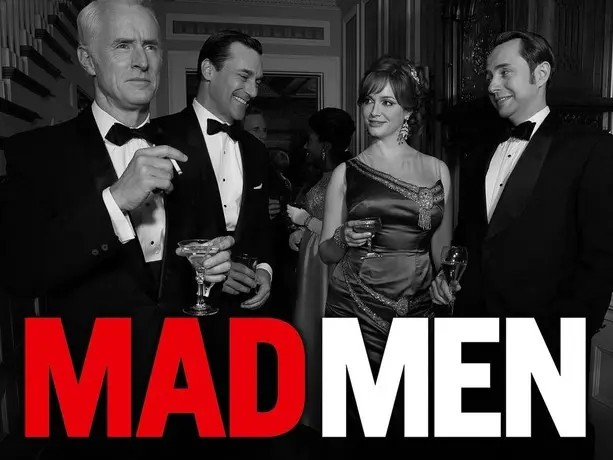
Photo via Rotten Tomatos
Although the program didn't create midcentury style, it did bring it back into the public eye. Suddenly, midcentury modern wasn't merely a chapter in design's past. It became something to strive forPalm Springs wasn't just a passing mention for mid-century design; it was the actual location. The association grew so strong that Modernism Week embraced it, even incorporating "Mad Men meets Modernism Week" events and related programming, per kvcrnews.org.By the late 2000s, a trifecta of forces had converged. Palm Springs showcased genuine architecture, not mere imitations.The Modernism Show & Sale drew a crowd, providing a compelling reason to go and browse. (Palm Springs Life) Mad Men revived the allure of the midcentury era, making its clothes, interior design, cocktails, and overall lifestyle seem desirable once more. (Los Angeles Times).
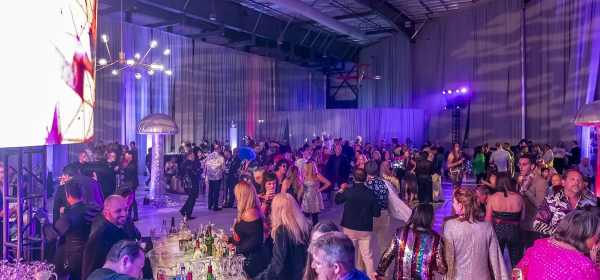
Mid-century real estate started to boom.And Palm Springs, being Palm Springs, said, "Sounds good."Let's celebrate.
Modernism Week Opening Night Soiree- via Modernism Week
Not without some criticism.
As Modernism Week has grown, it has naturally evolved far beyond its early, grassroots beginnings. What started as a locally driven labor of love has become an internationally recognized festival, supported by major sponsors and drawing visitors from around the world. For those of us who were present at the beginning, the festival's scale may seem vastly different from the DIY spirit that initially drove it, yet its expansion also demonstrates the profound resonance of Palm Springs modernism.
Local artist and shop owner Michael Weems of the Michael Weems Collection , once jokingly likened Modernism Week to a “Civil War reenactment,” complete with period-inspired outfits and a bit of theatrical flair. Although the comment was humorous, it effectively illustrates the event's unique character. With success have come some growing pains—more traffic, busier neighborhoods, and understandable concerns from residents adjusting to the influx of visitors. Still, these challenges are part of what happens when something once niche becomes beloved on a global stage.
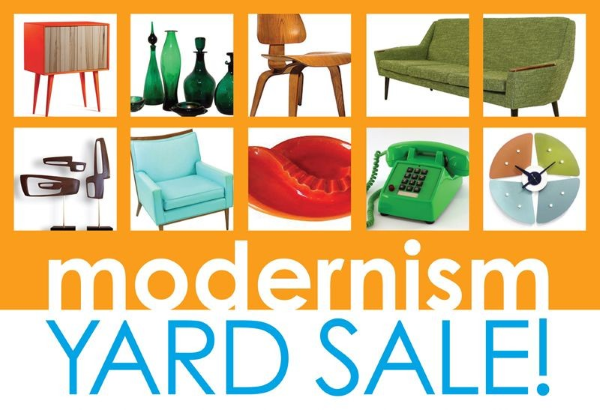
Wanting to preserve some of that original community spirit, my then-agent Chris Bale and I launched the Modernism Yard Sale , held originally in the Paul Kaplan Group's parking lot - a free, less glitzy, unofficial end-of-week gathering that gave local artisans, vintage dealers, and some of our past clients; a place to participate without barriers. Fueled by positive energy—and free donuts—it quickly became a favorite and has since grown into an official part of Modernism Week, thanks to Chris carrying it forward.
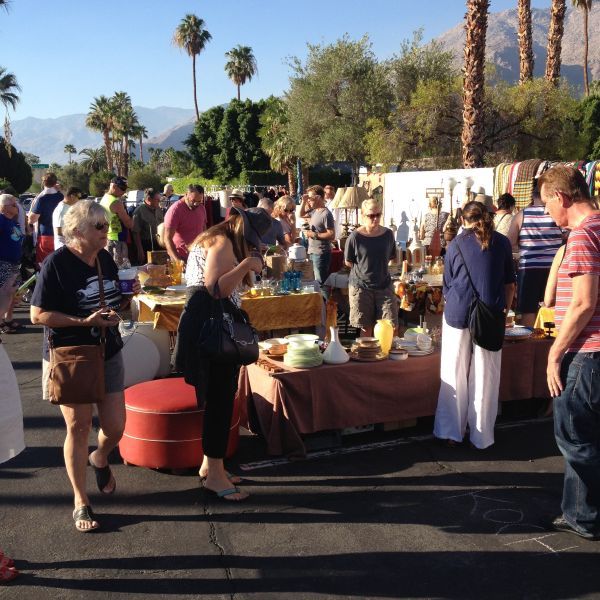
Paul Kaplan Group parking lot - Modernism Yard Sale circa 2012
Yes, there are valid conversations around cost, commercialization, and balance. But those conversations exist because Modernism Week matters. The fact that it inspires passion, debate, and reflection is proof of how far it has come—from photocopied flyers and open houses to one of Palm Springs’ most defining cultural events.Modernism Week has thrived here in Palm Springs, and the momentum shows no signs of slowing.
Modernism Week was never a passing trend—it works because Palm Springs is one of the few places where midcentury modernism still exists as a complete, living environment. Here, it isn’t a handful of isolated landmarks; it’s entire neighborhoods, hotels, civic buildings, and landscapes still doing what they were designed to do—connecting architecture, climate, and lifestyle under the desert sky.
Today, Modernism Week draws design lovers from around the world, offering more than 400 tours, talks, and events. From iconic home tours and architectural bus rides to walking tours, a vintage trailer show, film screenings, cocktail parties, art exhibitions, and scholarly lectures on international modernism—including figures like Gio Ponti —the festival has grown into a global stage.
As Modernism Week grew in popularity, organizers began looking for ways to extend its impact beyond the already-busy February season. By 2013, the idea of a fall event took shape, responding to both local interest and the hospitality community’s desire to fill rooms during the quieter shoulder season. Partnering with DoCoMoMo , which was launching modernist home tour weekends nationwide, Palm Springs introduced what became known as the Modernism Week Fall Preview. Originally conceived as a smaller “preview” of the February programming, the October event quickly gained its own following. Its lighter crowds and more relaxed pace appealed especially to locals, and as demand increased, additional days and programming were added. Today, the Fall Preview—now often called Modernism Week October—has become a popular four-day event in its own right, drawing tens of thousands of attendees and further cementing Modernism Week as a year-round presence in Palm Springs.
Since becoming a 501(c)(3) nonprofit in 2009, Modernism Week has expanded its mission beyond events and tours to include meaningful community investment. The organization established an annual scholarship program for local high school seniors pursuing college degrees in architecture, design, and related fields, while also providing ongoing financial support to local and statewide preservation organizations and neighborhood groups. Through partnerships with organizations like One Future Coachella Valley , the scholarship program has been amplified, allowing Modernism Week to donate hundreds of thousands of dollars toward education and preservation. By investing in students who grew up surrounded by Palm Springs’ modernist legacy, Modernism Week helps ensure that the next generation of architects, designers, and preservationists will continue shaping—and safeguarding—the city’s future.
What truly transformed Palm Springs’ modernist legacy into a movement, though, was access. People had the chance to walk through the architecture, engage in conversations about it, and experience it firsthand. Tours led to conversations, conversations led to return visits, and return visits became traditions, and for some, it led to owning their own mid-century home.
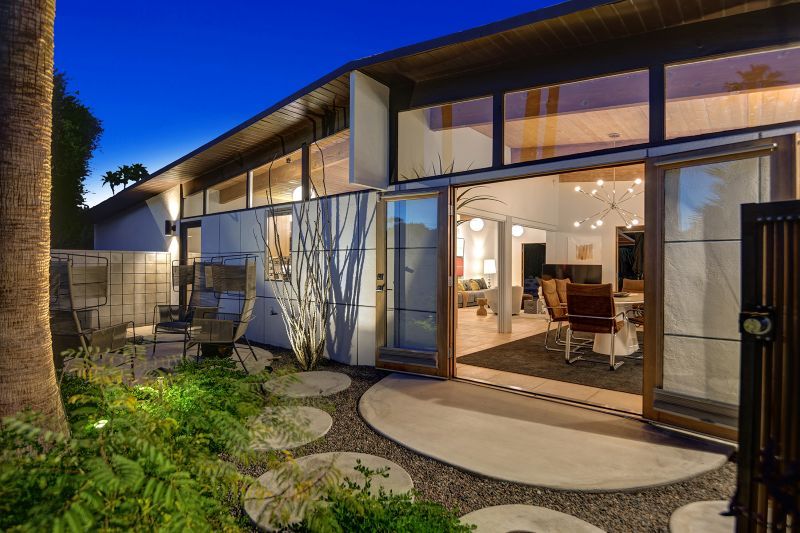
Racquet Club Estates Home, designed by William Krisel, built by the Alexander Construction Co.Renovated by Clay Baham of the Paul Kaplan Group
What Endures in Modernism
As I was building the Paul Kaplan Group alongside the early growth of Modernism Week, my focus was never just on selling midcentury homes—it was on helping people truly discover them. Through early open houses, printed lists handed out at the Modernism Show, and encouraging buyers to explore real neighborhoods rather than staged displays, curiosity slowly turned into connection. Over time, selling homes in places like Racquet Club Estates, I was honored to hear from longtime residents who felt that this focus on midcentury architecture helped shape the neighborhood’s evolution. And yes, I’m happy to report that most of those once-maligned “Taco Bell Midcentury” remodels have since been lovingly restored.
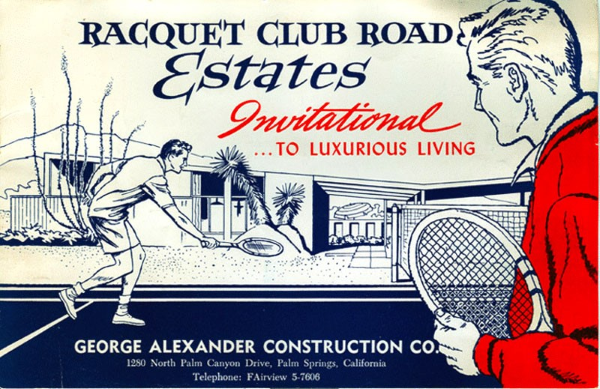
Racquet Club Road Estates Original Brochure - Homes built by the Alexander Construction Co., Palm Springs
The Modernism Show & Sale, once the centerpiece of it all, remains a cherished part of Modernism Week today—now woven into a much larger tapestry. Those early, grassroots efforts were simple and community-driven, but they played a crucial role in shifting perceptions, proving that these homes weren’t risks or relics, but places people genuinely wanted to live in and preserve.
What began as a few conversations and a shared belief grew into a community movement—and ultimately into a cultural phenomenon. Much like the early buyers of Alexander homes in the 1950s and ’60s, the original advocates of Modernism Week likely never imagined what it would become. We're grateful at The Paul Kaplan Group that because of all these early efforts, Palm Springs, now widely recognized as a modernism capital, owes that identity to their vision and persistence.
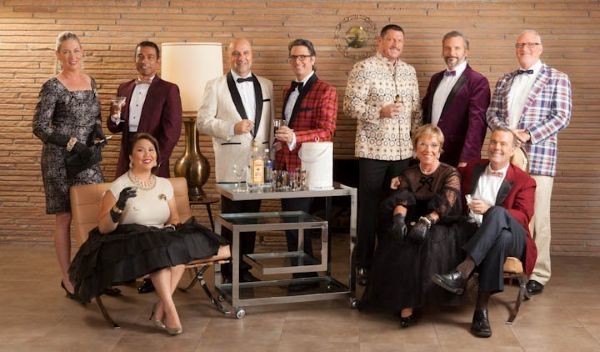
The Paul Kaplan Group - 2012 Modernism Week Photo Shoot
And while I’ll always regret not buying that little condo at Desert Holly, I’m grateful for what followed. Modernism helped fuel Palm Springs’ renaissance and deepen appreciation for its architectural heritage. Today, Modernism Week is a global, well-funded collaboration of homeowners, historians, designers, nonprofits, and cultural institutions. It may look very different from its DIY beginnings, but in a very Lost Palm Springs way, the spirit of Modernism endures—alive in the neighborhoods, the homes, and the people who continue to live in, protect, and celebrate this remarkable architecture.*
Sources & References
(for editors, historians, and fellow modernism obsessives)
- Modernism Week (Official)
- Palm Springs Modernism Show & Sale
https://www.palmspringsmodernism.comOrigins of the Show & Sale (founded 2001), its role in attracting collectors and design tourism.
- Palm Springs Life Magazine
https://www.palmspringslife.comExtensive oral histories, interviews, and reporting on Modernism Week, PS ModCom, William Kopelk, and the modernism renaissance in Palm Springs.
- Palm Springs Preservation Foundation
https://www.pspreservationfoundation.orgHistoric preservation efforts, Fire Station No. 1, and early advocacy for midcentury architecture.
- Palm Springs Modernism Committee (PS ModCom)
https://psmodcom.orgHistory of PS ModCom, formation in 1999, early leadership, preservation advocacy.
- Palm Springs Art Museum – Architecture & Design Center
https://www.psmuseum.org/architecture-design-centerMuseum symposiums, educational programming, and role in early Modernism Week development.
- Architectural Digest
https://www.architecturaldigest.comCoverage of Donald Wexler’s steel houses and Jim Moore’s Palm Springs residence.
- Los Angeles Magazine
- Donald Wexler Architecture
https://en.wikipedia.org/wiki/Donald_WexlerBackground on Wexler, steel houses, and Palm Springs civic architecture.
- William Cody Architecture
https://en.wikipedia.org/wiki/William_Pereira(Supplemented by Palm Springs Preservation sources and local architectural guides.)
- Phoenix Home & Garden
https://www.phgmag.comCoverage of early Modernism Weekend and Palm Springs design culture.
- Los Angeles Times
https://www.latimes.comArticles on Mad Men and its influence on the resurgence of midcentury modern design.
- KVCR News
https://www.kvcrnews.orgCoverage of Modernism Week programming and cultural impact.
- Wikipedia – Modernism Week
https://en.wikipedia.org/wiki/Modernism_WeekGeneral timeline and high-level overview (used as a secondary reference).
- Additional Context & Oral History
Personal recollections and professional experience of Paul Kaplan
Local oral history, interviews, and anecdotal accounts from residents, designers, preservationists, and business owners
Community memory related to PS ModCom, Modernism Show & Sale, and early Modernism Week programming
- Paul Kaplan Group
- Racquet Club Estates
Robert Imber — The Teacher of Palm Springs Modernism
The Educator Who Sparked Desert Preservation
Few individuals shaped Palm Springs’ modernism revival as profoundly as Robert Imber. Widely regarded as one of the city’s most influential preservationists, Robert believed—above all—that education was the key to saving Palm Springs’ architectural heritage. As friends and colleagues often joked, there exists an international “Blame It on Robert” club—people who took one of his tours, fell in love with Palm Springs modernism, and ended up buying a home.
“We feel he was very much responsible for the resurgence of Palm Springs,” says Joan Gand as quoted in the Eichler Network, a friend and member of the city’s modernist community. “He really created the whole architectural tourism in Palm Springs,” Gand says. “They were the first modernism tours, focusing on architects. Other tours had focused on celebrities. With these tours, the built environment became the celebrities.”
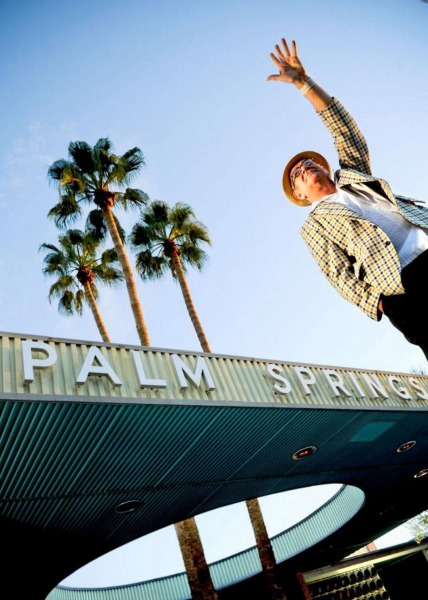
Robert Imber always reached high in efforts to save threatened buildings. He is seen by Palm Springs City Hall. Photo by James Schnepf, via Eichler Network
Originally from St. Louis, MO, education continued at San Fernando Valley State College (now California State University, Northridge) and Antioch Graduate School of Education. After moving to Palm Springs full-time in the early 2000s, Robert founded Palm Springs Modern Tours in 2001, becoming the first to shift architectural tours away from celebrity homes and toward the buildings themselves. As one friend put it, “The built environment became the celebrities.” From 2001 to 2017, Robert educated thousands through small-group tours—first by minivan and, for a time, by Segway—offering constant narration rich with context, history, and enthusiasm. While Imber’s traditional tours cover houses, churches, commercial buildings, hotels, and even gas stations, Segway tours are limited to the Las Palmas residential neighborhood. His tours didn’t just inform; they created demand, effectively launching architectural tourism in Palm Springs and laying the groundwork for what would later flourish as Modernism Week.
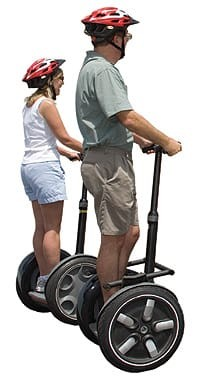
The Great Outdoors - See it on a Segway, Palm Springs Life, 2007
Robert’s influence also extended directly into real estate education. When I was first building the Paul Kaplan Group, I wanted our agents to truly understand midcentury architecture—not just recognize it. Robert regularly gave architectural tours to our team, piling us into his van and driving neighborhood by neighborhood, explaining architects, rooflines, materials, floor plans, and the design logic behind them. He also came to our office meetings to speak on midcentury-related topics, helping train a generation of agents to better serve buyers who cared deeply about architecture. Those tours were foundational to how our team approached midcentury homes and client education. We are deeply grateful for the many clients Robert referred to us over the years—tourgoers who fell in love with Palm Springs through his tours and wanted to own a piece of its midcentury legacy.
Beyond tours, Robert was deeply involved with the Palm Springs Modernism Committee (PS ModCom), where he led education initiatives and championed preservation. He believed the future of preservation lived with young people. Through PS ModCom, Robert worked with local schools—most notably St. Theresa Catholic School—teaching students about architecture through lectures and hands-on model building. Student-created models of iconic modernist homes and buildings were later displayed during Modernism Week, allowing visitors to see Palm Springs architecture through the eyes of the next generation.
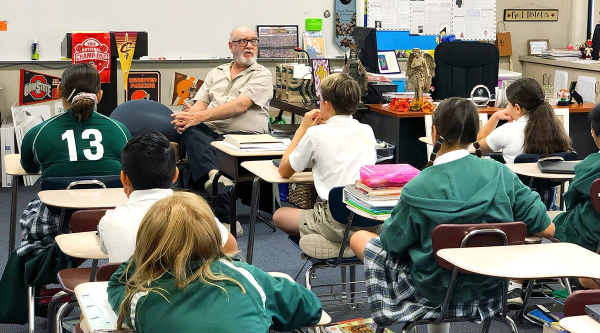
Imber (pictured above) ran the education effort for PS ModCom, teaching students at St. Theresa Catholic School about the value of Palm Springs' architectural heritage. Courtesy of PS ModCom.
Robert also worked tirelessly behind the scenes—lobbying Palm Springs' City Hall, advocating for threatened buildings, and helping save properties that were once neglected or misunderstood. He often recalled moments like seeing Richard Neutra’s Grace Miller House when it appeared closer to a crack house than a landmark, underscoring how close Palm Springs came to losing much of its architectural legacy. Robert was founding member of the Palm Springs Modern Committee (PSMODCOM), where he served on the Board of Directors and was also chairman of the Education Committee. In 2009, PS ModCom honored him as Preservationist of the Year, complete with a sidewalk star in downtown Palm Springs.
Though not formally trained as an architectural historian, Robert’s knowledge was vast and deeply felt. He wrote extensively about desert architecture, produced the documentary Desert Utopia, served on the board of the California Preservation Foundation, and organized preservation events across the state. His passion was contagious, his storytelling poetic, and his belief unwavering: architecture mattered because it reflected place, climate, light, and human intention. He served on various boards including the NEWSCHOOL Arts Foundation at the NEWSCHOOL of Architecture and Design, San Diego, CA, and the San Clemente Historical Society, San Clemente, CA. Robert served on the 2009 Palm Springs Conference Steering Committee as co-chair for tours and bookstore and was founder and director of MUSARCH, a museum of architecture in John Lautner’s Alto Capistrano in San Juan Capistrano, CA. Imber was also the executive producer of the documentary, Desert Utopia: mid-century architecture in Palm Springs and among other writing collaborated on Palm Springs Style (Assouline Press). He was recipient of the Palm Springs Bureau of Tourism 2008 Tourism Partner of the Year, Palm Springs Life Magazine’s “101 Most Influential”
Robert Imber passed away in early April 2021 at age 71, leaving a profound void in the Palm Springs community. He is widely credited with helping the city rediscover—and value—its midcentury soul. Modernism Week, architectural tourism, preservation advocacy, and even how local agents understand and present architecture all carry his imprint. He is sorely missed, but his legacy lives on every time someone looks at a Palm Springs building and truly sees it.
Lost Palm Springs is very much a living history project. Much of the research for these posts comes from a mix of archival sources, online research, personal memory, conversations, and a fair amount of local lore passed along over the years. While we do our best to be accurate and thoughtful, memory can be imperfect, and history is often layered. If we’ve missed something, misstated a detail, or if you have firsthand knowledge that adds clarity or depth, we genuinely welcome your corrections and insights. Sharing these stories enhances their richness, and we all own the history of Palm Springs.
Selling Your Home?
Get your home's value - our custom reports include accurate and up to date information.