
.png)
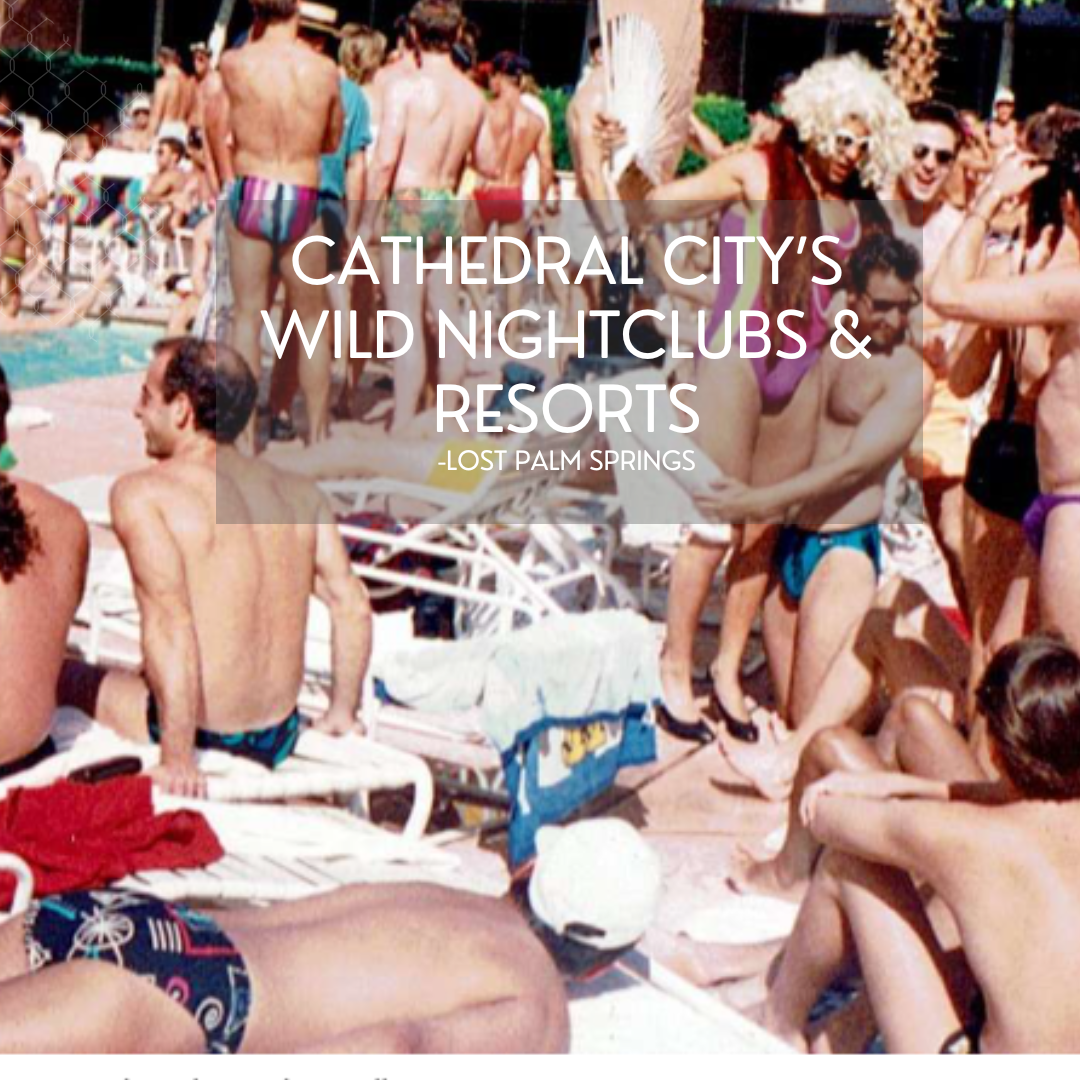
Inside the Desert’s Forbidden Gay Oasis: Cathedral City’s Wild Nightclubs & Resorts
The Hidden Gay History of Cathedral City: Nightclubs, Resorts
In our ongoing series, Lost Palm Springs, we explore the history of the LGBTQ+ community in Cathedral City, a small enclave just east of Palm Springs. When people talk about LGBTQ+ history in Greater Palm Springs, the spotlight usually shines on Arenas Road, Warm Sands, and today’s thriving resort scene. But the true birthplace of modern gay nightlife and gay resort culture in the desert wasn’t necessarily Palm Springs at all.
It was Cathedral City.
For decades — from the 1950s through the early 1990s — Cathedral City was the most popular place in the valley where openly gay bars, nightclubs, and clothing-optional resorts could legally operate. Although there were some gay-oriented nightclubs there, Palm Springs quietly discouraged gay bars within city limits, making it difficult for owners to get the right licenses. So what did entrepreneurs do?
They drove down Highway 111 into Cathedral City…and created a full-scale gay playground.
This is the story of how Cathedral City became the desert’s underground gay capital — long before Palm Springs embraced the title.
🌈 Why Gay Bars Were in Cathedral City — Not Palm Springs
Before the 1990s, Palm Springs had gay residents, gay tourists, and plenty of gay-friendly restaurants, but no openly gay bars. Licenses for nightlife venues that openly catered to gay men were routinely denied or blocked through zoning and permitting tactics.
Cathedral City, however, took a hands-off approach. If you could rent a building and keep things orderly, you could run your nightclub or your resort with far fewer political obstacles.
So by the 1970s and 1980s, Cathedral City was buzzing every night with:
- packed dance floors,
- leather bars,
- drag shows,
- foam parties,
- adult resorts,
- and a level of sexual freedom you definitely weren’t going to find on Palm Canyon Drive.
For an entire generation, Cathedral City was where you went to truly be yourself.
🎶 The Legendary Nightclubs of Cathedral City
Daddy Warbucks
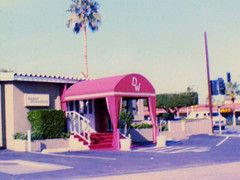
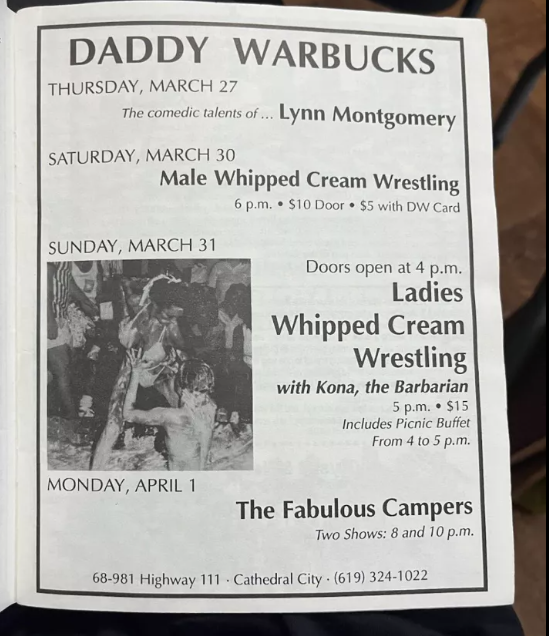
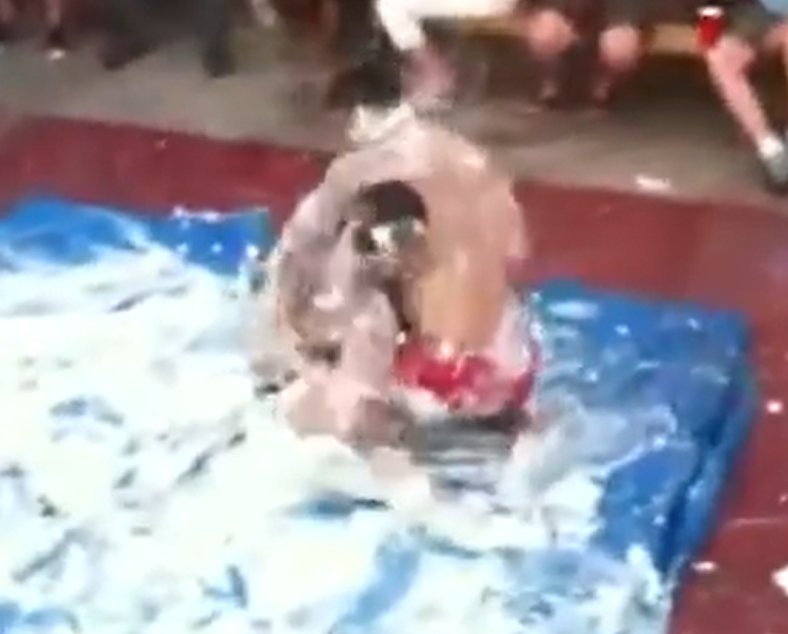
If you lived in the valley in the ’70s or ’80s, you felt the Daddy Warbucks energy before you even pulled into the parking lot. Known for flamboyant shows, go-go dancers, whipped-cream wrestling, and campy theatrics, it became a landmark of unapologetic gay nightlife.
.png)
People still talk about Daddy Warbucks the way people talk about Studio 54 — outrageous, iconic, and uniquely of its time.
.png)
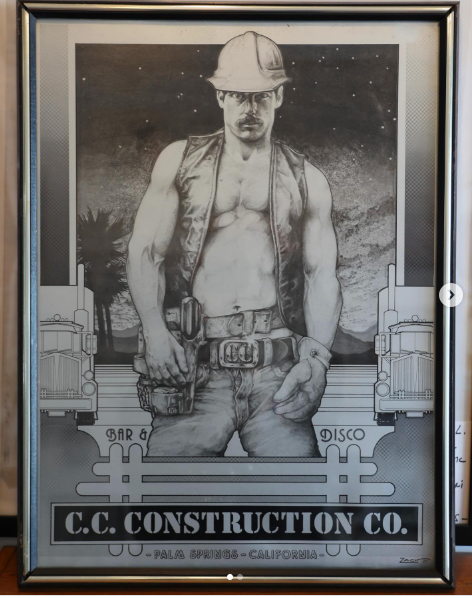
C.C. Construction Company
Despite the name, this was no hardware store. CC Construction Company was the desert’s early leather bar, buzzing with cruisy nights, theme parties, harnesses, and late-night mischief.
.png)
It was often mistakenly listed as a Palm Springs bar, which locals found hilarious — because everyone knew gay bars were banned in Palm Springs. The “CC” very much stood for Cathedral City.
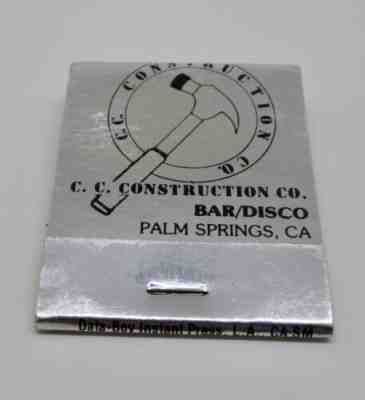
📌 Sidebar: C.C. Construction Company
The Leather Bar That Built a Legend
If Daddy Warbucks was Cathedral City’s showgirl, C.C. Construction Company was its rough-and-ready leather daddy — equal parts grit, attitude, and irresistible charm. Despite the industrial-sounding name, this wasn’t a hardware store… though plenty of men did show up in harnesses.
Known simply as “CC’s” to regulars, the bar became a cornerstone of the desert’s rising leather scene in the late 1970s and ’80s — and one of the earliest places in the Coachella Valley where men could live out the fantasy unapologetically.
Here’s how locals remember it:
⭐ “The name fooled people — until they stepped inside.”
Visitors expecting a bar full of construction workers weren’t entirely wrong. The vibe leaned heavily toward:
- denim & boots
- leather & Levi’s
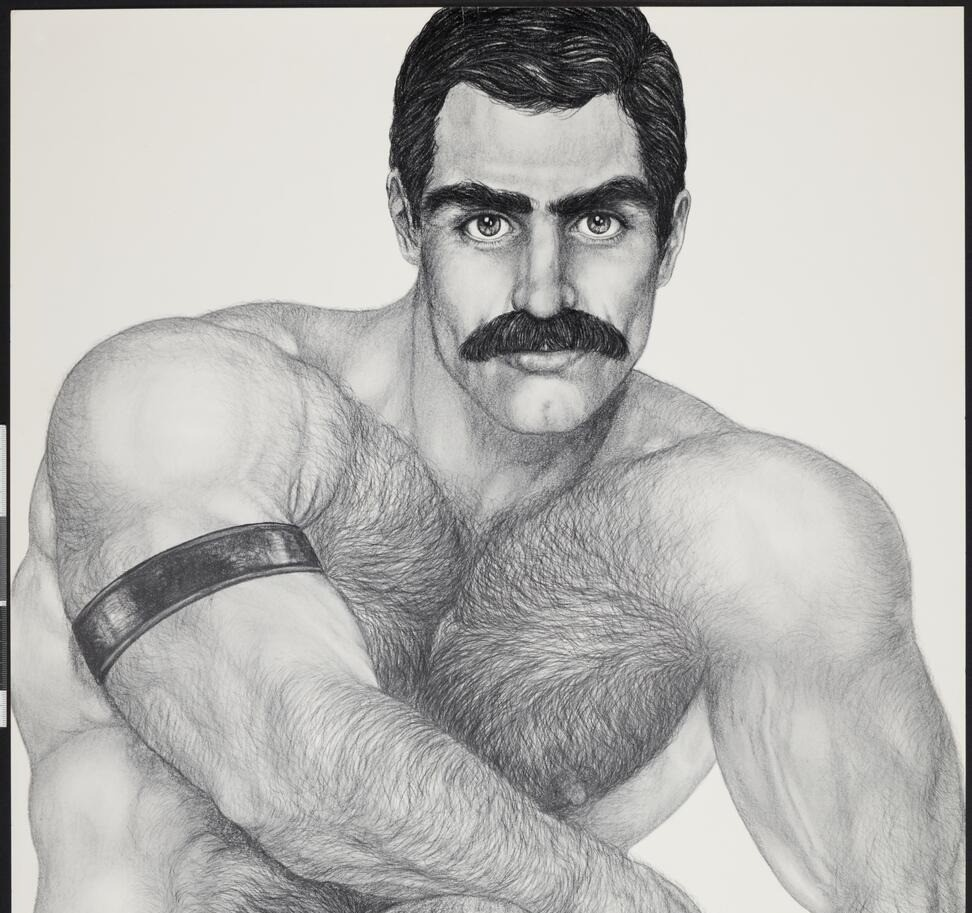
- mustaches & muscle
- and a whole lot of good-natured cruising
One columnist joked that CC stood for “Cathedral City”, a wink at the fact that gay bars weren’t allowed in Palm Springs at the time — so everyone crossed the city line to play.
⭐ “CC’s was wild… but it was also home.”
Regulars say it struck the perfect balance between edgy leather bar and friendly neighborhood hangout. You could walk in wearing full gear or just a T-shirt and jeans, and nobody cared — as long as you were there to have a good time.
It was the kind of bar where:
- people actually learned your name
- you’d run into the same faces every weekend
- friendships formed as easily as flirtations
For many men, CC’s was where they found their tribe.
⭐ “Dark corners, good music, no judgment.”
CC’s layout included an industrial-style interior, low lighting, and a few “don’t ask, don’t tell” corners in the back. It wasn’t sleazy — just confidently sexual in a way that felt liberating for the time. The music pulsed, boots stomped, and the energy was unmistakable.
One regular described it as:“The place you went when you wanted something… specific.”Say no more.
⭐ “It’s the bar that put Cathedral City’s leather scene on the map.”
Before The Barracks became a powerhouse, CC Construction Company was already planting the leather flag in Cathedral City. It offered themed nights, uniform parties, and that uniquely desert mix of leather culture with laid-back friendliness.
Its presence helped cement Cathedral City as the valley’s queer nightlife capital long before Arenas Road existed.
⭐ “People still talk about it with a little sparkle in their eye.”
Ask anyone who was around in the ’80s and they’ll tell you:CC Construction wasn’t just a bar — it was a moment.A rite of passage.A landmark of freedom during a time when gay men had few truly open places to gather.
You didn’t just go to CC’s.You experienced it.
Pompeii (Pompei’s)
Named after the ancient city destroyed by fire, this nightclub included a volcano and had its own dramatic flame-filled fate when a blaze gutted the building in the early 1990s.
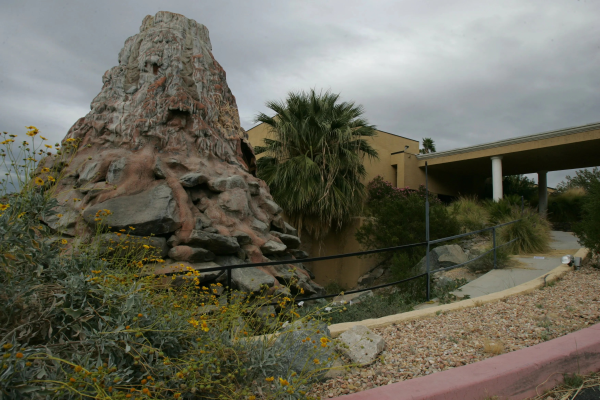
But long before that, Pompeii was beloved for:
- theatrical shows,
- go-go boys,
- elaborate theme nights,
- and unforgettable dance parties.
It also had architectural cred: the building sat on a site designed by mid-century modern master A. Quincy Jones. You went for the dancing… but you stayed because the whole place felt glamorous and a little dangerous.
Other Nightspots That Shaped the Scene
The first gay bars opened in Cathedral City more than 50 years ago even before it was incorporated in 1981. Some of those early bars known to have been open as early as the late 60s and early 70s were: Queens Attic (1969), 67901 E. Palm Canyon; GAF (1970) 68555 Ramon Rd.; Oil Can Harry’s Spa (1971) 68981 E. Palm Canyon, (where it was reported that ‘Truman Capote was in attendance’ in April of 1972); The Party Room (1971) 67977 E. Palm Canyon; Sir James (1971) 67771 E. Palm Canyon; and Rancho Dandy at the Desert Palms Hotel (1972) 67580 E. Palm Canyon. ( Palm Springs Life, April, 2022)
- ROCK's": Locals also mention a spot they remember simply as Rock’s, a bar that drew its share of queer regulars but has left almost no trace in the digital era. Like many small neighborhood bars of the time, it survives mostly in stories rather than in searchable records. Rocks was a known gay bar in Cathedral City during the 1980s.
- The Barracks, opening in 1992 as Wolf’s Den, was a wildly popular leather & gear bar – now closed and soon to be reopened as "The Eagle," a staple of the valley’s leather and kink community
Each played a role in making Cathedral City a lively, diverse, and sometimes delightfully rowdy gay haven.
🌴 The Rise of Gay Resorts in Cathedral City
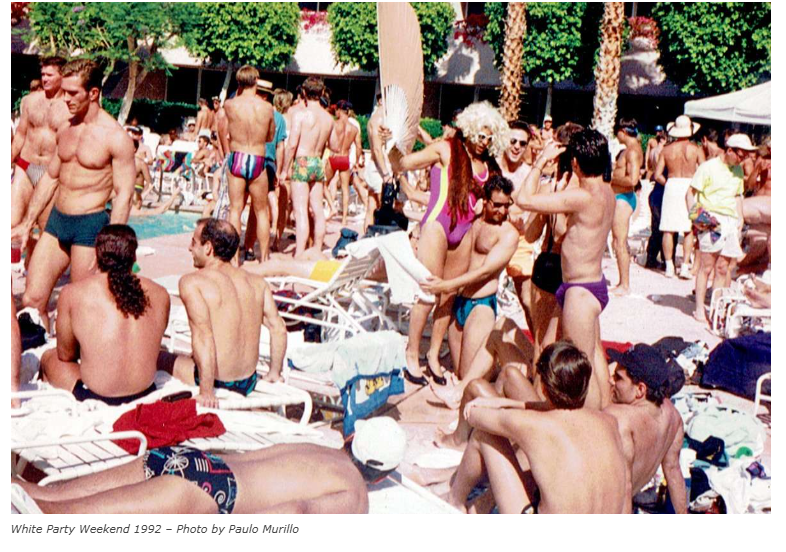
The nightlife was only half the story. Cathedral City also became the first true hub for clothing-optional gay resorts in the valley.
While Palm Springs hesitated, Cathedral City built an entire gay vacation industry.
.png)
Here were the pillars of that world:
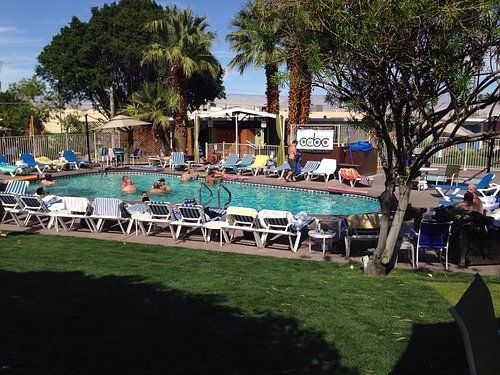
CCBC Resort Hotel (Cathedral City Boys Club)
The largest and most famous of them all. (Still in operation!)
CCBC offered:
- large clothing-optional areas,
- cruising gardens,
- multiple pools,
- weekend-long themed events,
- and a sense of freedom unmatched anywhere in the valley at the time.
Vacationers loved staying someplace they could be themselves during the day… and walk to bars like Daddy Warbucks at night.
Desert Buccaneer, Desert Mirage, Desert Paradise & Others
Cathedral City once had an entire constellation of boutique gay-operated resorts and inns:
- quiet, intimate motor-court-style hideaways
- romantic poolside casitas
- clothing-optional social resorts
- leather-friendly guesthouses
This cluster of small resorts created a kind of gay village long before Warm Sands in Palm Springs took shape.
🌟 Palm Springs Villas at the Elizabeth Arden Compound: A Glamorous Chapter
One of the most fascinating pieces of Cathedral City’s gay history sits on the site of the old Elizabeth Arden spa and beauty retreat.
Yes—that Elizabeth Arden.
In the 1940s–50s, Arden operated a luxurious health spa in Cathedral City, where Hollywood stars came to rejuvenate under the desert sun. Think:
- mud baths
- mineral soaks
- celebrity detox retreats
- glamorous mid-century architecture
After Arden’s era ended, the sprawling compound changed hands multiple times and eventually became part of the Palm Springs Villas resort — a gay-friendly retreat that embraced sunbathing, socializing, and the carefree desert lifestyle.
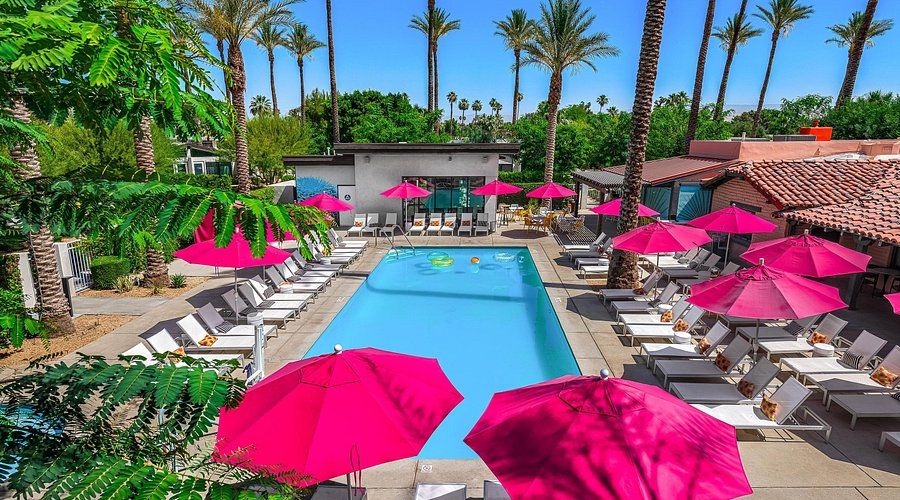
By the early 2000s, The Villa wasn’t just a place to sleep or cruise — it had a full restaurant and bar program that locals actually raved about. Weekend calendars often ended with Sunday brunch at The Villa, where guests and locals nursed their hangovers on the patio with coffee, eggs, and mimosas under the date palms. Gay group weekends like Palm Springs Gayla even built “Brunch at The Villa” into their official itineraries, turning it into a kind of communal debrief after a wild Cathedral City weekend rather than just another hotel meal.
What made this location special?
- It offered privacy, which queer visitors valued deeply before Palm Springs had open gay spaces.
- The bones of the Elizabeth Arden spa gave the resort an aura of old Hollywood luxury.
- Its Cathedral City address meant it could openly cater to gay men without the licensing headaches of Palm Springs.
Guests loved the mix of celebrity history, desert glamour, and freedom to live authentically.
For many, Palm Springs Villas became one of the most treasured gay accommodations of its era.
📌 SIDEBAR: Remembering “The DP” — Desert Palms Resort
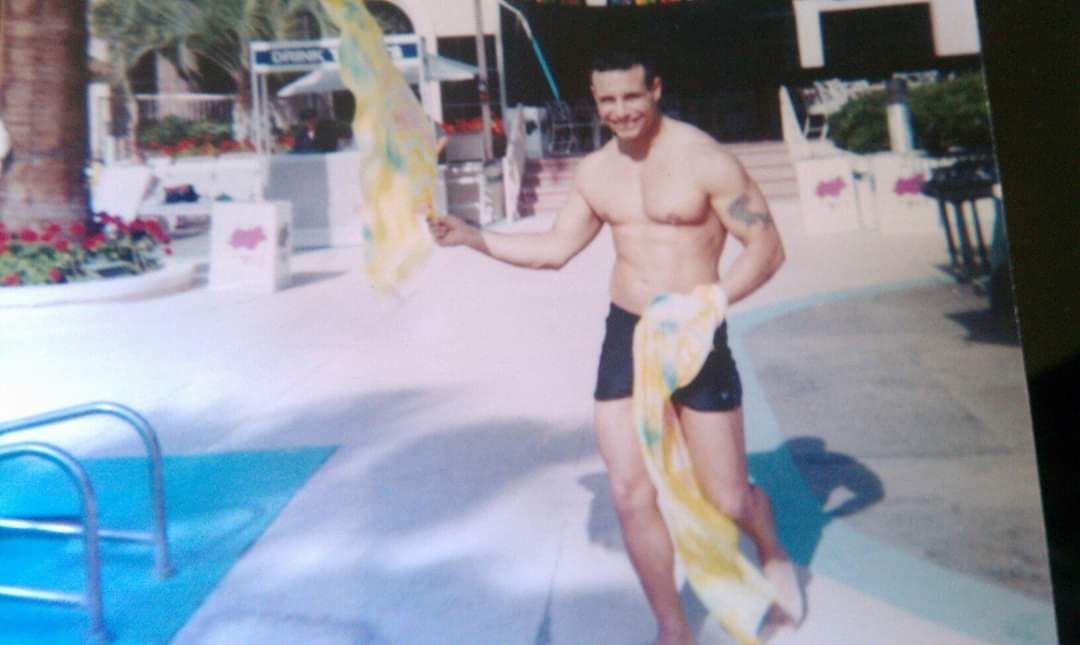
In the fading glow of Cathedral City’s gay-resort era, few places inspire quite as much “do you remember…?” nostalgia as The DP — short for Desert Palms Resort. For some it had the nickname "Desperate Palms." (I'm not sure why, actually!)
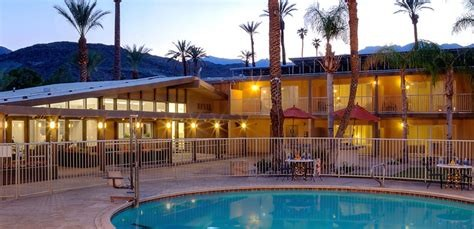
Long before Warm Sands became the center of the desert’s gay-resort universe, Cathedral City had its own constellation of LGBTQ+ hideaways, each with its own quirks, regulars, and late-night stories. Desert Palms was one of them — a compact, friendly, gay-popular resort tucked near The Villas/Villa Resort, putting it right in the heart of what was once the valley’s unofficial queer corridor. There was a lively restaurant that was also popular in the evenings as well as for Sunday brunch.
The DP wasn’t flashy, and it never tried to be. It was the kind of place where the regulars knew the room numbers by heart, the courtyard echoed with splashing and gossip, and newcomers quickly learned that the real magic happened around the pool after sunset. It wasn’t a circuit-party destination—more of a homey, low-key hangout where friendships formed, romances sparked, and weekend escapes turned into stories told years later over cocktails at the Barracks… or at least until the Barracks closed....
“The Oleander Hilton”Between the DP (Desert Palms) and The Villas, longtime locals recall a little in-between zone affectionately nicknamed “the Oleander Hilton.” It wasn’t an official business name — more of a desert inside joke — a leafy buffer of oleanders that offered a bit of shade, privacy, and a convenient shortcut between two legendary Cathedral City hangouts.
Desert Palms closed more than a decade ago, leaving little trace in the digital era. No glossy brochures survive, no Yelp reviews, and no Google Street View snapshots. What does remain is the way places like Desert Palms stay alive in memory—whispered in conversations, resurfacing whenever someone brings up “The Villas,” or asks, “Whatever happened to the DP?” Well, it now serves as the home for a rehab center.
Today, The DP exists mostly in that warm, sepia-toned realm of queer desert history — a reminder of a time when Cathedral City’s gay scene was intimate, improvisational, and a little bit wild. And like so many vanished LGBTQ spaces, it lives on through the people who loved it and the stories they still tell.
Villa Mykonos (often misremembered as “Club Mykonos”) added a more intimate, timeshare-style layer to Cathedral City’s gay resort scene. With only about ten townhome-style villas, it felt more like a private club than a hotel — a place where many repeat owners and guests saw the same faces year after year, building its own tight-knit community alongside larger properties like CCBC and The Villa.
Dave’s Villa Caprice Country Club & Spa, hidden off Highway 111 down Carey Road, was the desert’s first true gay “bath resort” — a clothing-optional motel complex with cottages, a pool, a steam room, and infamous play areas. Listed in 1970s gay travel guides as a country club and spa, it attracted a mostly young male crowd from across the U.S., Canada, and Europe and was widely considered the nicest gay accommodation in the desert before CCBC opened. In 1981 it was even firebombed, along with the GAF Bar in Palm Springs, in a targeted attack that caused only minor damage but underscored how visible and important Dave’s had become in local gay life.
📌 Sidebar: Remembering Dave’s Villa Caprice
A Hidden Desert Playground, Long Before CCBC
For many locals and travelers in the 1970s and ’80s, Dave’s Villa Caprice Country Club & Spa was their first introduction to what a gay desert resort could be — sun-soaked, a little mysterious, and full of personality.
Guests who stayed there describe it as part country-club fantasy, part desert hideaway, and part social clubhouse tucked among the date palms. It wasn’t glamorous in a Palm Springs way — it was better in its own way: intimate, unpretentious, and beautifully alive.
Here’s how people remember it:
⭐ “The nicest gay accommodation in the desert.”
One frequent guest wrote that long before CCBC existed, Villa Caprice was the place, with big motel-style rooms, sunken showers, and a courtyard pool that became a daily gathering spot. For a lot of men, this was the first time they’d experienced a fully gay lodging environment — and it felt revolutionary.
⭐ “You’d meet people from everywhere — and you always went home with new friends.”
Travelers came from across the U.S., Canada, and Europe, not just L.A. or San Diego. The place had an easy, communal vibe; stay for a weekend and suddenly you’d know half the courtyard. Many describe it as their queer summer camp, complete with new friendships, romantic sparks, and a few misadventures.
⭐ “It was tucked away… which made it feel like a secret.”
Hidden down Carey Road, behind the municipal golf course and date groves, Dave’s felt like a private club you had to earn your way to. You followed a series of winding roads and then — boom — a little gay oasis appeared: white stucco buildings, palm trees, and the soft desert silence broken only by splashing at the pool.
One guest joked, “You always knew you found it when you started stepping on dried dates around the courtyard.”
⭐ “The staff felt like family.”
Memories often mention the warm, sometimes quirky staff: managers like Rick Finch, long-time groundskeepers, housekeepers, and security guys who knew everyone by name. A few employees later wrote that working there was one of the best jobs of their lives — a chosen-family environment long before that term was mainstream.
⭐ “It had a reputation… but it was classy for its time.”
Yes, Villa Caprice had a bit of bathhouse DNA — a steam room here, an outdoor shower there — but many guests insist it was still more romantic than raunchy. Think: desert nights, soft lighting, a little mischief, a lot of laughter.
⭐ “It survived firebombing and kept going.”
In 1981, someone threw small firebombs at both GAF Bar and Villa Caprice — minor damage, no injuries. Regulars remember it as a frightening moment that also unified the community. Villa Caprice reopened quickly and didn’t lose its spirit.
Why Dave’s Villa Caprice Still Matters
Before “gay resorts” were a marketing category…Before Palm Springs leaned fully into its LGBTQ identity…Before CCBC, The Villa, or the modern clothing-optional circuit…
Dave’s Villa Caprice was already doing it — quietly, boldly, and with a lot of heart.
Ask anyone who stayed there, and they’ll tell you the same thing:
It wasn’t just a resort — it was a feeling.
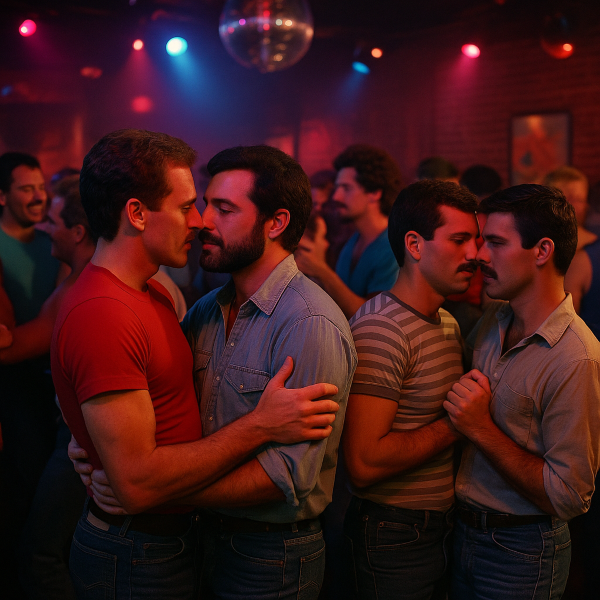
🕺 Nightlife + Resorts = A Gay Micro-City
What made Cathedral City magical wasn’t just the clubs or the resorts — it was how seamlessly they worked together.
A typical night in the 1980s:
- Start at your clothing-optional resort with friends around the pool
- Walk or carpool to Daddy Warbucks or Pompeii’s
- End the night with a crowd at C.C. Construction Company
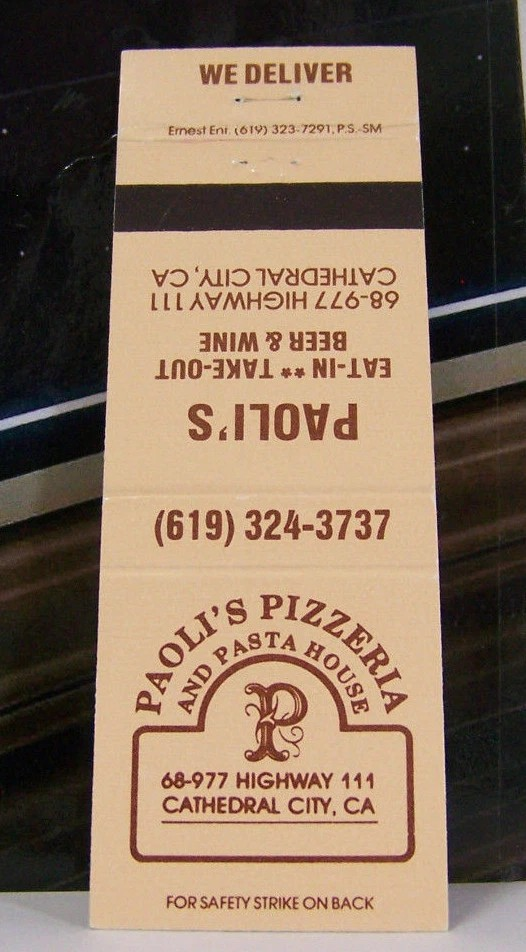
- Head to Paoli's Pizza for a late night snack
- Stumble back to the pool for a nightcap under the stars
It was a full ecosystem of queer joy, freedom, and chosen family — all thriving because Cathedral City gave gay men a place to exist openly.
Like many other places in the country, gay bars did experience police harassment. In February 1983, Riverside County deputies checked for business licenses at six gay bars but not the other two non-gay bars in Cathedral City. “At one bar, three deputies in two patrol cars arrived at midnight, the peak business hour of the week for this and most any other tavern,” bar owners said. “This operation intimidated their customers and smacked of a discriminatory sweep.” (The GAF was also firebombed in 1981 and The Barracks raided for ‘over capacity’ in 2011).
🌈 Palm Springs Finally Catches Up
When Palm Springs allowed its first openly gay bar — Streetbar — to open in 1991, everything shifted. Arenas Road developed rapidly into the famous gay bar district we know today, and Warm Sands grew into a global hub for gay resorts.
But that doesn’t erase Cathedral City’s pioneering role.
If anything, it makes the story richer.
Cathedral City walked so Palm Springs could run.
💖 Why This History Still Matters
Cathedral City’s gay nightlife and resort culture shaped:
- the LGBTQ+ social fabric of the desert
- early gay tourism in Southern California
- safe spaces for generations of queer people
- the foundation for Palm Springs’ modern-day LGBTQ+ identity
Before rainbow crosswalks and Pride parades…before vacation magazines declared Palm Springs “America’s Gay Oasis”… There was Cathedral City—scrappy, bold, underground, and fiercely proud.
At its peak, Cathedral City hosted as many as 50 gay bars, making it one of the most vibrant LGBTQ+ nightlife centers in the desert. That energy gradually shifted in the 1990s as bars and resorts opened in greater numbers in Palm Springs. Now, Cathedral City is reclaiming that legacy, with events like LGBT Day and a growing number of LGBTQ+ residents and welcoming businesses that breathe new life into the city’s gay past.
It wasn’t just a place to party......It was a place to belong.
Disclaimer
This article was compiled using a wide range of sources, including archival materials, newspaper references, travel guides, personal recollections, and oral histories. Much of Cathedral City’s early gay nightlife and resort scene existed well before the internet era, and as a result, reliable digital records are limited. Some details may be based on firsthand memories or community accounts and may include elements of hearsay.
We view this post as an ongoing research project and warmly welcome corrections, clarifications, photographs, or additional information from readers. Our goal is to help document and preserve the rich and often underrepresented history of gay life in Cathedral City and the greater Palm Springs area.
If you have information to share, we would be grateful to hear from you.
Lost Palm Springs is an ongoing series from The Paul Kaplan Group, exploring the buildings, places, and spaces that once shaped daily life in the desert — and the stories they still tell. Through architecture, art, and memory, we document what’s been lost, what survives in fragments, and why these places continue to matter. Because understanding where Palm Springs has been helps us better appreciate what remains — and what’s worth protecting.
Selling Your Home?
Get your home's value - our custom reports include accurate and up to date information.