
Palm Springs, CA sits in the western Coachella Valley, offering more than 300 days of sunshine a year. Long known as a resort destination, the city has evolved into a full-time home for many buyers drawn to the desert climate and unique architectural history. The local economy relies on tourism, real estate, and hospitality, creating a steady stream of amenities for residents to enjoy.
With the San Jacinto Mountains providing a dramatic backdrop, the area features a mix of outdoor recreation, cultural institutions, and distinct housing tracts. Whether you plan to visit Palm Springs or are looking to relocate, understanding the layout of the city helps you make the most of your time here. The community blends a relaxed desert lifestyle with upscale dining and shopping options.
Exploring the Outdoors and Natural Landmarks
The Coachella Valley floor sits near sea level, while the surrounding peaks rise thousands of feet into the sky. This dramatic elevation change creates distinct microclimates and allows for a wide variety of outdoor activities within a short drive. The desert environment requires preparation, so residents quickly learn to schedule their hikes and golf games for the cooler morning hours.
Residents have access to numerous hiking trails that wind through the desert landscape and up into the alpine forests. Golf courses also dot the region, providing manicured green spaces against the arid mountain terrain. Many of these outdoor spaces incorporate the natural rock formations and native cacti into their designs.
The Aerial Tramway and Mountain Trails
The Palm Springs Aerial Tramway carries passengers from the desert floor up the steep cliffs of Chino Canyon. The rotating tram cars take about ten minutes to reach the Mountain Station, which sits at an elevation of 8,516 feet. This rapid ascent provides sweeping views of the entire valley below.
At the top, the temperature often drops by 30 degrees compared to the city streets. Visitors can explore Mount San Jacinto State Park, which offers over 50 miles of trails through pine forests and mountain meadows. During the winter months, locals even bring snowshoes to walk the highest elevation paths.
Hiking the Canyons and Desert Day Trips
Closer to the city center, Indian Canyons and Tahquitz Canyon feature paths that follow seasonal streams and waterfalls. These areas are located on the reservation lands of the Agua Caliente Band of Cahuilla Indians, and they contain natural palm oases and ancient rock art. The trails vary in difficulty, accommodating both casual walkers and experienced hikers.
For a broader desert experience, Joshua Tree National Park is a popular day trip located about an hour east of the city. Alternatively, nearby towns like Desert Hot Springs and La Quinta offer natural thermal waters and expansive resorts for weekend outings. These neighboring communities provide a change of scenery without requiring an overnight stay.
Where to Eat, Shop, and Experience the Culture
Downtown Palm Springs serves as the primary commercial hub for the western edge of the valley. Palm Canyon Drive runs through the center of town, lined with local boutiques, art galleries, and restaurants. The city has invested in maintaining this corridor as an attractive destination for both daytime shopping and evening entertainment.
This district is easy to walk, with wide sidewalks and numerous shaded patios. It is the focal point for community events and provides a concentration of cultural sites within a few city blocks. Parking is generally accessible, with several free public garages located just behind the main retail strip.
Palm Canyon Drive and Local Flavors
Walking along Palm Canyon Drive gives you access to a variety of dining options, from casual cafes to upscale steakhouses. Many visitors stop at local shops to try date shakes, a regional specialty made from dates grown in the eastern Coachella Valley. The outdoor dining scene is active year-round, aided by misting systems in the summer and heat lamps in the winter.
Just off the main strip, the Palm Springs Art Museum features contemporary works, Western art, and glass sculptures. A few blocks away, the towering Marilyn Monroe statue provides a popular photo opportunity in front of the museum. These installations add a distinct visual character to the downtown grid.
Architecture and Historical Sites
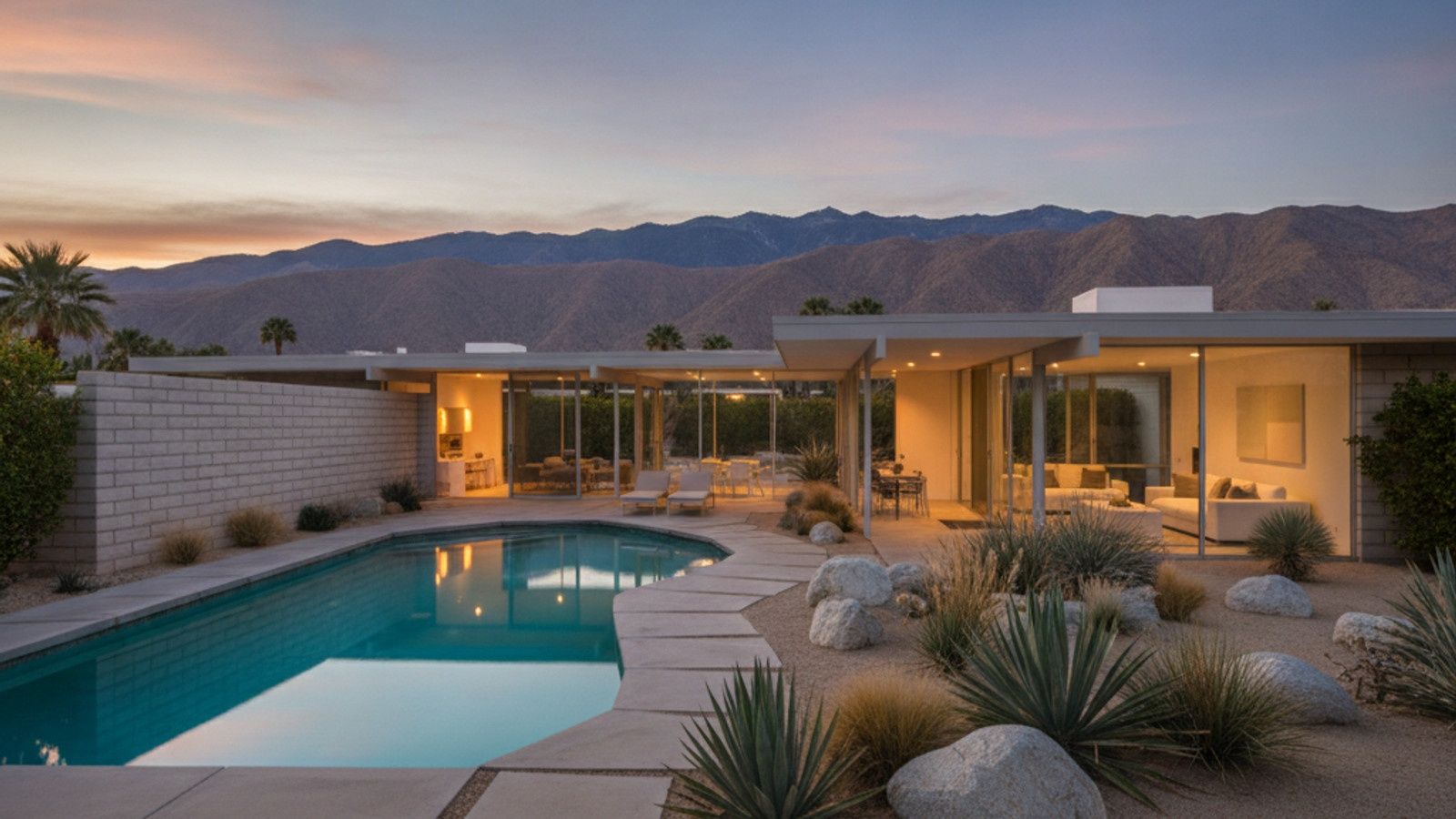
The city is famous for its mid-century modern architecture, characterized by flat roofs, large glass windows, and open floor plans. Modernism Week, held annually, celebrates this design heritage with home tours, lectures, and parties across Greater Palm Springs. Enthusiasts travel from all over the world to view these preserved residential neighborhoods.
Beyond the homes, you can explore specialized attractions like the Palm Springs Air Museum, which houses a large collection of flyable World War II aircraft. For plant enthusiasts, the Moorten Botanical Garden showcases thousands of desert plant varieties in a compact setting. Both sites offer guided tours that detail the history of the region.
What to Expect in the Local Housing Market
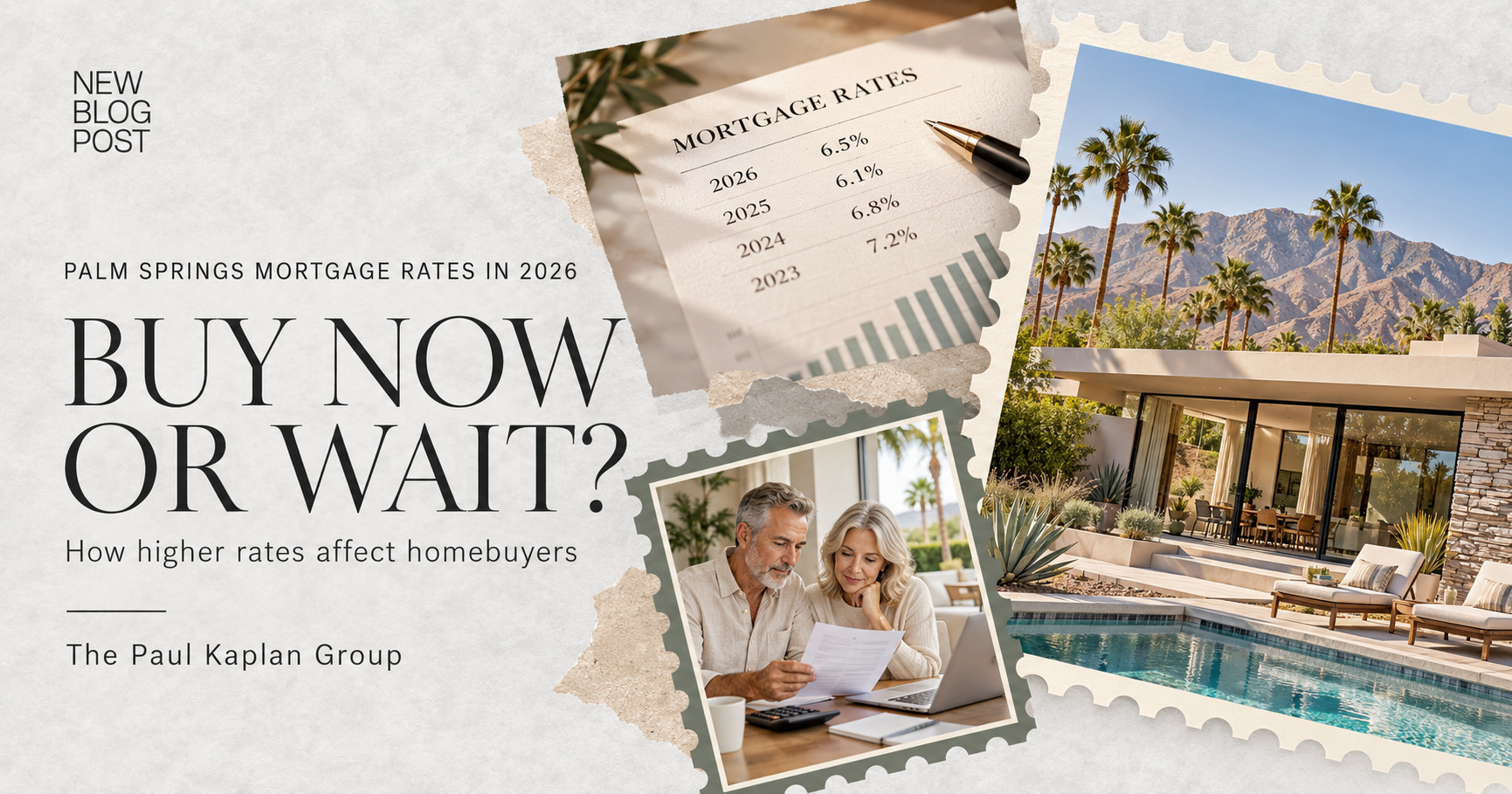
The median home price in Palm Springs, CA is approximately $740,000 as of early 2026. Prices vary widely depending on the neighborhood, the age of the property, and the specific architectural style. The local inventory includes everything from historic estates to newly constructed subdivisions.
Buyers will find a mix of older, historically significant properties and newer, low-maintenance developments. Understanding the local property types and ownership structures is an important step before making an offer. Working with an agent who knows the specific neighborhood zoning can save time during the search process.
Home Styles and Features
Mid-century modern single-family homes remain the most recognized property type in the city. These houses often feature private pools, walled courtyards, and drought-tolerant landscaping designed for the arid environment. The emphasis on indoor-outdoor living is a defining characteristic of residential design in the area.
Luxury condos and townhomes are also prevalent, offering an alternative for buyers who prefer shared amenities. Buyers should factor homeowners association dues into their monthly budgets when considering these attached properties. These fees often cover exterior maintenance, community pools, and landscaping services.
Ownership Rules and Land Leases
A unique aspect of the local real estate market is the presence of Indian lease land. Many homes in the area sit on land owned by the Agua Caliente Band of Cahuilla Indians, meaning buyers purchase the structure but lease the land beneath it. This arrangement is common and fully integrated into the local property market.
These leases typically run for several decades, but the terms dictate how the property can be financed and sold. Buyers should review the specific lease details and expiration dates with their real estate agent before signing a contract. Lenders often have specific requirements regarding the remaining duration of a land lease.
Schools, Medical Care, and Getting Around
The Palm Springs Unified School District serves over 20,000 students across several desert communities. The district operates multiple elementary, middle, and high schools within the city limits and the surrounding towns. Local education funding is supported by property taxes and state allocations.
Access to medical care and major transportation routes is a priority for many full-time residents. The city's infrastructure supports both the local population and the seasonal influx of winter visitors. Roadway maintenance and hospital expansions have kept pace with the growing number of year-round inhabitants.
Education and Healthcare Access
Students moving to the area enroll in the Palm Springs Unified School District. The district includes specialized magnet programs and career technical education pathways for high school students. These programs partner with local businesses to provide practical training in fields like healthcare and hospitality.
For medical needs, Eisenhower Health operates primary care clinics and urgent care centers directly in Palm Springs, CA. The main Eisenhower Medical Center campus is located a short drive away in Rancho Mirage, CA, providing comprehensive hospital services. This network of facilities ensures residents have access to routine and emergency care without leaving the valley.
Highway Connections
Interstate 10 serves as the primary transportation corridor for the region. The highway connects Palm Springs, CA directly to the employment centers of Los Angeles and Riverside counties. This route is essential for the transport of goods and for residents who occasionally commute to the coast.
While the city has its own international airport, most regional travel relies on the highway system. Commuters should expect heavier traffic on I-10 during weekend afternoons and major holiday periods. Planning drives around these peak travel times makes getting in and out of the valley much easier.
Frequently Asked Questions
What is Palm Springs, California best known for?
Palm Springs, CA is recognized worldwide for its extensive collection of mid-century modern architecture and its sunny desert climate. The area is also famous for natural hot springs, luxury spa resorts, and outdoor landmarks like the San Jacinto Mountains.
What can I do in Palm Springs for 3 days?
A three-day trip allows enough time to ride the Aerial Tramway, hike the palm oasis at Indian Canyons, and explore the shops along Palm Canyon Drive. Visitors often use one of those days to drive out to Joshua Tree National Park or tour the historic neighborhoods.
Selling Your Home?
Get your home's value - our custom reports include accurate and up to date information.