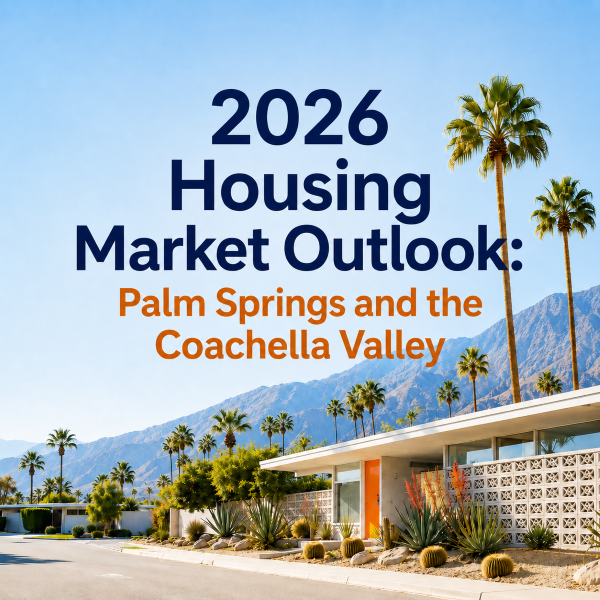

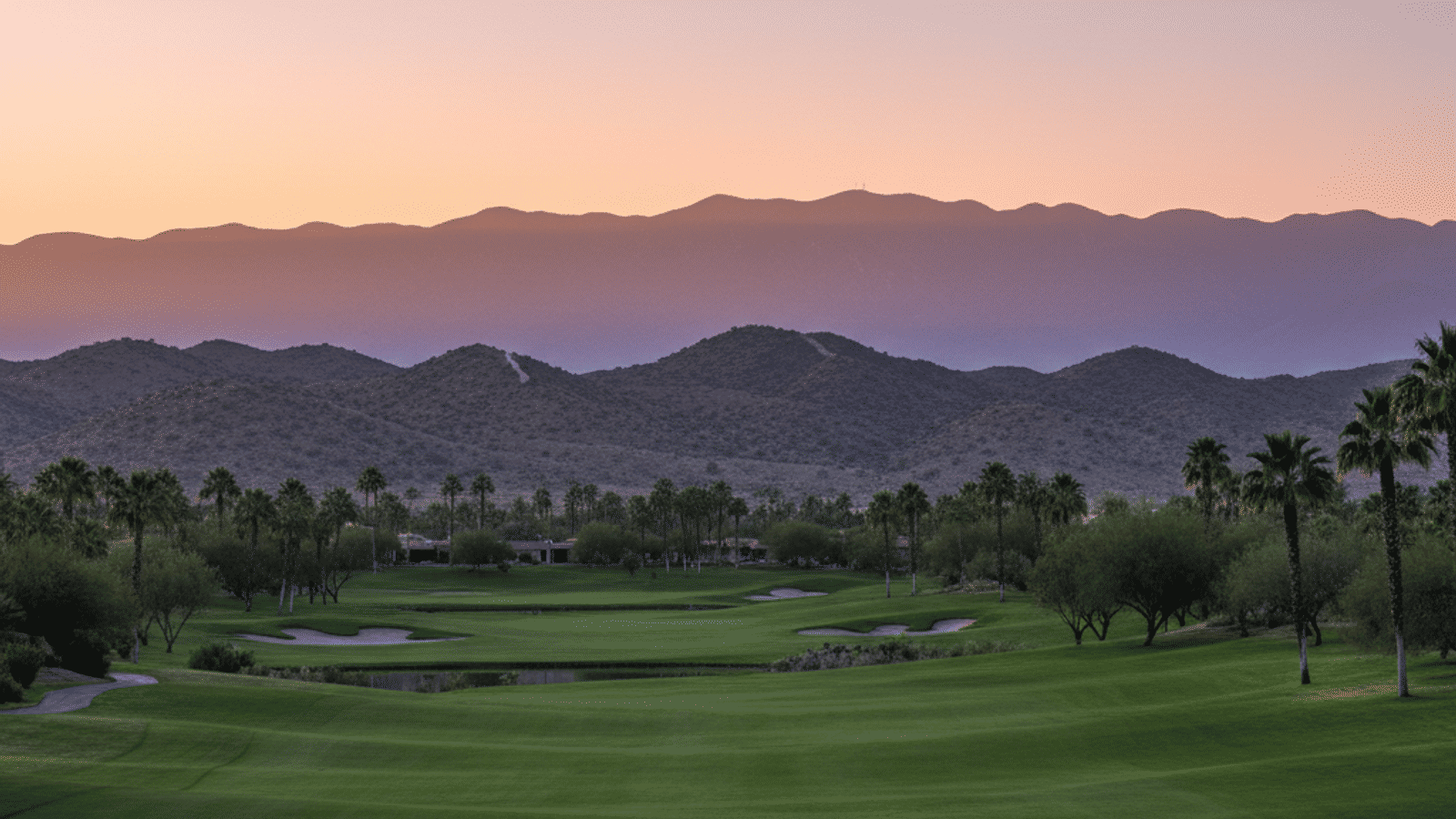
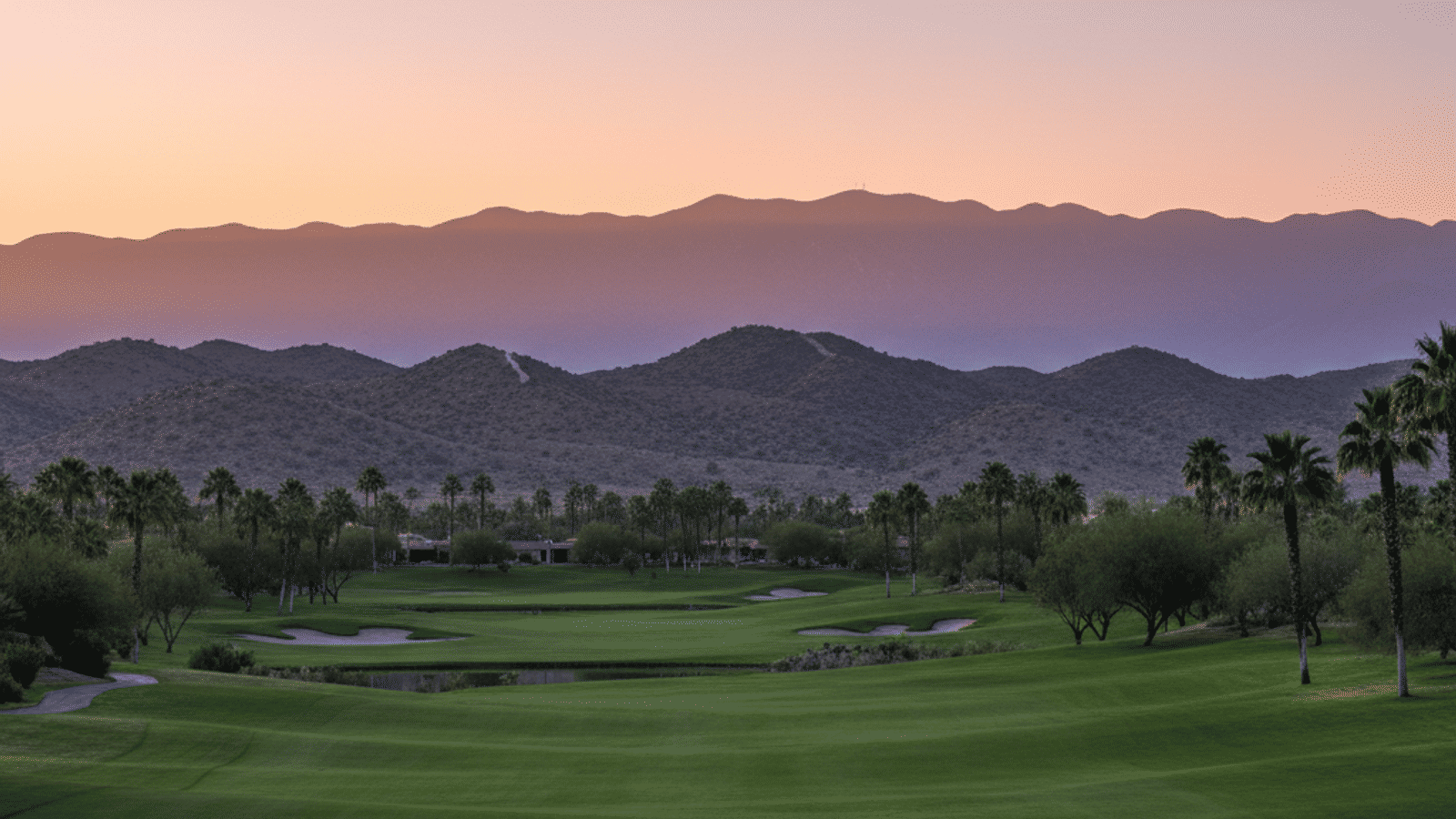
Deciding where to buy in the Coachella Valley often comes down to a choice between two very different vibes. On one hand, you could be living in Palm Springs, the iconic "brand name" of the desert—walkable, historic, and buzzing with energy. On the other, there's Rancho Mirage, often called the "Playground of the Presidents"—a sanctuary of gated privacy, lush golf courses, and an upscale, quiet atmosphere.
While both cities offer incredible mountain views and that famous dry heat, living in them feels distinct. Moving just twenty minutes down Highway 111 can completely change your daily rhythm, your monthly budget, and even how much wind hits your patio. Let’s break down the real differences so you can decide which side of the desert fits you best.
Real Estate Differences: Lease Land vs. Fee Simple
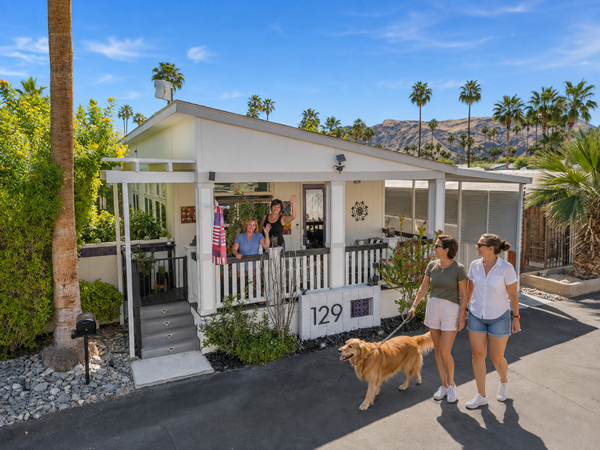
One of the first things you’ll notice when browsing listings is that real estate here operates a bit differently than in most of the country. This is especially true when moving to Palm Springs, which sits on a unique "checkerboard" map. Roughly 50% of the land in Palm Springs is Indian Lease Land, owned by the Agua Caliente Band of Cahuilla Indians.
When you buy a home on lease land, you are essentially purchasing the structure but renting the dirt underneath it. This often means the listing price looks significantly lower—sometimes 15% to 20% less than a comparable home elsewhere—but you will have a monthly land lease payment to factor into your budget. It’s a common arrangement here, but it does come with specific loan requirements and lease expiration dates to watch out for.
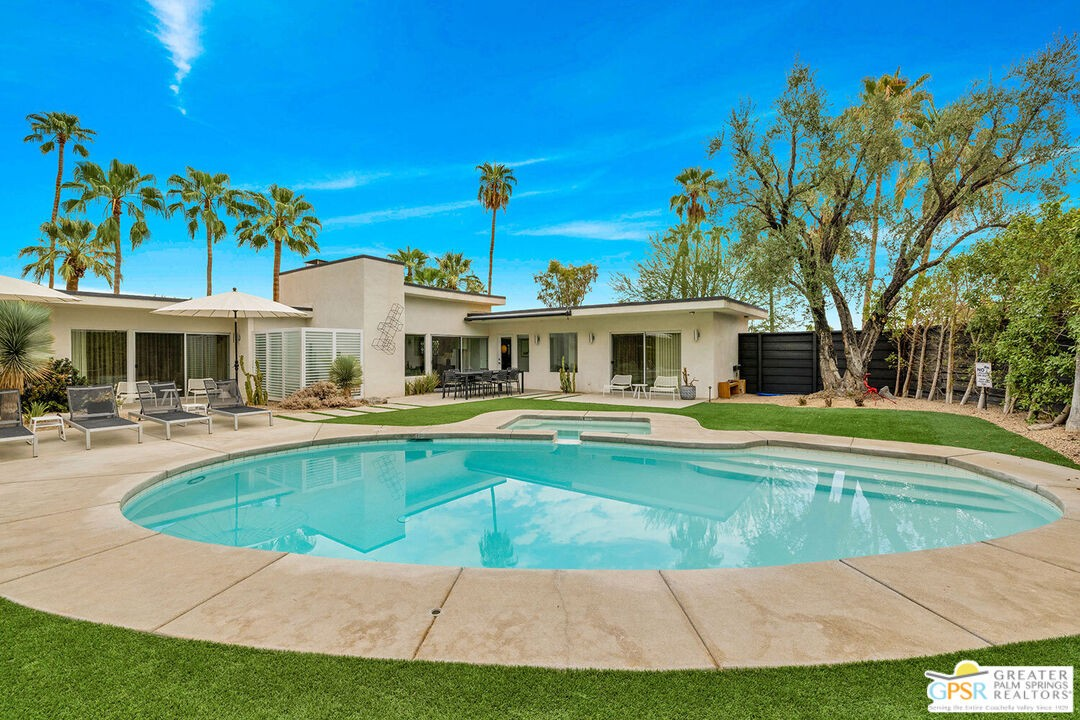
In contrast, Rancho Mirage is primarily "Fee Simple" territory. This is the traditional ownership model where you own both the house and the land it sits on. While there are small pockets of lease land in Rancho Mirage (mostly near the Mission Hills area), it is the exception rather than the rule. If you prefer a standard mortgage process without navigating land leases, looking at neighborhoods in Rancho Mirage might feel more familiar.
However, for those wanting to get into Palm Springs real estate market at a lower entry price, lease land can be a strategic way to afford more house for less upfront capital.
The Wind Factor: A Tale of Two Microclimates
If you ask a local about the biggest difference between these two cities, they won’t talk about taxes or restaurants first—they’ll talk about the wind. The geography of the valley plays a massive role in your outdoor comfort. Palm Springs sits closer to the San Gorgonio Pass, which acts as a natural funnel for wind coming off the ocean and through the mountains.
The north end of Palm Springs generally sees the strongest winds, where gusts can regularly exceed 20 to 30 mph on spring and early summer evenings. South Palm Springs offers much more protection, but it’s still breezier than the central valley.
Rancho Mirage, however, is tucked further southeast and sits closer to the Santa Rosa Mountains. This location provides significant shelter from the gusts that hit Palm Springs. The trade-off is that Rancho Mirage can feel hotter and "stiller" in the summer because you don’t get that cooling breeze. If you love dining al fresco without your napkins blowing away, Rancho Mirage is often the safer bet. If you enjoy a natural way to cool down after a 105-degree day, the Palm Springs breeze might be welcome.
Lifestyle & Amenities
Your daily lifestyle in these cities will look quite different depending on where you land. Palm Springs is anchored by Palm Canyon Drive, a vibrant, walkable strip lined with boutiques, bars, restaurants, Palm Springs schools, and mid-century modern tourism spots. It has a true "downtown" feel where you can grab coffee, browse a street fair, and head to a dinner spot without ever getting in a car. The vibe is eclectic, diverse, and energetic.
Rancho Mirage operates on a different frequency. It is a car-dependent environment that revolves around private country clubs and luxury resort amenities, such as the Omni or the Ritz-Carlton. Instead of a high street, social life often happens behind the gates of country clubs or at "The River," an outdoor dining and theater complex.
If you are looking for things to do in Rancho Mirage, you are likely looking at golf, fine dining, or high-end shopping near El Paseo in neighboring Palm Desert. It is a polished, manicured experience compared to the gritty, historic cool of Palm Springs.
Short-Term Rental Rules: What Investors Need to Know
For investors or second-home buyers hoping to offset costs with Airbnb income, the regulatory landscape is critical. As of 2022, Rancho Mirage has enforced an extremely strict ban on short-term rentals in residential zones. Generally, the minimum stay requirement is 28 to 30 days. This effectively removes the weekend vacation rental market from the equation, preserving the quiet, residential nature of the neighborhoods.
Palm Springs takes a different approach. Short-term rentals are regulated but allowed, provided you navigate the permit process. The city has caps on how many permits are issued per neighborhood (usually capped at 20% of homes) and enforces strict noise and trash ordinances to keep neighbors happy. If you are thinking about investing in Palm Springs real estate for cash flow, you have options here that simply don't exist in Rancho Mirage.
Cost of Living: HOAs, Taxes, and Monthly Budgets
When running the numbers, looking at the listing price alone can be deceiving. Rancho Mirage is famous for its "more house for the money" appeal—you can often find larger square footage and bigger lots than in Palm Springs for the same price. However, the monthly carrying costs in Palm Springs tell a different story.
Rancho Mirage is heavy on gated communities with lush golf courses and extensive landscaping. This results in HOA fees that can easily range from $600 to over $1,200 per month. A "cheaper" house can quickly become expensive when you add a $900 monthly HOA bill.
Palm Springs, by comparison, has a large stock of single-family homes with no HOA at all. While you will find condos and gated communities with fees, it is much easier to control your monthly fixed costs here. Both cities have similar property tax bases (roughly 1.1% to 1.25%), though Palm Springs does charge higher taxes on visitors (transient occupancy tax), which helps fund city services.
Retirement & Healthcare Access
For those not looking to enter the Palm Springs job market, access to top-tier healthcare often tips the scale in favor of the central valley. Rancho Mirage is home to Eisenhower Health, the premier medical facility in the region. Living in Rancho Mirage means you are often just minutes away from specialists, labs, and emergency care.
While Palm Springs has Desert Regional Medical Center, many residents find themselves driving to Rancho Mirage for specialized treatments or planned procedures. For those who prioritize proximity to healthcare, the convenience of living in gated communities in Rancho Mirage near Eisenhower Health is a major selling point.
The Verdict: Which City Fits You?
Choose Palm Springs if you want walkability, history, and energy. If you love mid-century architecture, want to walk to dinner, and don't mind a bit of wind in exchange for a vibrant atmosphere, this is your spot. It is ideal for those who want to feel connected to a community hub.
Go for Rancho Mirage if you prioritize privacy, space, and tranquility. If you are looking for a larger home on a quiet street, prefer a wind-protected backyard, and want easy access to golf and medical care, Rancho Mirage is likely the better fit. It is the choice for those who want their home to be a private retreat.
Frequently Asked Questions
Is Palm Springs windier than Rancho Mirage?
Yes, Palm Springs is significantly windier, especially in the north end near the I-10 corridor, due to the "wind tunnel" effect from the San Gorgonio Pass. Rancho Mirage is protected by the mountains and stays much calmer, though this can make it feel hotter in the summer.
Can I do Airbnb in Rancho Mirage?
Generally, no. Rancho Mirage has a near-total ban on short-term rentals in residential areas, requiring a minimum stay of roughly 28 days. If you are looking for vacation rental income, you are better off looking at homes for sale in Palm Springs where permits are available.
Does Rancho Mirage have a downtown?
Not really. Rancho Mirage doesn’t have a classic, walkable downtown street like Palm Canyon Drive in Palm Springs. Most people drive from place to place. When locals “go out,” it’s usually to The River (shops and restaurants), a resort, or a country club.
Why are HOA fees so high in Rancho Mirage?
A lot of neighborhoods here are gated and come with extras that cost money to run. Think 24/7 security, golf-course style landscaping, pools, and common areas that are kept looking perfect year-round. All that upkeep adds up, so HOA fees often land in the $600 to $1,200+ per month range depending on the community.
Is it better to retire in Palm Springs or Rancho Mirage?
It depends on the lifestyle you want. If you like being in the middle of things, walking to dinner, and having more nightlife and events nearby, Palm Springs is usually the better fit. If you want a quieter day-to-day, enjoy golf, and like being close to Eisenhower Health, Rancho Mirage tends to make more sense.