Choosing between the low desert and the high desert is the defining decision for anyone looking to buy property in Southern California. The contrast between these two adjacent regions goes far beyond elevation and climate. You are looking at entirely different lifestyles, property types, and regulatory environments that will dictate how you use your home.
Buyers often start their search thinking they just want a desert getaway, only to realize the markets operate on completely different frequencies. Whether you are looking for a primary residence, a seasonal retreat, or a vacation rental, understanding the local nuances is critical. The right choice depends heavily on your budget, your architectural preferences, and your long-term investment strategy.
Palm Springs vs Joshua Tree: 2026 Real Estate Market Overview
The financial landscape of the desert has stabilized significantly as we move through 2026. The median home price in Palm Springs currently hovers around $610,000 to $625,000, establishing a clear baseline for purchasing power in the Coachella Valley. Up the hill in Joshua Tree, buyers will find a more accessible entry point, with median prices ranging from $440,000 to $485,000.
Property taxes are a crucial factor for buyers comparing Riverside County and San Bernardino County. Both jurisdictions generally levy an ad valorem tax rate around 1.1% to 1.25% of the assessed value, plus local special assessments. The clear takeaway here is that your dollar stretches much further in the high desert, but the low desert offers more established equity growth and liquidity.
The Palm Springs Market
The Palm Springs real estate climate has seen a noticeable inventory expansion this year. Days on market have shifted, giving buyers more negotiating leverage than they had during the frenzied buying periods of the past. Buyers should expect to pay a steep premium for historic neighborhoods located within walking distance of downtown Palm Springs.
Condos remain a popular entry point, but single-family homes in prime zip codes continue to command top dollar. Sellers in these highly desirable pockets still hold the upper hand if their properties are updated.
The Joshua Tree Market
The high desert operates at a noticeably slower pace, with increased days on market becoming the norm in 2026. This slower velocity creates an excellent opportunity for investors and second-home buyers looking to negotiate favorable terms. The lower price point allows buyers to acquire substantial acreage that would be impossible to find down in the valley.
While the market has cooled compared to previous years, turnkey cabins near the Joshua Tree National Park entrances still move relatively quickly. Buyers willing to take on a renovation project will find some of the best values in San Bernardino County right now.
Distinct Property Types and Architecture
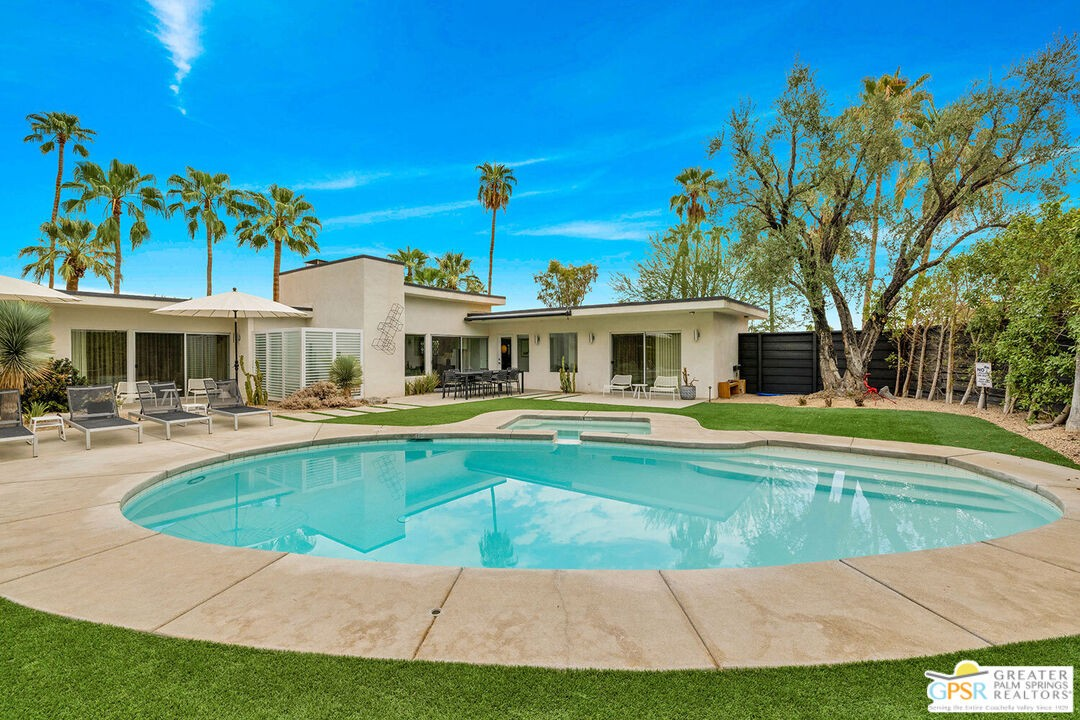
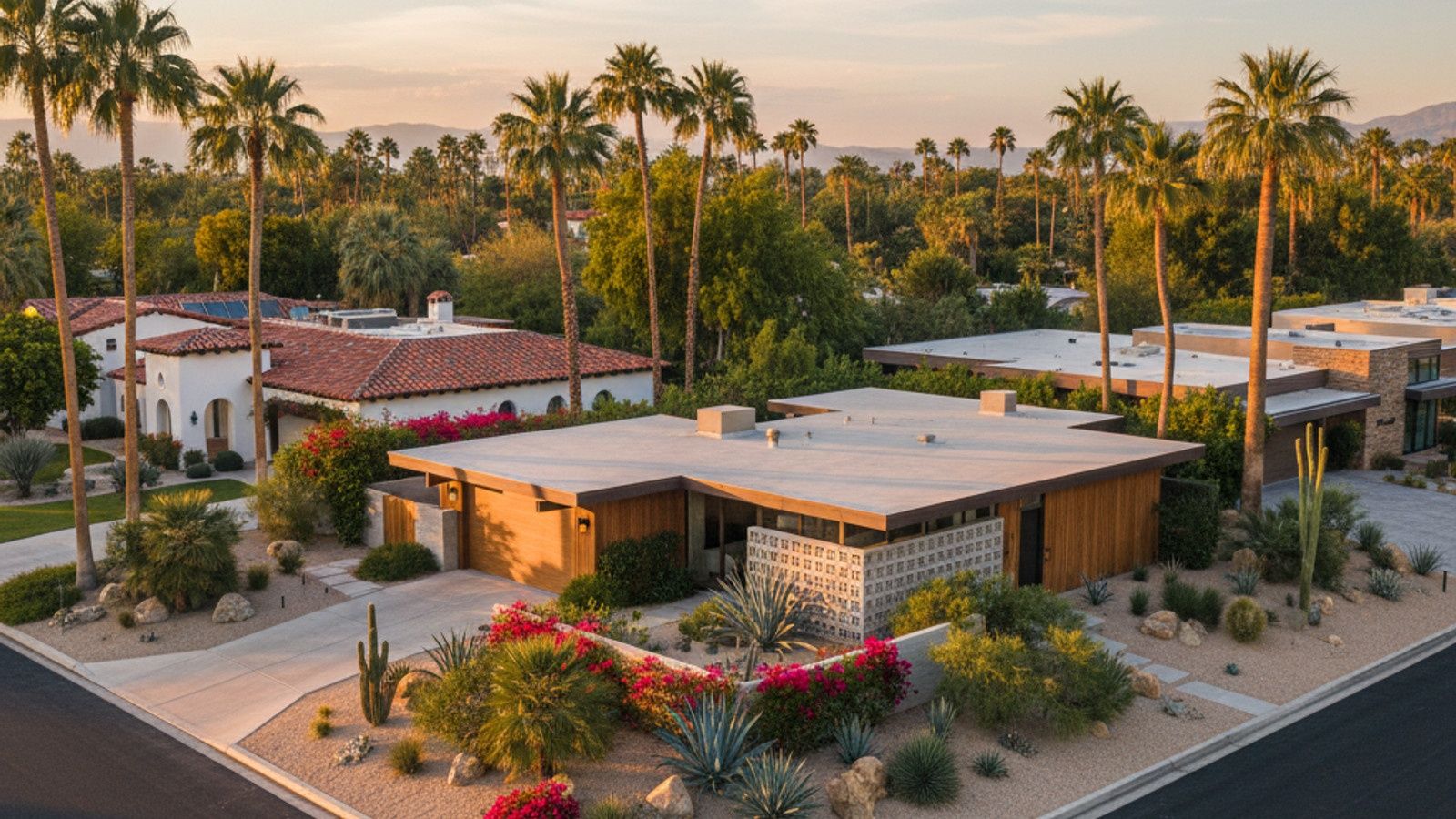
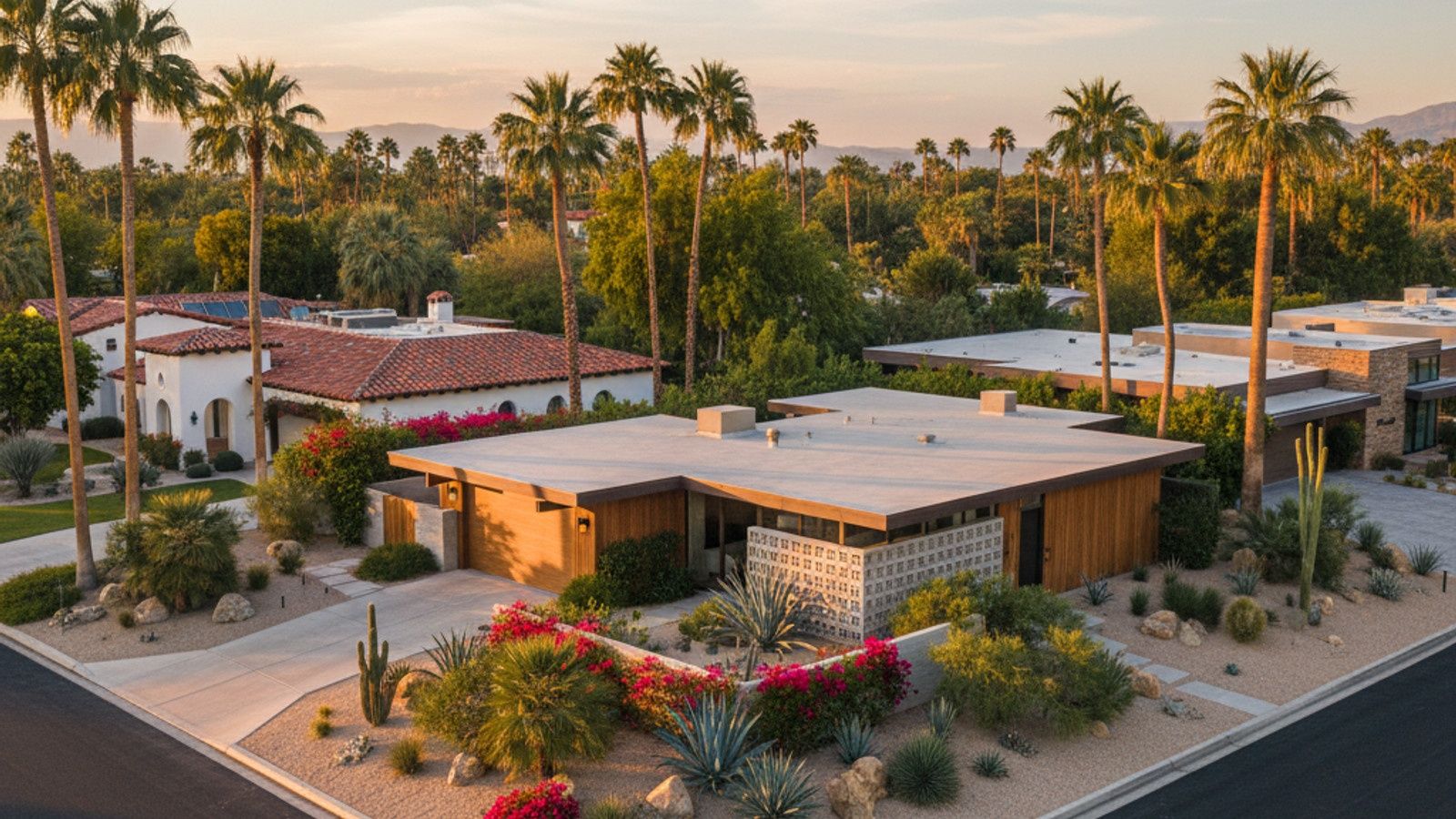
The architectural identity of these two regions could not be more different. Palm Springs is globally recognized for its mid-century modern architecture, characterized by flat roofs, walls of glass, and seamless indoor-outdoor living spaces. The city also features sprawling luxury condo communities and historic Spanish-style estates built during the early Hollywood era.
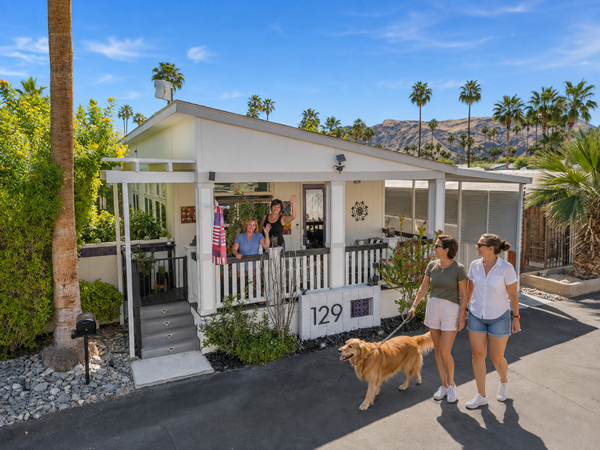
Joshua Tree offers a rugged, utilitarian approach to desert living. The landscape is dotted with off-grid cabins, traditional ranch-style homes, and properties boasting massive acreage. A critical takeaway for buyers is understanding land ownership - Palm Springs has a mix of fee simple and lease land, whereas Joshua Tree properties are almost entirely fee simple.
Purchasing on lease land in Palm Springs means you own the structure but lease the ground from the Agua Caliente Band of Cahuilla Indians. This arrangement often results in a lower purchase price but introduces monthly land lease fees and specific financing requirements. High desert buyers avoid this complexity, gaining outright ownership of their sprawling plots in Yucca Valley or Pioneertown.
Proximity to Amenities and Healthcare
Daily convenience varies drastically depending on your elevation. Palm Springs operates as a fully developed resort city with immediate access to regional hospitals, championship golf courses, and luxury hotels. The Palm Springs International Airport is located right in town, making travel exceptionally easy for seasonal residents and visiting guests.
Joshua Tree requires a more deliberate approach to daily living and errands. Residents rely heavily on Highway 62 to access local artisan shops, cafes, and the Joshua Tree National Park visitor center. While the town has basic necessities, high-level amenities and major commercial hubs are noticeably absent.
Access to healthcare is a defining factor that buyers must weigh carefully. Palm Springs offers comprehensive medical centers right in the city limits. Joshua Tree residents typically need to drive 30 to 45 minutes down the hill into the Coachella Valley for specialized medical care or major hospital access.
2026 Short-Term Rental Regulations and Zoning
Navigating the vacation rental landscape requires a deep understanding of local municipal codes. Palm Springs operates under strict guidelines, including a firm 20% cap on short-term rentals within any given neighborhood. Properties holding a full permit are limited to 26 rental contracts per year, and the city imposes an 11.5% Transient Occupancy Tax.
The city recently introduced a new junior permit option for 2026, which allows homeowners to host up to 6 contracts annually. This is an excellent middle ground for buyers who want to offset costs without running a full-time hospitality business. The overarching takeaway is that underwriting a Palm Springs investment requires precise calculation of these contract limits.
Unincorporated areas of San Bernardino County, including much of Joshua Tree, enforce their own distinct set of rules. There is no aggregate neighborhood cap, but the county mandates strict per-parcel density limits, allowing only one permit per parcel under two acres. Furthermore, these permits are non-transferable upon sale, meaning a new buyer must apply from scratch and pay the 7% local tax rate.
Frequently Asked Questions
What is the 2-hour rule in Palm Springs?
Historically, this referred to studio contracts requiring Hollywood actors to stay within a two-hour drive of Los Angeles. Today, locals use the term to describe a summer safety tip. Residents aim to avoid outdoor activities for at least two hours during the absolute peak afternoon heat.
Is Joshua Tree as hot as Palm Springs?
Joshua Tree is generally cooler than Palm Springs due to its higher elevation in the high desert. Summer temperatures in Joshua Tree often sit 10 to 15 degrees lower than the Coachella Valley. However, both areas still experience extreme summer heat and require robust air conditioning systems.
Can I Airbnb my house in Palm Springs or Joshua Tree?
Yes, but you must navigate strict local permitting processes. Palm Springs caps neighborhood density at 20% and limits full permits to 26 contracts per year. Joshua Tree allows rentals but restricts properties under two acres to a single permit, and the permit cannot be transferred when the property is sold.
When should you avoid visiting Palm Springs?
The peak summer months of July and August bring intense heat that often exceeds 110 degrees. Many seasonal residents leave during this time, and some local businesses reduce their hours. Buyers planning to use their property personally often avoid scheduling trips during this severe heat window.