
Choosing between Palm Springs and Indian Wells means deciding between two distinct Coachella Valley experiences. Buyers looking at desert real estate often start by comparing these two cities, but they quickly realize the housing markets operate differently. The decision ultimately comes down to your priorities regarding architecture, privacy, and community amenities.
As we move through the spring of 2026, inventory levels and local regulations have shifted in both municipalities. Understanding the gap in median home prices and the strict differences in short-term rental laws is essential for making an informed purchase. A closer look at the Palm Springs vs Indian Wells dynamic reveals exactly what you get for your money in each location.
Lifestyle and Atmosphere: Retro Cool vs. Country Club Elite
Palm Springs delivers a vibrant, walkable environment anchored by the bustling Palm Canyon Drive. The downtown area is known for its eclectic mix of boutique shops, patio restaurants, and the weekly VillageFest street fair. Residents here enjoy a lively arts scene and a constant influx of visitors that keeps the local economy buzzing.
Indian Wells operates on a completely different frequency, offering a sleepy, resort-style atmosphere focused on quiet luxury. The city prioritizes privacy, with much of the residential life tucked behind the gates of expansive country clubs. Instead of a bustling downtown, the social scene revolves around world-class golf courses, luxury spas, and the Indian Wells Tennis Garden.
The stark contrast in daily pace dictates the types of commercial amenities available in each city. Buyers seeking nightlife and diverse dining options usually gravitate toward Palm Springs. Those who prefer tranquil evenings and exclusive community events find Indian Wells to be a much better fit for their lifestyle.
Real Estate Comparison: Housing Stock and Median Prices
The financial commitment required to purchase property varies dramatically between these two desert cities. As of mid-2026, Palm Springs median home prices generally range from approximately $620,000 to $720,000. This entry point provides access to a wide variety of neighborhoods, from historic districts to newer developments.
Purchasing in the eastern end of the valley requires a significant premium. Indian Wells median home prices currently sit much higher, ranging between $1,200,000 and $1,400,000. This higher baseline price reflects the prevalence of massive lots, premium golf course frontage, and exclusive gated communities.
Palm Springs, CA Property Types and Architecture Styles
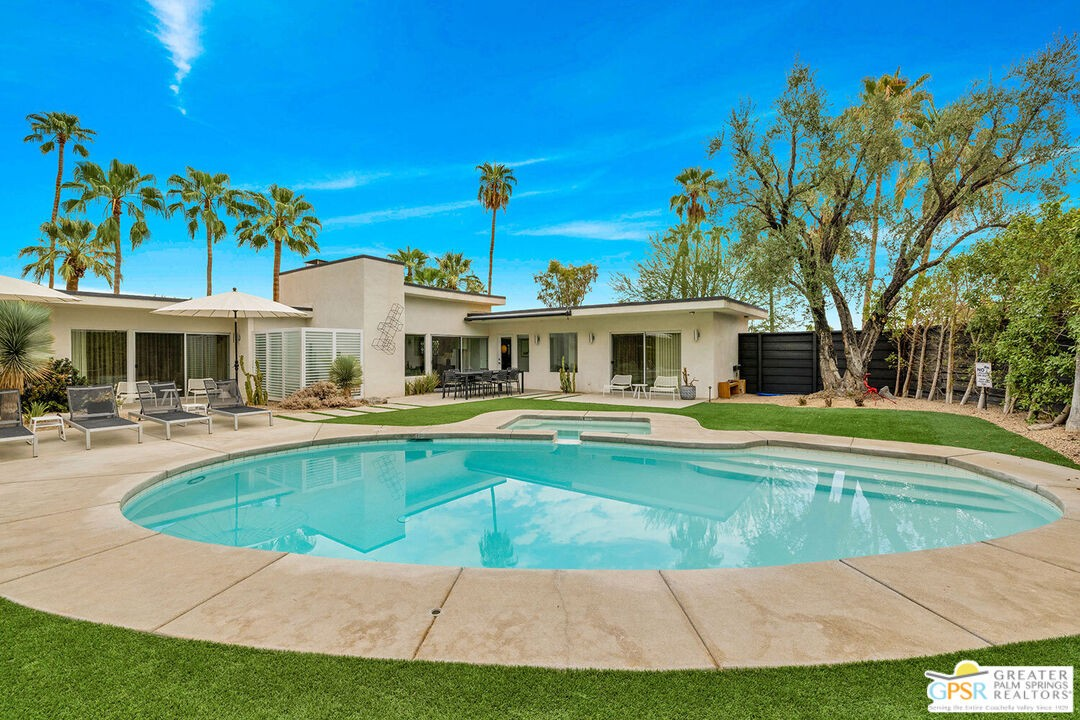
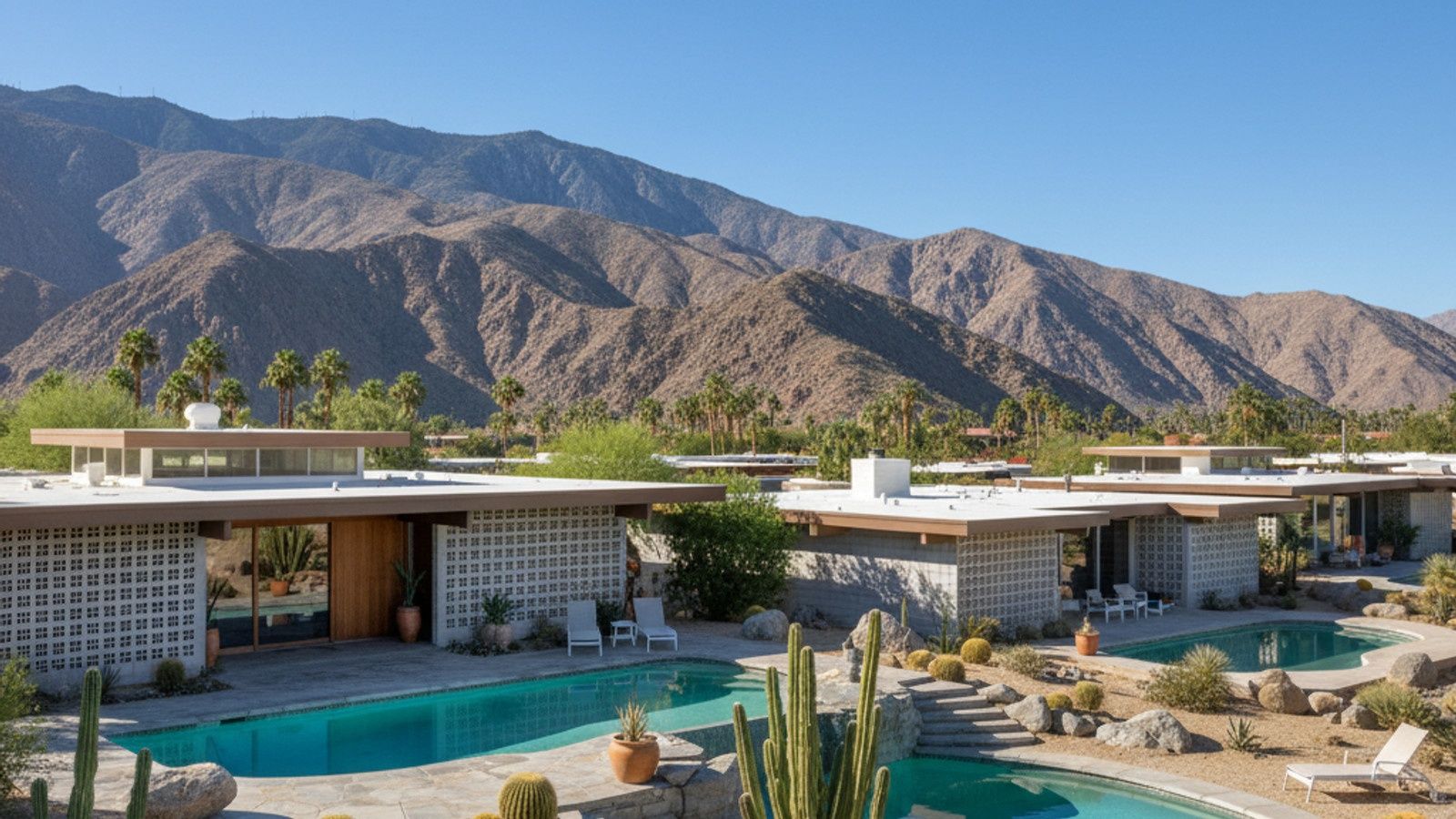
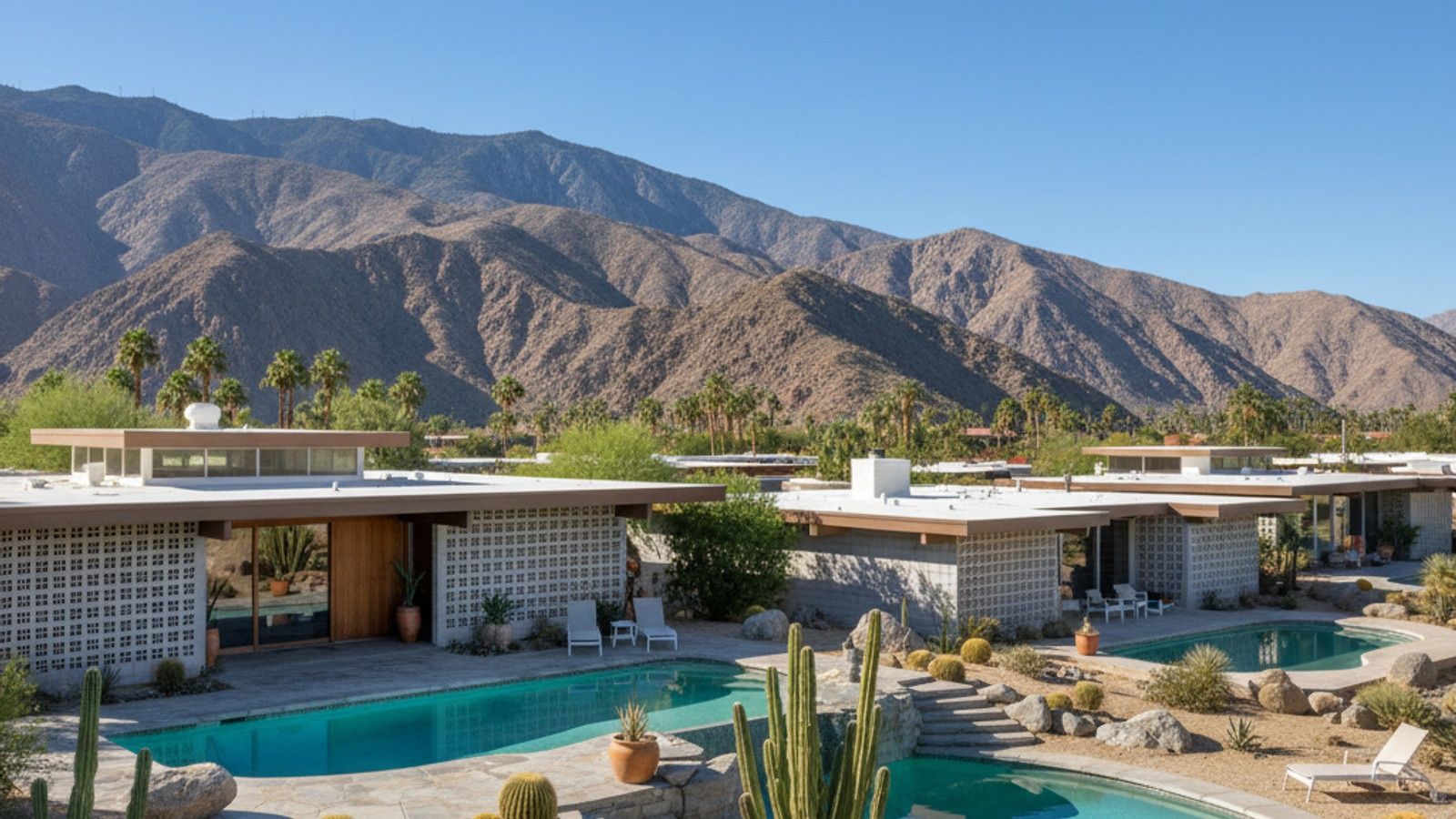
Palm Springs is globally recognized for its heavy concentration of mid-century modern architecture. Buyers will find an abundance of 1950s and 60s standalone homes featuring flat roofs, breeze blocks, and seamless indoor-outdoor living spaces. Many of these properties boast private swimming pools and drought-tolerant desert landscaping.
A major defining characteristic of the Palm Springs market is the high volume of non-HOA neighborhoods. This appeals directly to buyers who want complete control over their property exterior and landscaping choices.
Indian Wells, CA Golf Courses and Community Amenities
The housing stock in Indian Wells is defined by master-planned luxury estates and high-end golf course condos. Architectural styles here lean heavily toward Mediterranean and contemporary desert designs rather than retro modernism. Properties typically feature expansive lot sizes and meticulously maintained streetscapes.
Living here means your residential property is usually integrated with resort-level amenities. Homeowners frequently have immediate access to world-class golf courses, private clubhouses, and professional-grade tennis facilities right outside their doors.
The Cost of Ownership: HOAs and the Resident Benefit Card
Ongoing carrying costs look very different depending on which city you choose. Because Indian Wells is dominated by master-planned gated communities, buyers must budget for substantial monthly HOA fees. These fees cover the extensive landscaping, security gates, and premium community amenities that define the local lifestyle.
Palm Springs homeowners often face lower monthly carrying costs, particularly in the older, non-gated neighborhoods. However, these owners must budget for independent maintenance, including private pool care and individual landscaping services.
Indian Wells residents do receive unique municipal perks to offset some of their local spending. The city offers an exclusive Resident Benefit Card, which transitioned entirely to a virtual format in 2026. This digital card provides robust discounts at the Indian Wells Golf Resort, local luxury hotel spas, and the Indian Wells Tennis Garden.
The 2026 virtual program costs approximately $45 for the Golf Card and $5 for the Social Card. These resident-only benefits add tangible value for homeowners who actively utilize the local resort amenities.
Investment Potential: Short-Term Rental Rules in 2026
Regulations regarding vacation rentals are a major deciding factor for buyers looking to generate income from their desert property. Palm Springs operates under a strict 20 percent neighborhood density cap for short-term rentals. Full permits in the city are limited to 26 rental contracts per year, requiring careful calendar management from owners.
Buyers in Palm Springs also have the option to apply for a junior permit. This specific license allows for up to six rental contracts annually and does not count toward the neighborhood density cap. This is a practical solution for owners who only want to lease their property during major events like the Coachella music festival.
Indian Wells takes a completely different regulatory approach to investment properties. The city largely prohibits traditional short-term rentals, generally requiring minimum stays of 29 days or more for leased properties. Buyers looking for high-turnover Airbnb investments will find Indian Wells highly restrictive.
Local Amenities, Healthcare, and Education
Both cities provide excellent infrastructure, but their geographical locations dictate which facilities residents use most often. Palm Springs offers immediate proximity to the Palm Springs International Airport, making air travel highly convenient. Indian Wells residents must drive roughly 30 minutes to reach the same airport terminals.
Access to medical care is a critical infrastructure consideration for desert buyers. Palm Springs is home to the Desert Regional Medical Center, a major facility providing comprehensive emergency and specialized care. Indian Wells residents typically utilize nearby facilities in neighboring Palm Desert or Rancho Mirage for their healthcare needs.
The public education infrastructure is divided between two distinct administrative bodies. Properties in Palm Springs fall under the jurisdiction of the Palm Springs Unified School District. Meanwhile, Indian Wells addresses are zoned for the Desert Sands Unified School District.
Geography, Weather, and Commute Times
While both cities share the Coachella Valley, they are separated by approximately 16 miles of desert landscape. Driving between the two municipalities via Highway 111 typically takes 30 to 45 minutes due to the heavy volume of traffic lights. Taking Interstate 10 offers a faster route, usually bringing the commute down to 25 to 30 minutes.
The physical distance also creates noticeable micro-climate variations between the two areas. Palm Springs sits tucked against the San Jacinto Mountains and is located much closer to the San Gorgonio Pass. This specific geographical positioning makes Palm Springs notably windier than cities further east in the valley.
Indian Wells benefits from a more sheltered position within the valley floor. The reduced wind exposure is a significant selling point for buyers who plan to spend extensive time entertaining on their outdoor patios.
Frequently Asked Questions
Is Indian Wells more expensive than Palm Springs?
Yes, purchasing property in Indian Wells requires a significantly higher budget. The 2026 median home price in Indian Wells sits above $1,200,000, while Palm Springs median prices hover around the $620,000 mark. This price gap reflects the prevalence of luxury estates and golf course properties in Indian Wells.
Are Indian Wells and Palm Springs the same place?
They are entirely distinct municipalities located within the Coachella Valley. The two cities are situated roughly 16 miles apart from each other. Palm Springs anchors the western edge of the valley, while Indian Wells is located further east.
Is it windier in Palm Springs or Indian Wells?
Palm Springs experiences significantly more wind due to its geographical location. The city sits close to the San Gorgonio Pass, which acts as a natural wind tunnel. Indian Wells is located further down the valley and remains much more sheltered from these strong gusts.
What is the Indian Wells Resident Benefit Card?
This is an exclusive municipal program offering local discounts to property owners. The 2026 virtual card provides reduced rates at the Indian Wells Golf Resort, local hotel spas, and the Indian Wells Tennis Garden. The digital golf card costs $45, while the social card is available for just $5.