The market for Palm Springs homes for sale is in a different place than it was a few years ago. Inventory is up, pricing power has shifted, and buyers who sat on the sidelines during the boom are finding the landscape considerably more interesting. If you're buying or selling here in 2026, the numbers tell a pretty clear story - and understanding them before you make a move matters.
Current State of the Palm Springs Housing Market
Right now, Palm Springs favors buyers. The Desert Area MLS, operated by the California Desert Association of REALTORS, shows roughly 775 active listings across the city. That's real selection - the kind of inventory that lets you be deliberate rather than desperate.
Sellers are feeling it. The average sale-to-list ratio is sitting around 97%, meaning most homes are selling slightly below asking. Only about 6% of homes are closing above the original list price. That's a long way from the frantic bidding wars of a few years back.
Active Listings and Selling Times
The median days on market is currently 67 days. That's actually better than the 77-day average from last year, though it's still a pace that demands patience from sellers. With 5.8 months of supply available, the market is hovering near balanced territory - but leaning buyer. If you're selling and you're not priced right on day one, you'll feel every one of those 67 days.
Home Prices and Property Values in Palm Springs, CA
The median sale price for a home in Palm Springs is approximately $656,000 as of May 2026, a modest year-over-year increase of about 2.6% based on recent MLS data. During that same period, 133 homes closed.
That 2.6% bump sounds encouraging until you look at the broader picture. The Zillow Home Value Index places the average Palm Springs home value at roughly $620,302 - down 5.4% over the past year. These two figures pointing in opposite directions isn't a contradiction so much as a reflection of a market sorting itself out. Certain property types are holding their value; others are correcting. Knowing which category your target home falls into is the whole game.
Price Per Square Foot Trends
The median sale price per square foot is currently $385, a 12.9% decrease compared to last year. For buyers, that means you're getting measurably more space for your dollar than you were twelve months ago. For sellers listing larger single-family homes, that trend needs to be built into your pricing from the start - not discovered after three months on market.
Affordability and the Local Cost of Living
The median household income for Palm Springs residents was $73,119 in 2024, according to U.S. Census Bureau data. Set that next to a $656,000 median home price and the affordability gap speaks for itself.
For buyers relying on local wages, you're likely looking at a substantial down payment, dual income, or both to make the numbers work on a mortgage. That's the reality of this market for full-time residents, and it's worth being clear-eyed about before you start shopping.
Property Types and Options
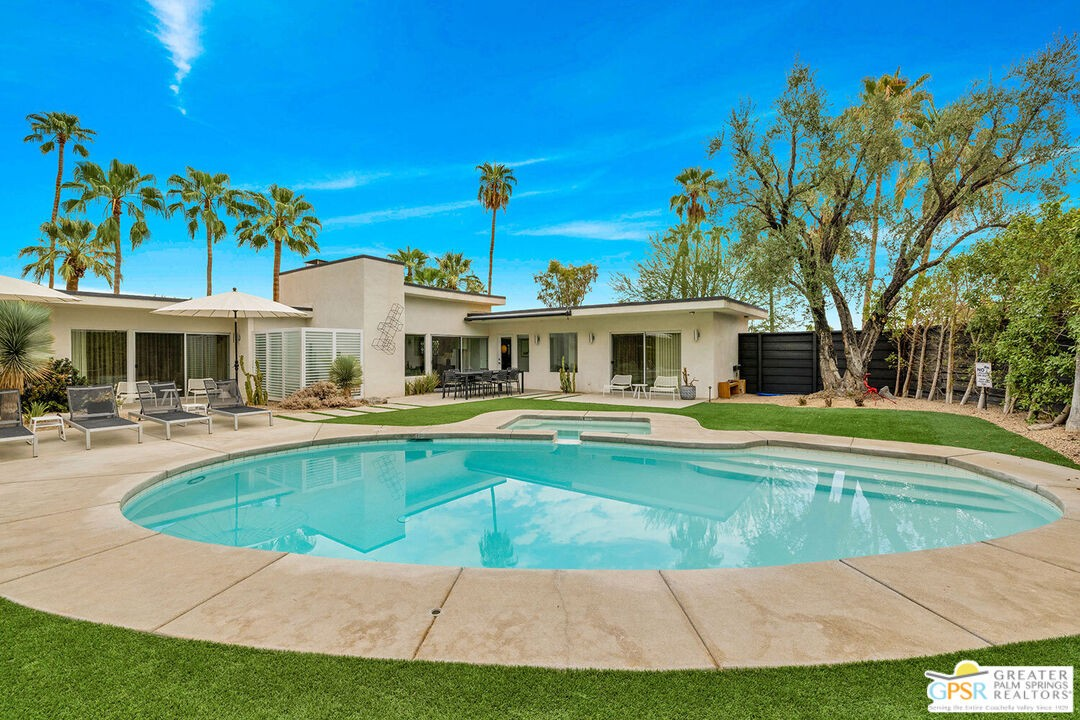
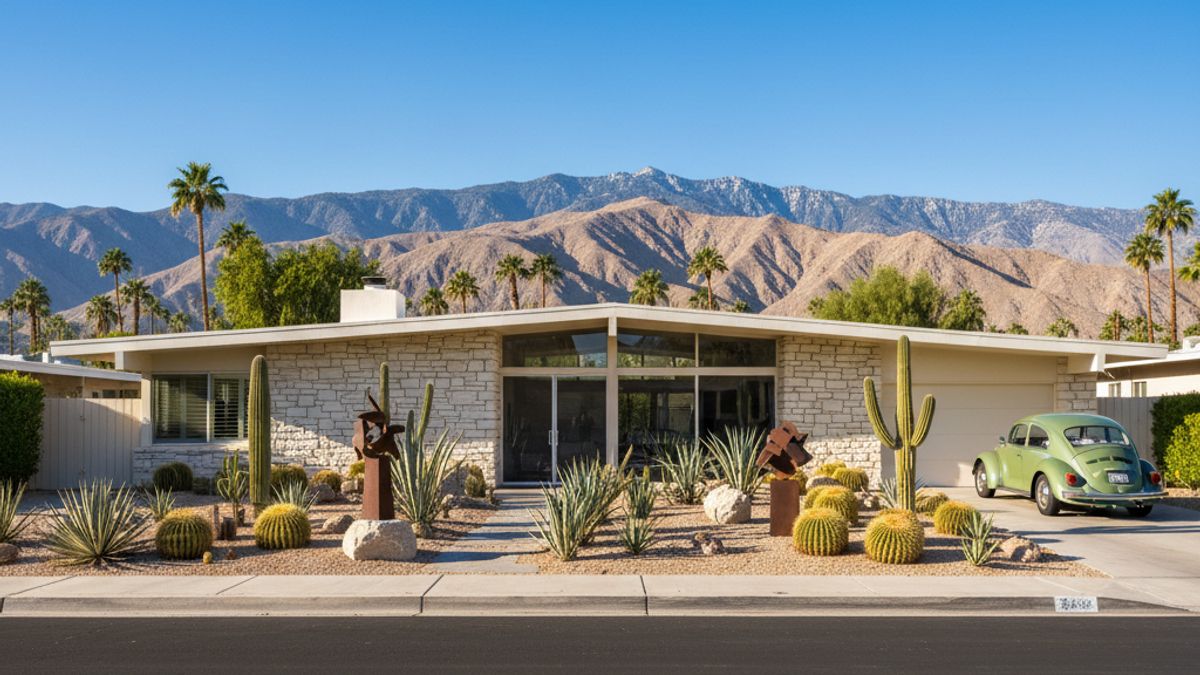
Palm Springs offers a genuine range - historic mid-century modern estates, newer construction, and condo complexes that offer a lower point of entry. Single-family homes in desirable neighborhoods typically run well above the citywide median, which surprises some buyers who anchor to that $656,000 figure.
Condos can make sense if detached homes are out of reach, but go in with your eyes open about HOA dues. Those monthly fees can meaningfully affect what you actually qualify for and what the total cost of ownership looks like.
Tips for Buying and Selling in Palm Springs
Seasonality is real here in a way it isn't in most markets. Palm Springs is a major winter destination, and the Coachella Valley sees a genuine influx of seasonal residents and vacationers during the cooler months. That activity shows up in real estate.
If you're a seller, listing in the peak of summer means a smaller pool of active buyers - and that lines up directly with the current 67-day median. Fall and early winter give you traffic. Summer tests your patience. Plan accordingly.
Working With Local Real Estate Agents
You want someone connected to the Greater Palm Springs Realtors Association or plugged directly into the Desert Area MLS - an agent with access to localized data covering Palm Springs, Palm Desert, and La Quinta, not just someone with a license who's covering the whole Inland Empire.
The mixed year-over-year pricing signals here require interpretation, not just a data dump. A good local agent helps you understand what the numbers mean for your specific situation - and if you're selling, keeps you from overpricing, which remains one of the most reliable ways to watch your home sit.
Frequently Asked Questions
How do Palm Springs short-term rental neighborhood caps affect my ability to buy an Airbnb investment property?
It depends on the specific neighborhood. Buyers should verify the current permit density directly with the city, as caps limit where new short-term rentals can operate.
What happens to my mortgage options if a Palm Springs property sits on Indian lease land with less than 30 years remaining?
It becomes very difficult to secure a traditional mortgage. Lenders typically require the remaining lease term to exceed the length of the loan by a certain number of years.
When is the best time of year to list a home for sale in Palm Springs, CA to maximize offers from winter snowbirds?
The best time to list is typically in the fall or early winter. This timing aligns with the arrival of seasonal residents and vacationers in the Coachella Valley, increasing the pool of potential buyers.
How much should I budget for summer cooling costs and year-round pool maintenance for a standard Palm Springs home?
It depends on the size of the home and the pool. Buyers should request past utility bills from the seller to get an accurate picture of summer cooling costs.
Are HOA fees generally higher in Palm Springs golf communities compared to neighboring Coachella Valley cities?
HOA fees vary widely depending on the amenities offered. Buyers should review the specific community's governing documents and fee schedule, as golf course maintenance often drives up monthly costs.
Do I need special hazard insurance when buying a house in Palm Springs, CA due to local earthquake fault lines?
Yes, standard homeowners insurance policies do not cover earthquake damage. Buyers should purchase a separate earthquake insurance policy to protect their property in this region.