
.jpg)
Deciding between Palm Springs, CA, and Palm Desert is the most common crossroads for buyers entering the Coachella Valley market. Both cities anchor the region with distinct architectural identities, regulatory environments, and lifestyle amenities.
The 2026 housing landscape requires buyers to look past the resort aesthetics and examine hard data. Understanding the structural differences in property types, homeowner association structures, and municipal ordinances is essential for making a sound real estate investment.
Evaluating Palm Springs vs Palm Desert Real Estate in 2026
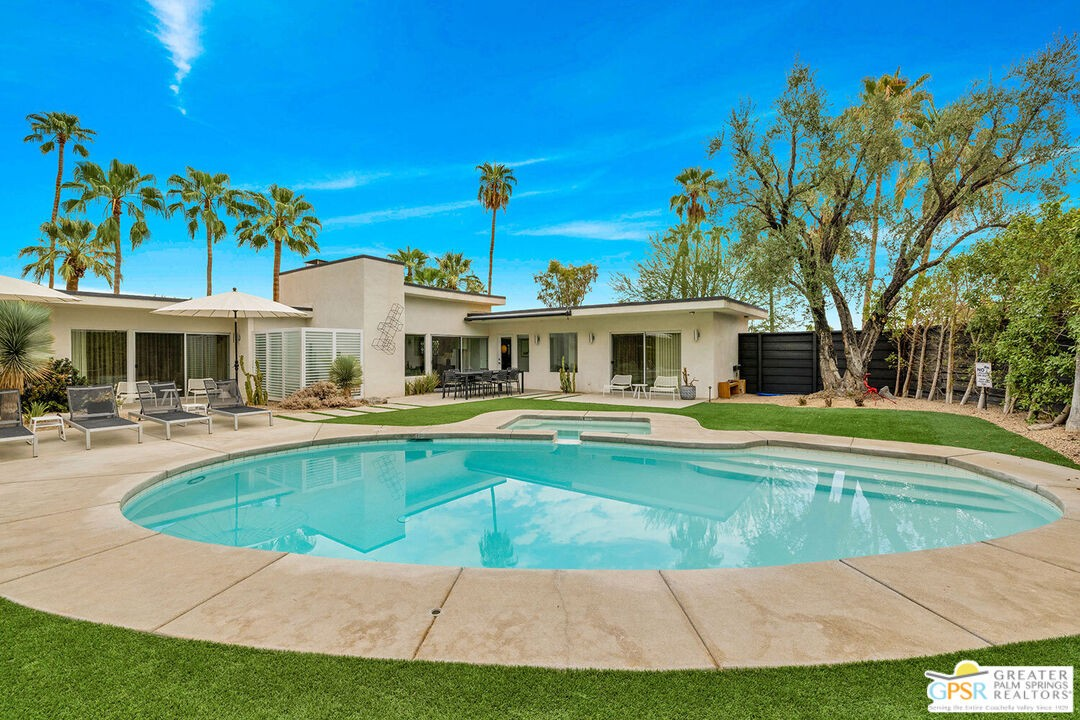
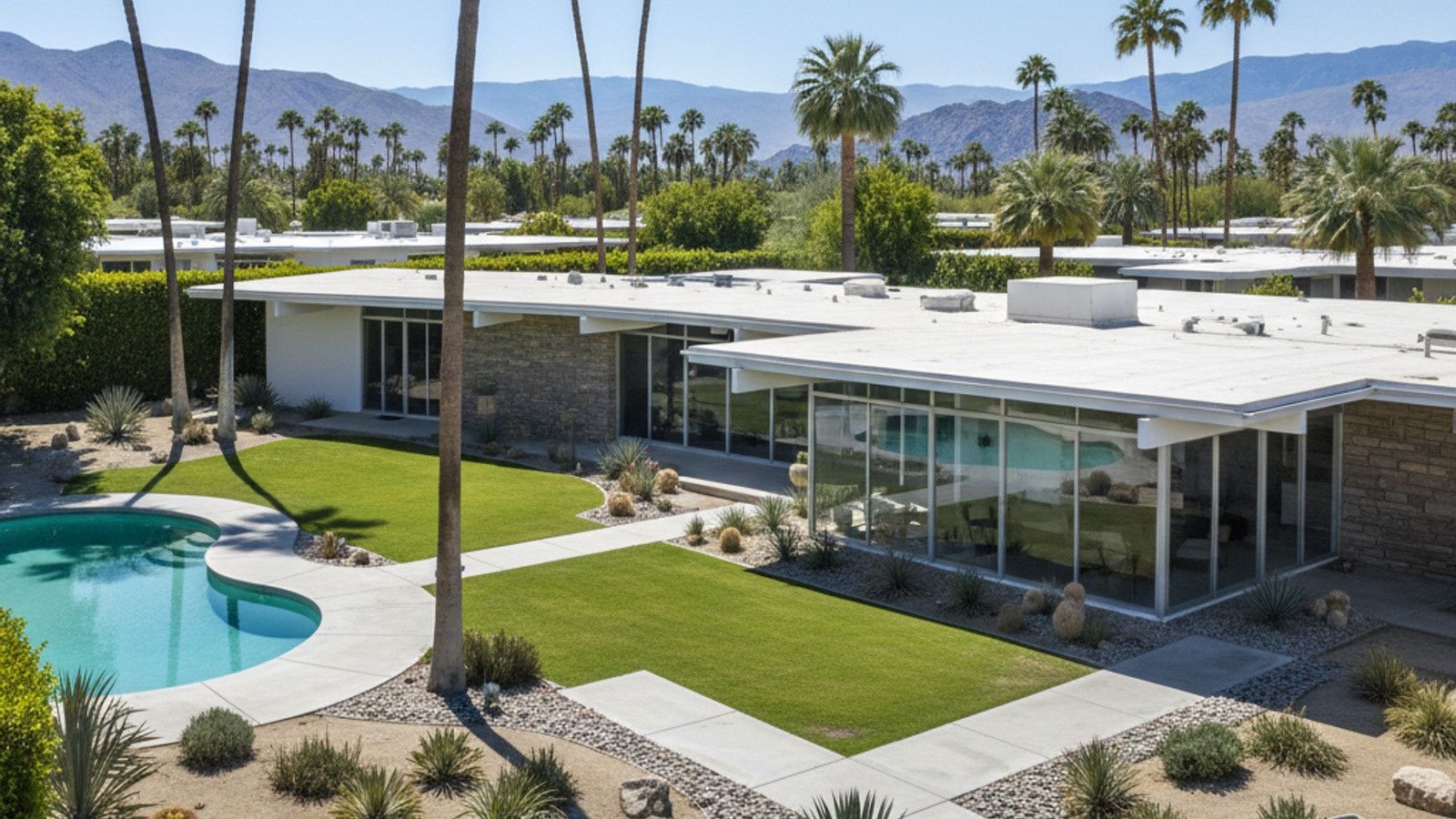
The Coachella Valley market has stabilized into a predictable pattern this year, clearly dividing buyer preferences between these two primary hubs. Palm Springs continues to command attention for its high-demand mid-century modern estates and historic neighborhoods.
Palm Desert offers a starkly different inventory profile dominated by master-planned communities and extensive golf course condominiums. This structural difference in housing stock dictates the baseline expectations for lot sizes, architectural conformity, and ongoing maintenance costs.
Buyers must align their property search with their long-term ownership goals. Those seeking standalone historic properties generally gravitate westward, while buyers prioritizing gated amenities find better alignment in the central valley.
Current Real Estate Market Trends and Property Types
Median sales prices establish a clear hierarchy between the two municipalities. Palm Springs maintains a notable premium, with median home prices ranging from approximately $610,000 to $660,000. Prime architectural neighborhoods in the city frequently see valuations pushing past the $850,000 mark for renovated properties.
Palm Desert presents a lower barrier to entry for buyers focused on square footage and community amenities. Median home prices here sit between $550,000 and $599,000. The inventory relies heavily on new developments, gated communities, and golf course condos rather than standalone single-family homes.
Days on market typically stretch slightly longer in Palm Desert due to the higher volume of comparable condominium units available. Palm Springs inventory remains tighter, particularly for homes retaining original 1950s architectural elements. The clear takeaway is that Palm Desert delivers more square footage per dollar, while Palm Springs offers architectural scarcity.
Comparing the Cost of Living and HOA Fees
The ongoing costs of homeownership diverge sharply when comparing these two markets. Palm Desert is synonymous with Homeowners Associations, as the vast majority of its housing stock exists within gated or master-planned boundaries. Buyers can expect monthly HOA fees ranging from $400 to over $1,000 in these golf communities.
These assessments generally cover exterior landscaping, community security, pool maintenance, and sometimes private road upkeep. Palm Springs has a much higher concentration of non-HOA neighborhoods. Buyers purchasing a standalone mid-century home avoid these monthly dues but must budget independently for private pool maintenance and desert landscaping.
Property taxes across Riverside County sit at a baseline of approximately 1.25%, but local assessments vary by neighborhood. Palm Desert buyers often encounter Mello-Roos taxes in newer developments, which fund local infrastructure projects. For buyers looking to minimize recurring fixed costs outside of their mortgage, older Palm Springs neighborhoods generally offer the cleaner financial profile.
Navigating Short-Term Rental Regulations for Investors
The regulatory environment for vacation rentals in the Coachella Valley is highly restrictive and strictly enforced. Palm Springs operates under a strict 20% neighborhood density cap for short-term rental permits. Full permit holders in the city are also limited to a maximum of 26 rental contracts per calendar year.
Palm Desert has taken an even firmer stance on transient occupancy. The city prohibits short-term rentals entirely in R1 and R2 residential zones unless the property is owner-occupied. Furthermore, off-site short-term rentals in specific zones like HPR and RE are actively being phased out by the end of 2026 and early 2027.
Investors must also navigate individual community bylaws, as Palm Desert HOA rules frequently override city ordinances to impose strict 30-day minimum rental periods. Both cities collect transient occupancy taxes, with Palm Springs at 11.5% and Palm Desert at 11%. Palm Springs remains the only viable option for investors seeking a traditional, non-owner-occupied seasonal rental strategy.
Educational Infrastructure and School Districts
Public education in the region is managed by two distinct administrative bodies based on geography. Palm Springs falls under the jurisdiction of the Palm Springs Unified School District. This district covers the western portion of the Coachella Valley and manages multiple elementary, middle, and high school campuses.
Palm Desert is served by the Desert Sands Unified School District. The district boundaries encompass the central valley, providing local enrollment options for residents in master-planned communities.
Higher education infrastructure is primarily concentrated in the central valley. The College of the Desert maintains its main campus directly in Palm Desert. Buyers prioritizing proximity to these specific educational facilities often focus their property search along the Highway 111 corridor.
Local Amenities, Shopping, and Outdoor Recreation
The commercial and recreational identities of these cities cater to entirely different lifestyle preferences. Downtown Palm Springs is highly walkable, featuring a dense concentration of boutique hotels, independent restaurants, and the Palm Springs Art Museum. Residents also have immediate access to the Palm Springs Aerial Tramway and the rugged trail systems of Tahquitz Canyon and the Indian Canyons.
Palm Desert serves as the primary retail and commercial hub for the entire Coachella Valley. The city is anchored by El Paseo, a luxury shopping district widely recognized as the Rodeo Drive of the desert. The Living Desert Zoo and Gardens provides a massive botanical and zoological park focused on desert conservation.
Golf infrastructure is heavily skewed toward the central valley. Palm Desert boasts dozens of championship golf courses integrated directly into its residential neighborhoods. Buyers seeking a walkable urban environment will prefer Palm Springs, while those focused on premium retail and golf access will find Palm Desert superior.
Transportation, Commutes, and Accessibility
Navigating the Coachella Valley relies heavily on two primary arteries - Interstate 10 and California State Route 111. The distance between the two cities is approximately 12 to 15 miles. Driving between the downtown centers typically takes 25 to 35 minutes depending on seasonal traffic patterns.
Palm Springs offers superior logistical convenience for frequent travelers. The Palm Springs International Airport is located minutes from the downtown core, making outbound flights exceptionally accessible. The city also provides better local transit options and dedicated cycling lanes for residents who prefer to minimize driving.
Palm Desert requires a vehicle for almost all daily errands and commutes. The sprawling nature of the master-planned communities and the layout of the commercial centers do not support a pedestrian-heavy lifestyle. Buyers who travel frequently for work generally find the proximity to the airport in Palm Springs to be a decisive factor.
Frequently Asked Questions
How do property prices compare between Palm Springs and Palm Desert?
Palm Springs maintains a higher price point, with median home values ranging from $610,000 to $660,000. Palm Desert offers a lower median price between $550,000 and $599,000. Buyers generally secure more square footage for their budget in Palm Desert.
What is the distance between Palm Springs and Palm Desert?
The two cities are located about 12 to 15 miles apart. The commute between them typically takes 25 to 35 minutes by car. The primary routes connecting the municipalities are Highway 111 and Interstate 10.
How do crime statistics and municipal services compare between the two cities?
Both municipalities maintain dedicated police and fire departments with comprehensive response coverage. Crime statistics vary by specific zip code and commercial density rather than broad city limits. Buyers should review the latest municipal data from the Riverside County Sheriff and local departments for exact figures.
Are short-term rentals allowed in Palm Desert?
Palm Desert heavily restricts short-term rentals, prohibiting them in R1 and R2 zones unless the home is owner-occupied. The city is also phasing out non-owner-occupied rentals in several other zones by 2027. Most local homeowner associations also enforce strict 30-day minimum lease terms.