The Agua Caliente Band of Cahuilla Indians have called the Tahquitz Canyon area home for at least 5,000 years. Today, Palm Springs stands as a well-known destination and a real residential market in the Coachella Valley - and buyers considering living in Palm Springs, CA almost always want to know the story behind the architecture and the famous estates before they make a move.
That curiosity makes sense. As of mid-2026, the median sale price for a home in Palm Springs sits around $656,000, with properties spending roughly 67 days on the market. Knowing how this desert city grew from an ancient settlement into a Hollywood getaway gives you real context for what you're buying into.
Quick Facts About the City's Background
Palm Springs officially incorporated as a city in 1938, after 653 residents voted in favor of the measure. Long before that, the area was already pulling visitors in for its natural hot mineral springs and its particular desert environment.
The city now anchors the Palm Springs-Indio metropolitan area, running a major tourism industry alongside a year-round population that genuinely cares about preserved architecture and local history. Those two things - the tourists and the history buffs - aren't as separate as you might think.
City, Town, or Neighborhood Status
Palm Springs is a fully incorporated city, not a neighborhood or a small town. It runs its own municipal government and services, and its city limits contain several distinct historic neighborhoods, each with its own architectural legacy.
Location Details and Regional Geography
Palm Springs sits in Riverside County, California, inside the Coachella Valley region of the Colorado Desert. The climate and landscape here are genuinely different from what you'd find along the coast - that's not a selling point, just a fact worth knowing before you commit.
Riverside County itself is part of the Riverside-San Bernardino-Ontario Metropolitan Statistical Area, commonly called the Inland Empire, which places Palm Springs within the Greater Los Angeles Area. For buyers commuting or visiting from Los Angeles, it's an accessible drive.
The Meaning and Origin of the Name
The Cahuilla name for the area is "Sec-he" or "Séc-he," which translates to "boiling water" - a direct reference to the natural hot mineral springs. Spanish explorers landed on the same idea and called the place "Agua Caliente," meaning hot water, for exactly the same reason.
The English name "Palm Springs" ties together two of the area's most obvious natural features: the native California fan palm (Washingtonia filifera) that grows abundantly here, and those same hot mineral springs. Before the current name took hold in 1885, early maps sometimes labeled the area "Palmetto Spring" or "Big Palm Springs."
Early Settlement and City Founding
The Agua Caliente Band of Cahuilla Indians are the original inhabitants of this area, with archaeological evidence showing at least 5,000 years of continuous occupation in places like Tahquitz Canyon. That's not background noise - it's the actual foundation of everything that came after.
The first non-native settler to put down permanent roots was Judge John Guthrie McCallum. He started purchasing property around 1884 and 1885 and eventually established the Palm Valley Colony, an early agricultural and residential development that laid the groundwork for the city that would incorporate five decades later.
Historic Neighborhoods and Local Landmarks
Buyers touring homes today will find roughly 775 available properties, many of them in or near recognized historic districts. Old Las Palmas, the Movie Colony, Racquet Club Estates, Twin Palms, Deepwell Estates, and the Historic Tennis Club district - these are the neighborhoods that define the local landscape and draw buyers from across the country.
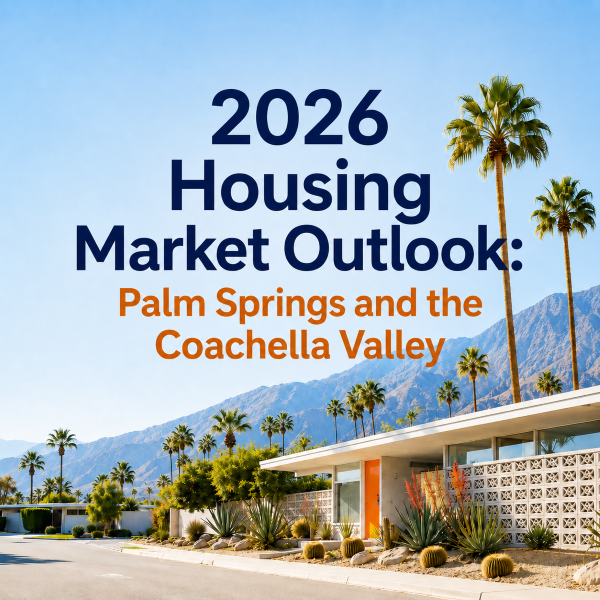
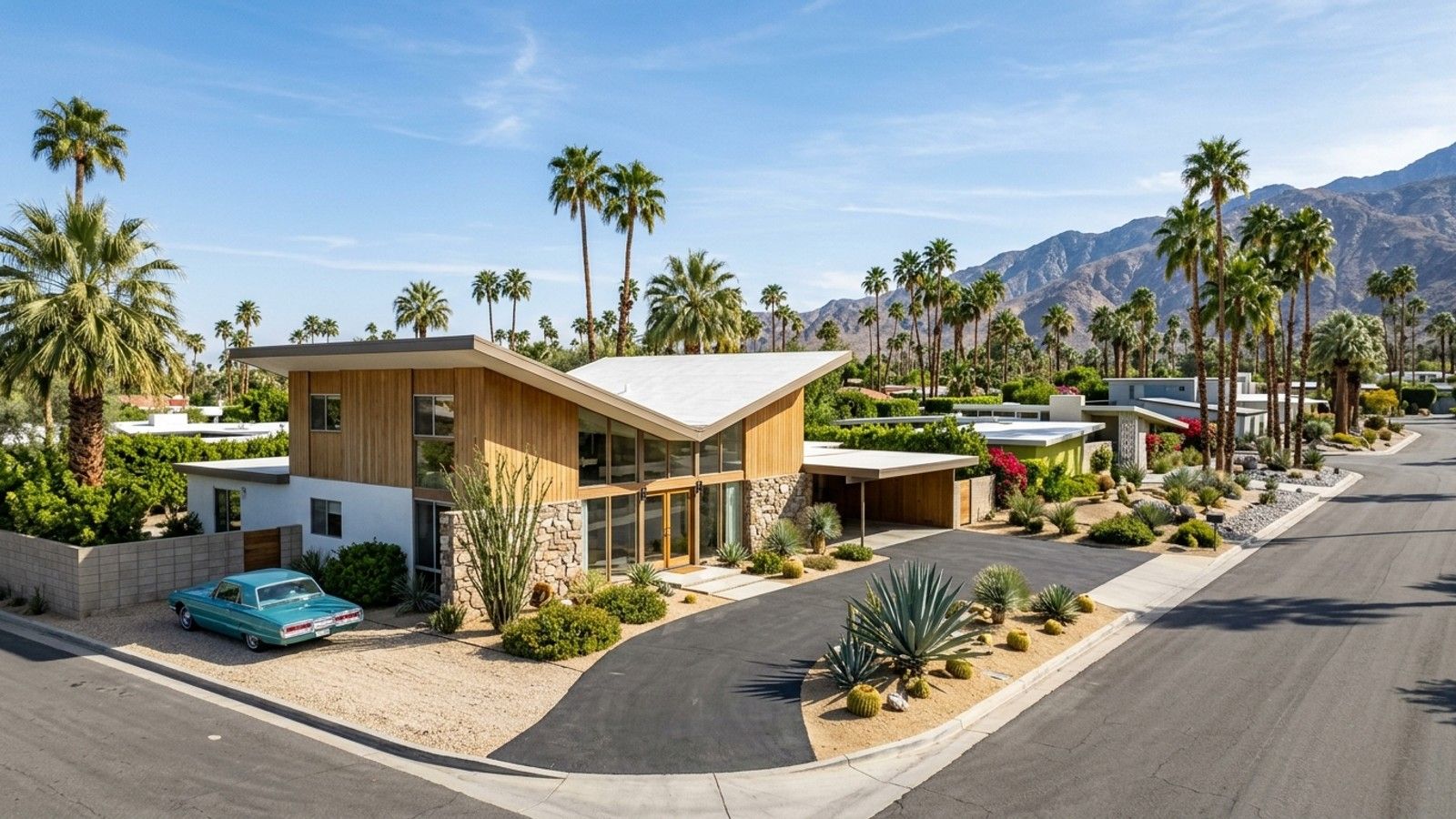
The mid-century modern architecture concentrated in these areas is the main draw for a lot of people. Scattered through town, you'll also find the Forever Marilyn statue and the Palm Springs Aerial Tramway, which features the world's largest rotating tramcars ascending Mount San Jacinto.
Museums Preserving the Past
The Palm Springs Historical Society operates a museum housed in two of the city's oldest surviving buildings: the 1884 McCallum Adobe, the oldest building in town, and the 1893 Cornelia White House. Both display artifacts and photographic archives that document how the city grew.
The Agua Caliente Cultural Museum in downtown Palm Springs runs alongside that, with exhibits focused entirely on Cahuilla heritage and history.
Cultural Identity and Famous Residents
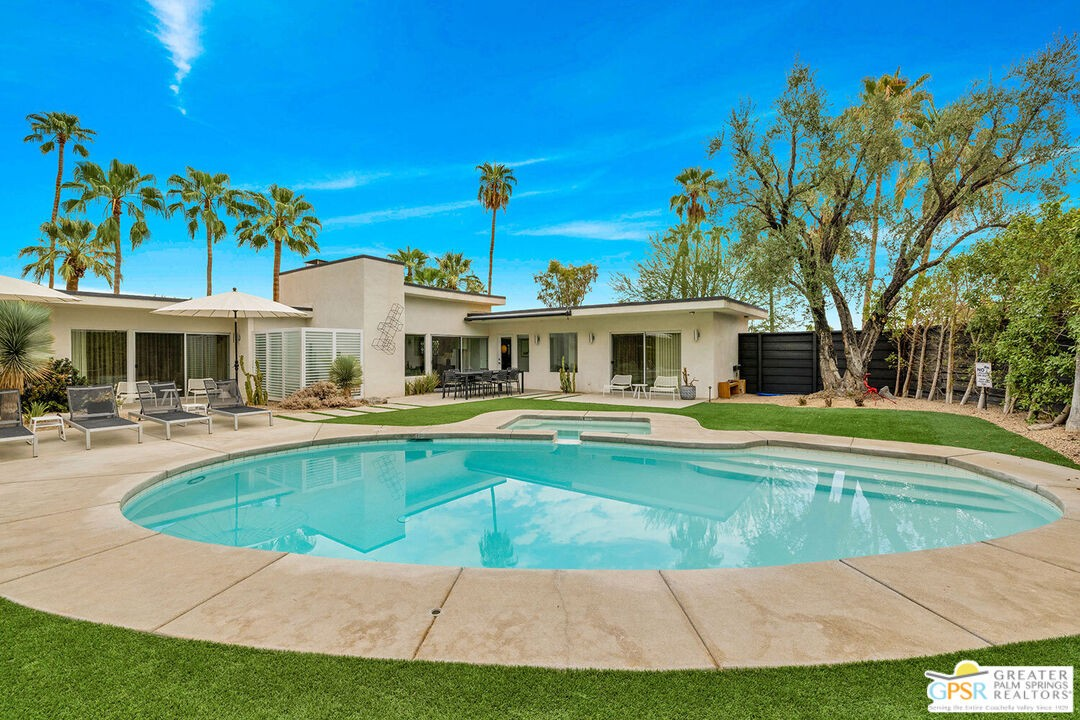
The local economy leans heavily on tourism, built around the city's reputation as a "Mecca of modernism" and its concentration of golf resorts. The architectural style from the 1950s and 1960s is a genuine selling point - not a marketing phrase, but something buyers actually pay attention to when they're making offers.
The city's other identity is the Hollywood getaway. Frank Sinatra's Twin Palms estate had a piano-shaped pool. Bob Hope, Liberace, Elvis Presley, Marilyn Monroe, and Lucille Ball were all regulars. Sonny Bono, the entertainer, served as mayor of Palm Springs from 1988 to 1992. That particular overlap of celebrity culture and local politics is pretty specific to this place.
Frequently Asked Questions
How does the history of Agua Caliente tribal land leases impact buying a home in Palm Springs today?
It depends on where the property sits. The Agua Caliente Band of Cahuilla Indians have inhabited the area for over 5,000 years, and some modern properties are on tribal lease land. Verify the land ownership status with your agent before you get too far into the process.
Can I get a property tax reduction through the Mills Act when buying a historic home in Palm Springs?
Yes, in some cases. Buyers purchasing homes in historic neighborhoods like Old Las Palmas or the Movie Colony may qualify for property tax reductions if the home carries a historical designation. Confirm eligibility for any specific property with local tax authorities.
What are the local restrictions for altering the exterior of a home located in a Palm Springs historic district?
It depends on the neighborhood's specific designation. Areas like the Historic Tennis Club district and Twin Palms often have rules in place to preserve their mid-century modern architecture. If you want to change anything on the exterior, you'll need to submit plans to the city for approval.
Which historic Palm Springs neighborhoods are best for finding original Mid-Century Modern architecture?
Racquet Club Estates, Twin Palms, and Deepwell Estates are the places to look. These neighborhoods are directly tied to the architectural legacy behind the city's reputation as a Mecca of modernism.
How long does the city's architectural review process take when renovating a historically designated home in Palm Springs?
It varies by scope. Neighborhoods like the Movie Colony and Old Las Palmas have strong ties to Hollywood history and specific architectural standards, so reviews can run several weeks or several months. Build that time into your renovation planning before you close.
Do officially designated historic properties in Palm Springs generally sell for a premium compared to newer builds?
Yes, they often do. The median sale price in Palm Springs is around $656,000, and homes in recognized historic districts like Old Las Palmas frequently command higher prices because of their architectural significance. Buyers are paying for preserved mid-century modern design and the Hollywood history that comes with it.