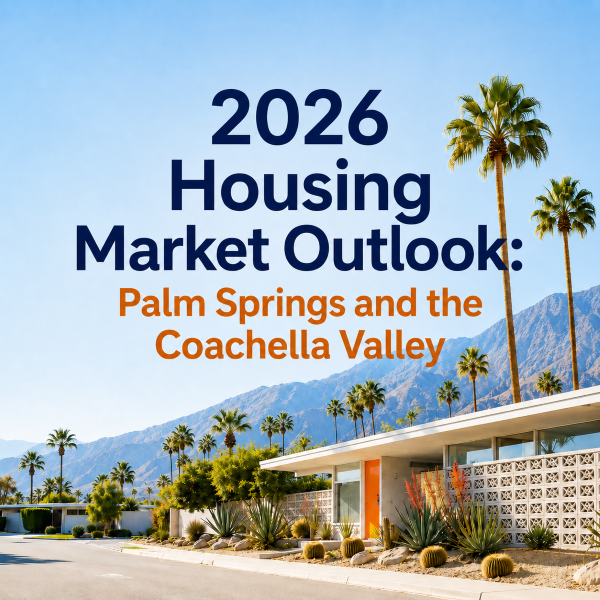
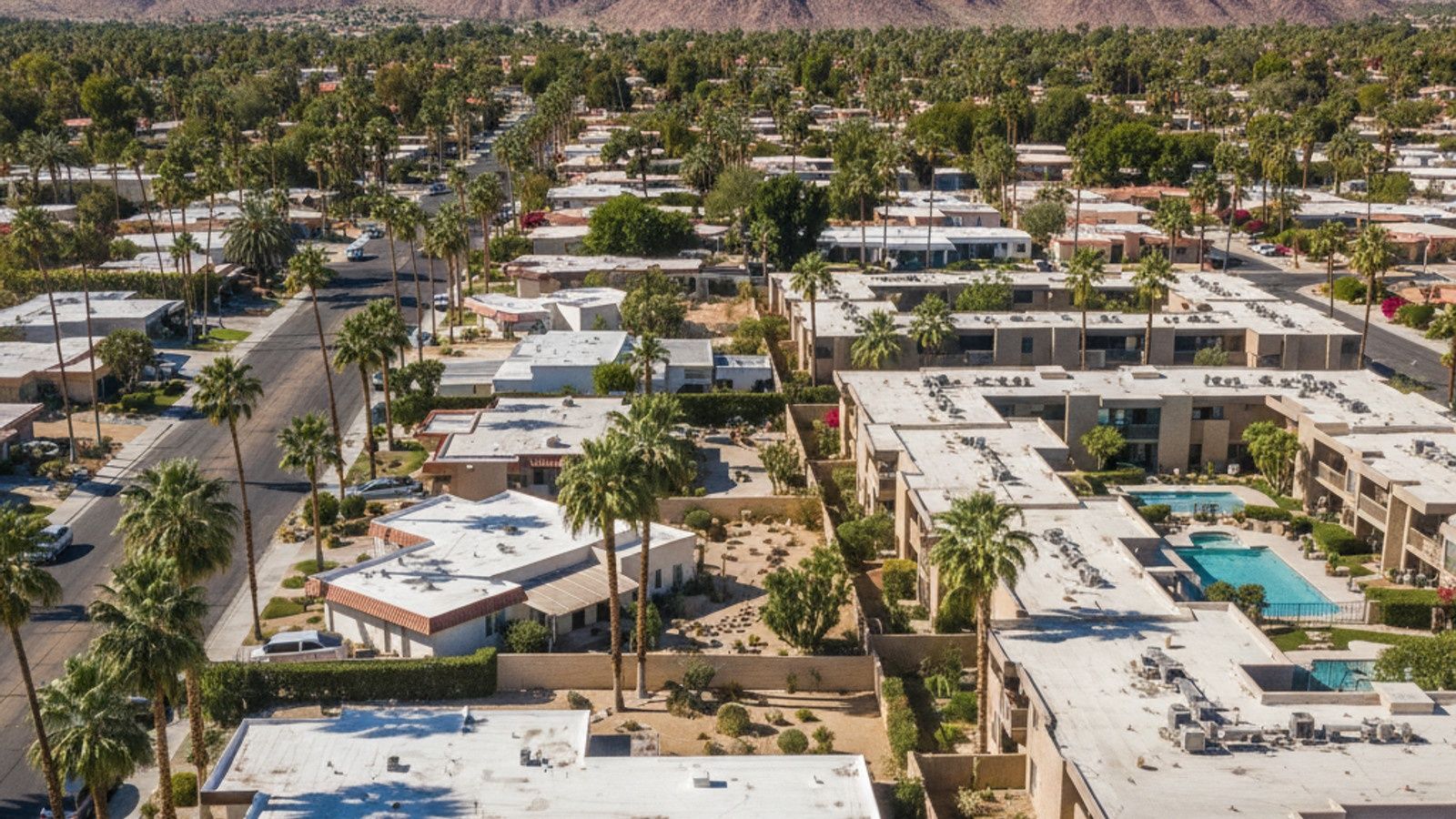
Welcome to the 2026 Palm Springs real estate market, where striking desert architecture meets modern lifestyle demands. Buyers entering the Coachella Valley this year will find a market that has found its footing after periods of rapid fluctuation. Navigating this landscape requires a clear understanding of current property values and the hidden costs of desert ownership.
Purchasing a property here involves more than just looking at the sticker price on a listing. From Riverside County tax assessments to seasonal utility spikes, the true expense of ownership varies widely by neighborhood and property type. Having accurate, up-to-date data is the best way to budget effectively for a desert purchase.
Whether you are looking for a seasonal residence or a full-time home, the local market offers distinct opportunities. Assessing the true cost of living in the desert helps prevent unexpected financial surprises after closing. The key to a successful transaction is pairing current pricing data with a realistic view of ongoing maintenance expenses.
What is the Average Cost of a Home in Palm Springs, CA?
As of mid-2026, the median sale price for a home in the city generally hovers between $610,000 and $682,536. This median figure provides a solid baseline for buyers looking at standard properties across various zip codes. However, the overall average cost of a home in Palm Springs, CA sits higher, at approximately $722,000.
This gap between the median and average prices exists because high-end luxury sales pull the average upward. Buyers can expect the average price per square foot across the city to rest near $429. Prices have stabilized significantly compared to last year, offering a much more predictable environment for planning a purchase.
This stabilization is a major win for active house hunters. It means buyers no longer need to rush into bidding wars out of fear of overnight price jumps. You can take the time to evaluate a home thoroughly before making an offer.
Tracking the average price per square foot helps buyers compare values across different neighborhoods. At approximately $429 per square foot, buyers can easily estimate the cost of larger properties versus compact condos. This metric remains one of the most reliable ways to gauge whether a specific listing is priced appropriately.
Cost Breakdown by Property Type
The Palm Springs housing inventory features a diverse mix of architectural styles and property formats. Your final purchase price will depend heavily on whether you are buying a low-maintenance attached unit or a historic detached estate. Understanding these distinct categories helps set realistic budget expectations.
Each property type carries its own pricing tier and associated carrying costs. Choosing the right property format is the single biggest factor in controlling your long-term monthly expenses. Evaluating these categories requires looking beyond the initial purchase price.
A lower-priced condo might seem like the most economical choice until you factor in monthly community fees. Conversely, a detached home requires a larger down payment but grants you total control over exterior maintenance costs. Here is a breakdown of what buyers can expect across three primary property categories:
- Condominiums: Attached homes and golf-course condos provide a lower entry point, often pricing below the city median, but buyers must account for monthly association fees.
- Single-Family Homes: Standard detached properties in established neighborhoods form the bulk of the market, typically aligning closely with the $610,000 to $682,536 median range.
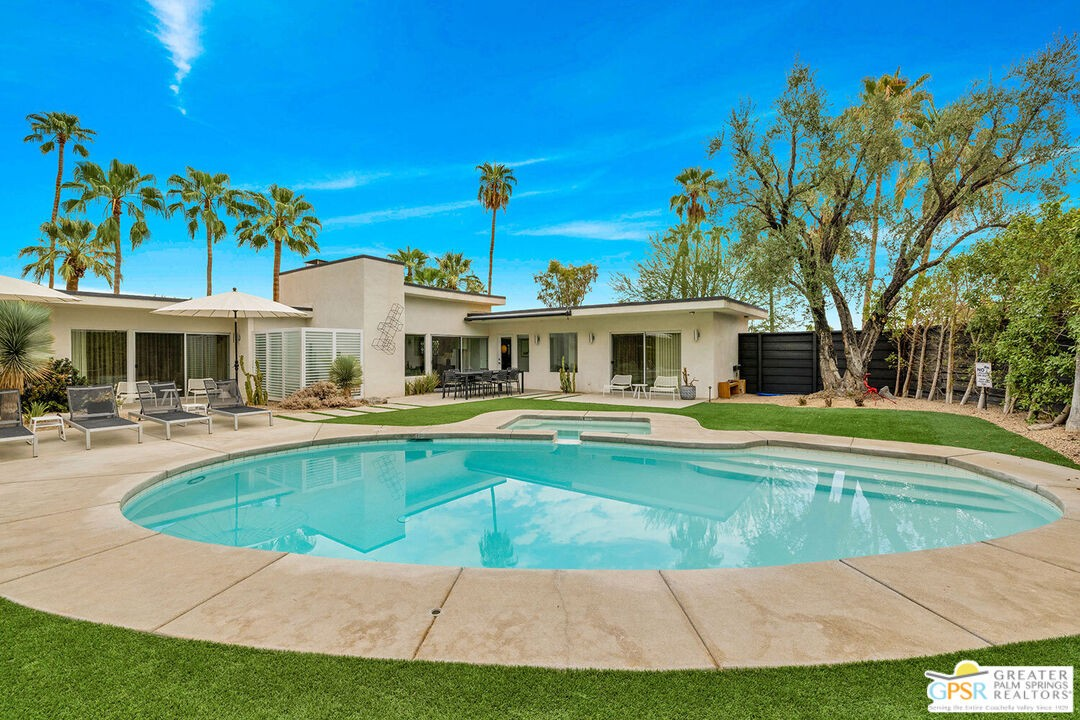
- Mid-Century Modern Estates: Historic architectural properties carry a steep premium, with renovated homes frequently exceeding $850,000 and pushing well into the luxury tier.
Factoring in Property Taxes and HOA Fees
Beyond the purchase price, buyers must account for ongoing carrying costs tied to local governance and community management. Riverside County reassesses property taxes based on the final purchase price at the time of closing. Fortunately, annual increases to that assessed value are capped under California Proposition 13.
The typical effective property tax rate in Palm Springs is approximately 1.25 percent. This rate generally includes local bond assessments, such as those for the Desert Water Agency. Buyers should verify the exact tax rate for their specific parcel, as special assessments can vary by neighborhood.
Homeowners associations add another layer to the monthly budget, with dues structured around the amenities provided. Entry-level communities typically charge between $300 and $500 per month. Mid-tier neighborhoods range from $500 to $800, while luxury gated communities often command $800 to $1,500 or more.
These dues are not just administrative overhead. They typically cover essential desert maintenance, including heated community pools, specialized landscaping, and exterior building upkeep. Factoring these fees into your initial calculations is crucial for long-term affordability.
Understanding the relationship between your purchase price and these ongoing costs is essential. A home with a lower asking price but a high HOA fee can quickly become more expensive than a pricier home with no association dues. Running these numbers with your lender early in the process ensures your monthly budget remains comfortable.
Utility Expenses in a Desert Climate
The climate in the Coachella Valley directly impacts the monthly cost of maintaining a home. Summer temperatures routinely exceed 100 degrees, creating high electricity demands for air conditioning from June through September. Buyers should expect utility bills to spike significantly during these peak cooling months.
Winter brings a different set of expenses for homeowners with private amenities. Natural gas costs become a factor when heating private or community pools during the cooler months. Keeping a pool at a comfortable temperature can easily add hundreds of dollars to a monthly gas bill.
Water usage is another essential utility consideration in this arid environment. Maintaining proper desert landscaping, green spaces, and irrigation systems requires consistent water consumption. Investing in drought-tolerant landscaping can effectively mitigate these specific utility costs over time.
Solar power has become an increasingly popular solution for managing these energy demands. Many homes in the area now feature leased or owned solar panels to offset the heavy summer air conditioning loads. Buyers should always verify whether a solar system is fully paid off or if lease payments will transfer at closing.
2026 Palm Springs Real Estate Market Trends
The current market dynamics offer a distinct shift from the frantic pacing seen in previous years. Recent increases in housing inventory have provided buyers with roughly 1.7 to 2 months of available supply. This expanded inventory translates to more choices and less pressure to waive standard contingencies.
The average days on the market has also returned to a normalized, unhurried pace of 68 to 70 days. Sellers are taking longer to secure buyers, which opens the door for standard negotiations regarding repairs and closing costs. Multiple-offer scenarios are far less frequent today than they were just a couple of years ago.
This balanced pace is a major advantage for buyers utilizing traditional financing. You have the time to conduct thorough inspections and finalize loan approvals without risking the loss of the property to an all-cash buyer. The 2026 landscape heavily favors a methodical, well-researched approach to purchasing.
This environment allows buyers to be highly selective about their purchases. You no longer have to compromise on your required features just to secure a property. Taking advantage of this normalized market means you can hold out for a home that truly fits your long-term goals.
Proximity to Infrastructure and Amenities
Local infrastructure plays a massive role in both property values and daily convenience throughout the Coachella Valley. Access to major transit routes, including Highway 111 and the I-10 corridor, seamlessly connects the city to the broader Southern California region. Properties situated near these main arteries often hold their value well due to the ease of commuting.
Frequent travelers and seasonal residents place a high premium on proximity to Palm Springs International Airport. Being just minutes from a major terminal makes the area highly accessible for those splitting their time between multiple cities. This convenience is a major driver for real estate demand in the immediate surrounding neighborhoods.
Access to comprehensive healthcare is another major pillar supporting local property values. Facilities like Desert Regional Medical Center provide essential services and specialized care right within the city limits. Having robust medical infrastructure nearby offers long-term peace of mind for property owners.
Proximity to commercial hubs also dictates localized property values. Homes situated within walking distance of downtown shopping and dining districts consistently command higher prices per square foot. Buyers must weigh the premium of walkability against the savings found in more residential, car-dependent neighborhoods.
Frequently Asked Questions
How much is the average house in Palm Springs?
The average house in the city costs approximately $722,000 as of mid-2026. However, the median price sits slightly lower at roughly $610,000 to $682,536, meaning half of all homes sell below this range. High-end luxury properties and historic estates consistently pull the overall average higher.
What's nicer, Palm Springs or Palm Desert?
Neither city is objectively nicer, as they offer completely different architectural styles and civic layouts. Palm Springs features historic mid-century modern architecture and a bustling downtown entertainment district. In contrast, Palm Desert offers extensive master-planned communities, larger retail centers, and a wider concentration of golf courses.
What is the 3-3-3 rule in real estate?
The 3-3-3 rule is a general guideline suggesting buyers should have three months of mortgage payments saved, keep housing costs under 33 percent of their gross income, and plan to stay in the home for at least three years. In a market where the median price is around $682,536, having those three months of reserves is critical. This strategy helps protect buyers against unexpected maintenance or seasonal utility spikes.
Selling Your Home?
Get your home's value - our custom reports include accurate and up to date information.